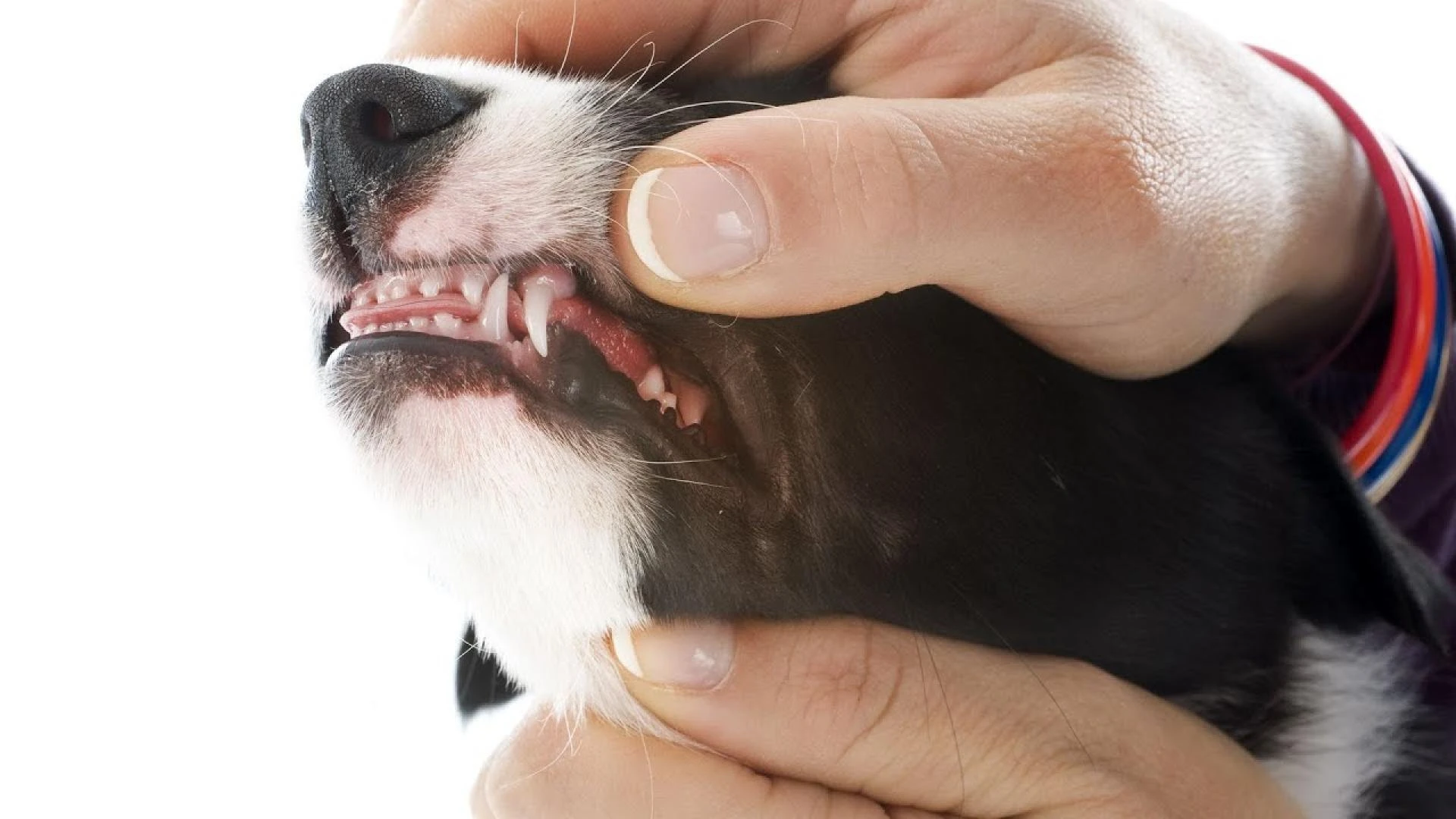

Puppy teething is a normal part of growing up, but it can be tough, for both you and your pup. Just like human babies, puppies get sore gums, chew everything in sight, and need a little extra care during this stage.
In this guide, you’ll learn what puppy teething is, when it happens, what to expect, and how to help your puppy feel better.
What Is Puppy Teething?
Puppy teething is the process where your puppy’s baby teeth fall out and adult teeth grow in. This happens in stages and can last for several months.
During this time, your puppy may chew more than usual and feel pain or discomfort in their gums. It’s a normal part of puppy development, and it doesn’t last forever.
When Do Puppies Start Teething?
Puppies usually start teething around 3 weeks old, but most owners notice it at 3 to 4 months, when the baby teeth begin to fall out.
Here’s a simple timeline:
- 3 to 4 weeks – Baby teeth (milk teeth) begin to appear
- 3 to 4 months – Baby teeth fall out; teething begins
- 6 to 8 months – Adult teeth finish coming in
By 8 months, your puppy should have all 42 adult teeth.
Signs Your Puppy Is Teething
Not sure if your puppy is teething? Look for these common signs:
Common Symptoms:
- Chewing on everything
- Drooling more than usual
- Swollen or red gums
- Whining or fussiness
- Loss of appetite
- Baby teeth found on the floor or toys
These are normal signs, but if your puppy seems in pain or refuses to eat, call your vet.
Why Do Puppies Chew So Much?
Chewing helps puppies deal with sore gums. It’s their way of easing the pressure from teeth coming in.
But they don’t know what’s okay to chew and what’s not. That’s why you might find teeth marks on your shoes, furniture, or even your fingers!
How to Help Your Teething Puppy
The good news? You can help make teething easier with a few simple tips.
1. Offer Safe Chew Toys
Give your puppy soft rubber toys made for teething. You can even freeze them to soothe sore gums.
2. Try Frozen Treats
Freeze carrots or ice cubes made with broth. Cold items help numb their gums and reduce pain.
3. Puppy-Proof Your Home
Keep shoes, cords, and anything sharp out of reach. Puppies will chew whatever they can find.
4. Redirect Bad Chewing
If your puppy chews the wrong thing, gently take it away and give a chew toy instead. Be patient and consistent.
5. Keep Gums Clean
Use a soft, puppy-safe toothbrush or wipe. This helps keep their mouth healthy during teething.
What Not to Do
Puppy teething can test your patience, but avoid these mistakes:
- Don’t yell or hit your puppy for chewing.
- Don’t give hard bones or cooked bones. These can break teeth.
- Don’t ignore signs of pain or swelling that won’t go away, check with your vet.
When to See a Vet
Most puppies handle teething well, but sometimes problems happen. Contact your vet if you notice:
- Bleeding gums that won’t stop
- Very bad breath
- Teeth not falling out by 7 months
- Trouble eating or drinking
Your vet may need to remove baby teeth that don’t fall out on their own.
Final Tips from Focus Pet Care
Puppy teething is a short but important part of your dog’s early life. With the right tools and care, you can make it easier for both of you.
At Focus Pet Care, we know how much your puppy means to you. That’s why we’re here to help you through every stage of their life, from teething to training and beyond.
With patience, love, and a few frozen chew toys, you’ll get through the teething phase, and come out stronger together.




























Sign in to leave a comment.