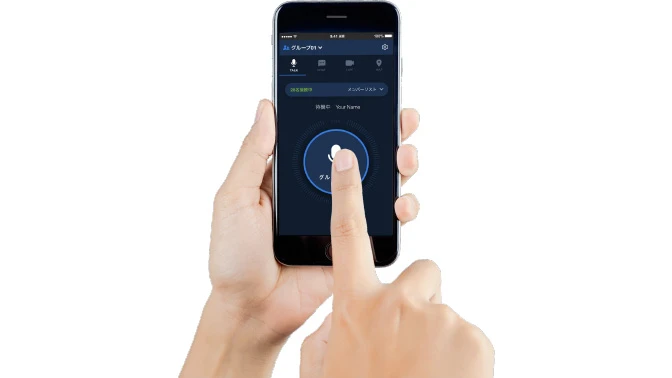

In the ever-evolving landscape of communication technology, Push-to-Talk (PTT) apps have emerged as powerful tools that facilitate instant and efficient communication. Originally popularized by two-way radios, PTT functionality has seamlessly transitioned into the digital realm, offering users a myriad of features and capabilities. This article delves into the latest trends in Push-to-Talk apps, exploring how these applications are pushing boundaries to redefine the way we communicate.
Cross-Platform Integration:
One of the notable trends in the realm of PTT apps is the emphasis on cross-platform integration. Modern PTT solutions are designed to work seamlessly across various devices and operating systems, enabling users to communicate effortlessly regardless of their hardware or software preferences. This inclusivity ensures that teams with diverse technological ecosystems can collaborate without barriers.
Enhanced Multimedia Support:
Traditionally, PTT apps were limited to voice messages, mimicking the functionality of walkie-talkies. However, contemporary PTT apps are expanding their horizons by incorporating enhanced multimedia support. Users can now share images, videos, and documents in real-time, making communication more comprehensive and efficient. This trend reflects the growing demand for richer forms of interaction in professional and personal settings.
Geolocation and Mapping Integration:
Geolocation features are becoming integral to PTT apps, especially in industries where real-time location tracking is crucial. Incorporating mapping technology allows users to share their location or track the whereabouts of team members, enhancing coordination, and improving response times. This trend is particularly beneficial in fields such as logistics, emergency services, and construction.
Artificial Intelligence and Automation:
The integration of artificial intelligence (AI) and automation is reshaping the landscape of PTT apps. AI-powered features can transcribe voice messages into text, enabling users to quickly review and respond to messages without listening to audio recordings. Additionally, automation tools can streamline workflows, making communication more efficient and reducing manual intervention.
Security and Encryption:
As the importance of secure communication grows, PTT apps are prioritizing robust security measures. End-to-end encryption is becoming a standard feature, ensuring that sensitive information remains confidential. This trend is particularly vital in industries such as healthcare, finance, and government, where data security is paramount.
Cloud-Based Infrastructure:
The shift towards cloud-based infrastructure is transforming the scalability and accessibility of PTT apps. Cloud solutions enable users to access their communication channels from anywhere, promoting flexibility and mobility. This trend is particularly advantageous for businesses with remote or distributed teams, fostering seamless communication across geographical boundaries.
Integration with IoT Devices:
The Internet of Things (IoT) is influencing PTT app development by fostering integration with various devices. Wearables, smartwatches, and other IoT devices can now act as extensions of PTT apps, providing users with more options for communication. This trend is especially relevant in industries where hands-free communication is essential.
Conclusion:
Push-to-Talk apps have come a long way from their walkie-talkie roots, evolving into sophisticated communication tools with diverse functionalities. The latest trends in PTT apps reflect a commitment to enhancing user experience, promoting collaboration, and addressing the dynamic needs of modern communication. As technology continues to advance, we can expect Push-to-Talk apps to remain at the forefront of innovation, pushing boundaries and redefining the way we connect and communicate.































Sign in to leave a comment.