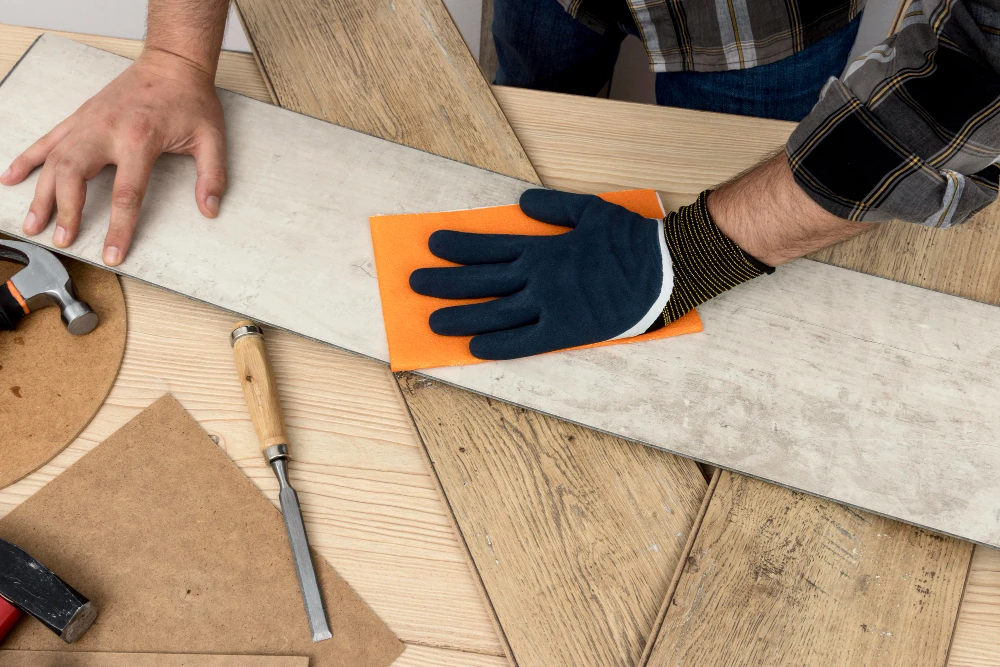

Hiring a flooring installer is a major decision that impacts your home’s appearance, comfort, and long-term value. Whether you’re upgrading a single room or replacing floors throughout your home, the quality of installation matters just as much as the material you choose.
Unfortunately, many homeowners focus only on price and end up dealing with uneven floors, gaps, moisture issues, or premature wear. Asking the right questions before you hire a flooring professional can help you avoid costly mistakes and ensure your investment lasts for years.
Below are the most important questions every homeowner should ask before choosing a flooring installer.
1. Are You Licensed and Insured?
This should always be your first question. A legitimate flooring installer should be properly licensed according to local and state requirements and carry both liability insurance and workers’ compensation coverage.
Licensing helps confirm that the installer meets minimum professional standards, while insurance protects you from liability if an accident occurs on your property. If a contractor hesitates to provide proof, that’s a red flag.
2. What Experience Do You Have With My Specific Flooring Type?
Not all flooring materials are installed the same way. Hardwood, luxury vinyl plank, tile, laminate, and carpet each require different tools, preparation methods, and expertise.
Ask how long they’ve been installing your chosen flooring and request examples of similar projects. An experienced installer understands subfloor preparation, moisture control, and expansion requirements that can make or break a flooring job.
3. Can You Provide References or Recent Work Examples?
Reputable installers should have no problem sharing references, photos, or case studies from recent projects. Take the time to review their work and, if possible, speak with past clients.
Ask references about punctuality, cleanliness, communication, and whether the project was completed on time and on budget. Consistent positive feedback is a strong indicator of reliability.
4. Who Will Actually Be Doing the Installation?
Some companies sell the job but subcontract the installation to third parties. This isn’t always a problem, but you should know exactly who will be working in your home.
Ask whether the installers are employees or subcontractors, how they’re vetted, and who will supervise the project. Clear accountability helps prevent miscommunication and quality issues.
5. What Is Included in the Estimate?
A professional estimate should be detailed and transparent. Ask whether the quote includes:
- Removal and disposal of old flooring
- Subfloor inspection and preparation
- Materials, labor, and adhesives
- Furniture moving or baseboard removal
- Cleanup after installation
Understanding what’s included helps you compare quotes accurately and avoid surprise charges later.
6. How Do You Handle Subfloor and Moisture Issues?
Subfloor problems and moisture are among the most common causes of flooring failure. A qualified installer should inspect the subfloor and address issues before installation begins.
Ask how they test for moisture, what repairs might be necessary, and how those costs are handled. A knowledgeable flooring contractor in Denver will be especially mindful of temperature changes and humidity levels that can affect flooring performance.
7. What Is the Installation Timeline?
Knowing how long the project will take helps you plan accordingly. Ask when the work will start, how many days it will take, and whether the timeline could change due to material availability or unforeseen issues.
Also ask whether you’ll be able to walk on the floors immediately or if curing time is required. Clear expectations reduce stress and disruption.
8. Do You Offer a Workmanship Warranty?
Materials often come with manufacturer warranties, but workmanship warranties cover the quality of installation itself. Ask what kind of warranty is offered, how long it lasts, and what it covers.
A contractor who stands behind their work is more likely to deliver careful, professional results.
9. How Do You Handle Unexpected Problems?
Even with careful planning, unexpected issues can arise once old flooring is removed. Ask how the installer communicates changes, approves additional work, and documents any cost adjustments.
Clear communication during surprises is a sign of professionalism and respect for your budget.
10. What Maintenance Advice Do You Provide After Installation?
A good installer doesn’t disappear once the job is finished. Ask what maintenance tips they provide for your specific flooring type, including cleaning recommendations, protective measures, and long-term care.
Proper maintenance can significantly extend the life of your floors and preserve their appearance.
11. How Do You Ensure a Clean and Safe Worksite?
Flooring projects can create dust, noise, and disruption. Ask how the installer protects surrounding areas, manages debris, and cleans up daily.
Professional installers take steps to minimize inconvenience and leave your home in good condition once the project is complete.
12. Why Should I Choose You Over Other Installers?
This question gives contractors the opportunity to explain their approach, values, and strengths. Listen for answers that focus on quality, communication, experience, and customer satisfaction rather than just price.
Choosing the right flooring contractor in Denver isn’t about finding the cheapest option—it’s about finding a professional who delivers lasting results and peace of mind.
Final Thoughts
Hiring a flooring installer is an investment in your home’s comfort, durability, and value. By asking these questions upfront, you can confidently choose a professional who understands your needs, communicates clearly, and delivers high-quality workmanship.
Taking the time to vet your installer properly can mean the difference between floors that look great for decades and a project that leads to frustration and repairs. When you choose wisely, your new floors become a lasting upgrade you can truly enjoy.

























Sign in to leave a comment.