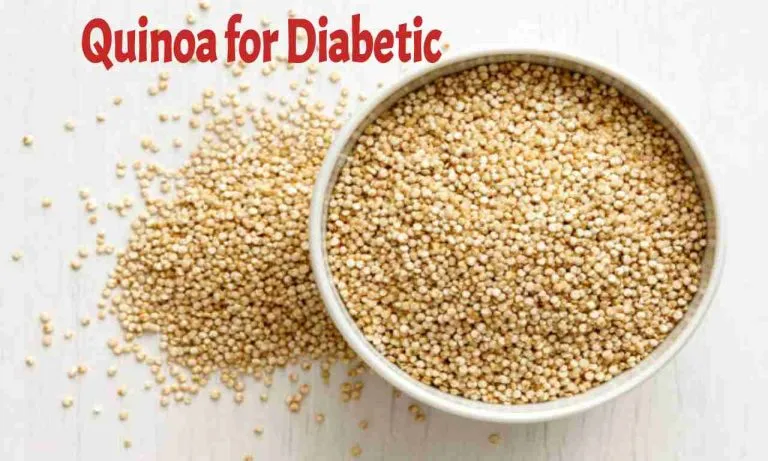

In recent times, diabetes has become one of the most common lifestyle-related diseases worldwide. In this condition, the body is unable to properly utilize the glucose present in the blood, leading to elevated blood sugar levels. If blood sugar remains uncontrolled for a prolonged period, it can give rise to serious complications affecting the heart, kidneys, eyes, and nerves. Therefore, making the right dietary choices is considered crucial for diabetes patients.
In this context, quinoa is a nutritious food that has garnered significant attention from health experts and nutritionists in recent years. It is not a traditional grain but a seed that is consumed like a grain due to its nutritional properties. It is rich in high-quality protein, fiber, complex carbohydrates, vitamins, minerals, and potent antioxidants.
A major benefit of quinoa for people with diabetes is its relatively low glycemic index. This means that consuming it does not cause a rapid spike in blood sugar levels; instead, the rise is gradual. For this reason, including quinoa in balanced quantities in the diet of diabetic patients is considered beneficial.
In this article, we will explore in detail why quinoa is beneficial for diabetes, the nutrients it contains, the correct way to consume it, and the precautions to be observed.
What is Quinoa?
Quinoa is a nutritious seed that has been cultivated for thousands of years in the Andes mountain region of South America. Its scientific name is *Chenopodium quinoa*. It is often referred to as a "superfood" because it contains almost all the key nutrients essential for the body.
Quinoa is available in three main colors:
White quinoa
Red quinoa
Black quinoa
All three varieties are considered nutritionally excellent, although there may be slight differences in taste and texture.
Why is quinoa considered beneficial for diabetes? Diabetic patients should choose foods that provide energy gradually and do not cause sudden spikes in blood sugar.
Quinoa is considered particularly beneficial for this reason.
Its key attributes include:
Low glycemic index
High fiber content
High-quality protein
Complex carbohydrates
Essential minerals
Presence of antioxidants
Due to these qualities, quinoa can be a valuable part of a diet aimed at controlling blood sugar.
Key benefits of quinoa for diabetes
1. Helps control blood sugar
A major benefit of quinoa is that the complex carbohydrates it contains are digested slowly. This prevents a sudden rise in blood sugar after meals. Regular consumption in balanced amounts can help maintain more stable blood sugar levels.
2. Rich in fiber
Quinoa contains a significant amount of dietary fiber. Fiber slows down the rate of digestion, allowing glucose to enter the bloodstream gradually. This can reduce the likelihood of blood sugar spikes.
Additionally, fiber helps alleviate constipation and supports better gut health.





















Sign in to leave a comment.