
If you’re a rabbit owner, you know how important it is to provide a safe, comfortable, and spacious environment for your furry friend. A well-built rabbit enclosure is essential to ensure they have the freedom to hop around while also keeping them protected from potential dangers. In this guide, we will discuss the importance of a rabbit enclosure, the materials to consider, and why chicken wire mesh can be a fantastic option for your pet’s home.
Why a Rabbit Enclosure is Essential ?
Rabbits are social and curious creatures that thrive in environments where they feel secure and stimulated. Without proper housing, they can become stressed, anxious, or even harm themselves. A rabbit enclosure offers them a designated space to move around safely, sleep, and engage in natural behaviors like digging and chewing. An ideal enclosure should provide sufficient space for the rabbit to exercise and explore, which is critical to their physical and mental well-being.
The enclosure should be large enough to allow your rabbit to hop freely, stretch out, and engage in playful activities. You should also consider areas for feeding, resting, and littering. Ensuring that your rabbit’s enclosure is well-ventilated and protected from extreme weather conditions will further enhance their living experience.
Why Chicken Wire Mesh is Ideal for Rabbit Enclosures ?
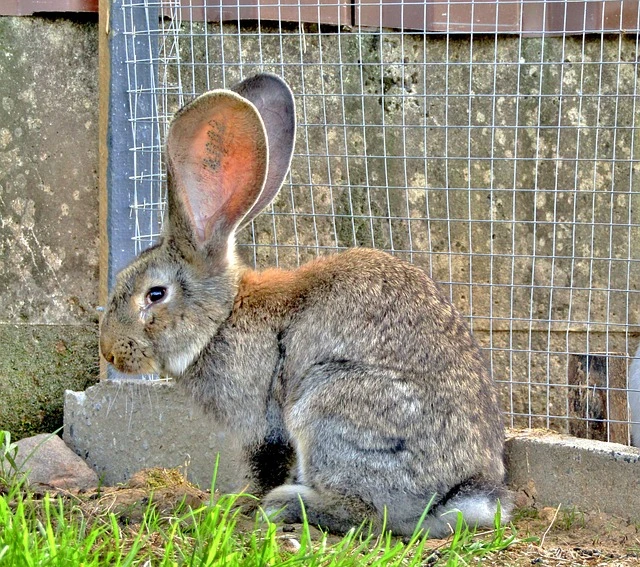
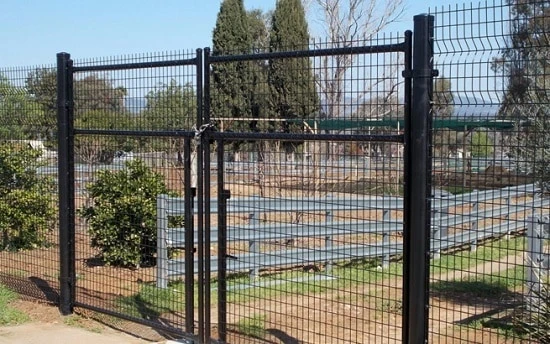
One of the most important components of a rabbit enclosure is the fencing material. While there are many options available, chicken wire mesh is a popular choice for many reasons. It’s affordable, easy to work with, and provides a strong barrier against predators while allowing plenty of airflow for your rabbit.
Chicken wire mesh is sturdy enough to keep your rabbit safely inside while keeping other animals out. Whether you’re building an outdoor rabbit enclosure or creating a space inside your home, chicken wire mesh can be adapted to various setups. The mesh is flexible, making it simple to cut and shape to suit your design, and it’s durable enough to withstand wear and tear.
When choosing chicken wire mesh, ensure the holes are small enough to prevent your rabbit from squeezing through. Opt for a gauge that is thick enough to provide security without being overly heavy. Additionally, ensure the edges of the mesh are properly secured to avoid any sharp areas that could harm your pet.
Designing a Safe and Comfortable Rabbit Enclosure.
Designing a rabbit enclosure is about balancing space, safety, and comfort. Here are some tips for creating the perfect home for your bunny:
- Size: Make sure the enclosure is spacious enough for your rabbit to hop around, stretch, and move freely. A good rule of thumb is to have at least 4-6 times the size of your rabbit’s body as the minimum space.
- Shelter: Include a shelter area for your rabbit to retreat to when they need rest or privacy. This could be a wooden box or a small hutch.
- Safety: Use chicken wire mesh to enclose the area and prevent predators like foxes or dogs from getting inside. Be sure to bury the mesh at least a few inches into the ground to stop your rabbit from digging out.
- Food and Water: Ensure you have an area to place your rabbit's food and water bowls. This area should be accessible yet secure to prevent tipping over.
- Exercise and Enrichment: Add tunnels, ramps, and safe chew toys to keep your rabbit mentally stimulated and physically active. Rabbits enjoy climbing and exploring their environment, so provide opportunities for them to engage with their surroundings.
- Litter Box: Having a designated spot for your rabbit’s litter box can help keep their space clean. Place it in a corner of the enclosure for convenience.
FAQ
Q1: How big should a rabbit enclosure be?
A: A rabbit enclosure should allow your pet to hop freely and stretch their legs. The minimum space should be 4-6 times the size of your rabbit’s body.
Q2: Can I use chicken wire mesh for my rabbit’s outdoor enclosure?
A: Yes, chicken wire mesh is ideal for outdoor enclosures. It provides security from predators and allows airflow. Just ensure the mesh holes are small enough to prevent escape.
Q3: How can I make my rabbit enclosure more comfortable?
A: Add soft bedding, a cozy shelter area, chew toys, and plenty of space to hop around. Keep the enclosure clean and dry for optimal comfort.
Q4: Is chicken wire mesh safe for rabbits?
A: Yes, chicken wire mesh is safe as long as it is securely fastened, with no sharp edges or large gaps. Ensure the gauge is sturdy enough to protect your rabbit from predators.
Testimonial
“We recently built a rabbit enclosure for our two bunnies using chicken wire mesh, and they absolutely love it! The space is perfect for them to hop around, and it’s very secure. I’m confident they’re safe from outdoor predators. The chicken wire was easy to install and provides great ventilation. I highly recommend this setup to any rabbit owner!” — Sarah, Rabbit Owner
Conclusion
A rabbit enclosure is more than just a cage—it’s a safe haven where your pet can thrive and express their natural behaviors. By using materials like chicken wire mesh, you can build a secure and comfortable home for your rabbit, whether indoors or outdoors. Don’t forget to provide plenty of space, shelter, and enrichment to keep your rabbit happy and healthy. With the right enclosure, you can ensure that your rabbit has a long, happy life in a safe and stimulating environment.
























Sign in to leave a comment.