

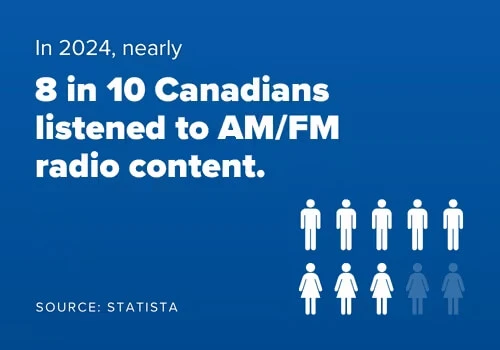
Radio advertising continues to hold a strong place in local markets because of the relationship listeners build with the stations they trust.
People tune in daily, form habits around their favourite shows, and rely on familiar voices for information and recommendations. This steady presence gives radio a level of credibility that many modern channels struggle to match.
For local businesses, this credibility translates into meaningful community connections.
Listeners feel close to the stations they support, which makes them more receptive to messages delivered through them. This connection is strengthened by on-air personalities who serve as trusted guides within the community. When a business runs a message through a station that already has established goodwill, the message benefits from that same trust.
The strength of radio also lies in its audience reach.
Radio stations attract broad and diverse listener groups throughout the day from commuters to at-home listeners to workplace audiences. This wide reach ensures that a business can connect with its specific target audience at predictable times during their daily routines. This consistency is a key factor behind radio advertising effectiveness, particularly for local businesses that need visibility within specific geographic areas.

It’s also why many small and mid-sized businesses continue to rely on radio advertising as a core piece of their outreach. It offers dependable exposure, a trusted communication channel, and a direct way to reach the people who live, shop, and work in their communities.
Comparing Radio Advertising and Influencer Marketing
Radio advertising and influencer marketing support similar goals, yet they function through different patterns of trust, reach, and message delivery.
Each channel connects with people in its own way, which affects cost, consistency, and long-term value. Radio provides steady exposure shaped by daily routines. Influencer content depends on shifting platform behaviour and ongoing audience engagement.
Targeting and Audience Reach
Targeting determines how effectively each method connects with its intended listeners.
Radio advertising reaches people through established listening habits linked to stations, formats, and time blocks. Meanwhile, influencer marketing reaches people through interest-driven content, which is shaped by platform activity and algorithms.
These two approaches create different levels of audience reach, one dependable and one variable.
Targeting Accuracy
A defined target improves message relevance. Radio stations attract a clear target audience based on format, geography, and community familiarity.
Listening and Viewing Patterns
Daily habits influence how often messages are seen or heard. Radio listeners tune in during regular moments such as commutes, work hours, or evening routines, which gives messages repeated visibility.
Predictability of Reach
Predictability helps businesses plan and measure results. A radio campaign delivers steady reach through scheduled placements across the week, giving advertisers confidence in how often their message is heard.
The reliability of radio advertising effectiveness comes from structure, routine, and consistent exposure. Influencer marketing offers creative flexibility but carries uncertainty tied to platform behaviour.
For the best results, businesses should choose the channel that aligns best with their goals, customer patterns, and desired level of message control.
Comparing Radio Advertising and Influencer Marketing
Radio advertising and influencer marketing differ greatly in targeting, cost, trust, and message delivery.
Each channel shapes how people receive information, how consistently messages appear, and how quickly audiences respond. These differences matter for local businesses that rely on predictable performance and steady community presence.
Understanding these contrasts helps clarify when each method is the right fit.
Targeting and Audience Reach
Targeting influences how clearly a message reaches the intended listeners.
Radio advertising delivers steady audience reach through station formats, scheduled programming, and daily listening routines. Influencer marketing depends on interest-based consumption and changes tied to platform behaviour.
These differences affect reliability and exposure.

Targeting Accuracy
Targeting accuracy shapes message relevance and local impact. Radio stations build defined groups of listeners based on format and location, which makes it easier to reach a clear target audience.
Listening and Viewing Patterns
Audience habits affect message visibility and consistency. Radio listeners tune in during routine parts of their day, which gives repeated exposure across a radio campaign.
Predictability of Reach
Predictability helps businesses plan message frequency and timing. Radio creates stable radio advertising effectiveness through scheduled ad placements and consistent listener behaviour.
Each channel offers different strengths. Radio provides structure, routine, and steady visibility. Influencer marketing again offers flexible creative expression but varies in reach and predictability.
Being aware of these differences will help businesses choose the option that best matches their goals and their community’s behaviour.
The Broad Audience Reach and Targeting Power of Radio Campaigns
One of the areas where radio advertising clearly excels over other formats is the way it provides consistent access to listeners throughout their daily routines.
People tune in at home, during commutes, and while working, which gives each radio campaign multiple natural touchpoints. This steady presence helps businesses stay visible without relying on unpredictable digital algorithms.
It also supports strong message retention because listeners hear content in familiar environments.
Multi-Environment Reach
A radio campaign connects with people in settings where attention is steady and habits are established. At home, listeners tune in during morning routines and evening wind-down periods, which creates reliable exposure.
Local Relevance and Geographic Precision
Radio stations serve defined communities, which makes them ideal for location-based messaging. Geographic targeting ensures that ads reach people who live, work, and shop in the same area as the business.
Advanced Demographic Options
Modern radio platforms provide detailed demographic tools that refine audience selection. Stations categorize listeners by age, income, interests, and behaviour patterns.
Radio’s broad audience reach and precise targeting make it a strong option for local businesses seeking reliable visibility. By reaching people through regular routines and structured formats, radio creates a consistent presence that supports clear, measurable results.
The Role of Radio Personalities and On-Air Endorsements
Radio advertising also gains significant strength from the presence of local radio hosts who act as community voices.
Their daily connection with listeners gives each message a familiar tone that audiences recognize immediately. This steady presence creates a form of influence that is grounded in routine listening habits rather than social trends.
For local businesses, this connection supports clear communication and stronger message recall.
Radio Hosts as Influencers
Radio hosts guide conversations, share stories, and interact with listeners throughout the day. Their role mirrors the influence of online creators, but it is rooted in long-term listening habits rather than shifting algorithms.
Trust and Daily Familiarity
Listeners build trust through repeated exposure to the same voices every day. This familiarity makes listeners more receptive to messages delivered by those hosts.
Credibility and Message Impact
On-air endorsements carry weight because they come from a voice with established credibility. When a host introduces or speaks about a business, the message benefits from the trust already earned by the station.
Radio personalities strengthen local advertising efforts by adding trust, familiarity, and authenticity. Their connection with the community makes each endorsement more meaningful and supports better outcomes for businesses that rely on local relationships.
Driving Immediate Action Through Radio Advertising
Another major advantage for radio advertising is its ability to motivate listeners to act right away.
Messages are delivered in real time, which allows businesses to speak directly to people during moments when they are ready to make decisions. This immediate connection sets radio apart from channels that depend on slow engagement cycles or repeated exposure over long periods. For local businesses, this speed supports timely promotions and fast customer responses.
Direct-Response Power
Radio works well for direct-response messaging because listeners often act soon after hearing an offer. A clear call to visit a store, call a number, or redeem a deal creates a direct link between the ad and the action.
Calls to Action and Listener Motivation
A strong call to action helps guide listeners toward the next step without confusion. Radio hosts and scripted ads present these calls in a clear, steady tone that encourages listeners to respond.
Immediate Impact vs. Slow-Build Channels
Influencer content often requires repeated posts before followers act.
Radio messages create quicker responses because they appear during routine listening moments.
Urgency, Frequency, and Effectiveness
Urgency increases results when paired with repeated exposure at consistent times of day. Frequent placements help listeners remember details and act without delay.
Radio motivates action through clarity, steady messaging, and strong calls to action. These qualities make it an effective choice for businesses seeking immediate responses from a committed, reliable audience.
Evaluating Radio Advertising ROI and Measurement Methods
Another unmatched advantage that radio advertising offers is the clear way it measures performance, enabling businesses to understand the return on their investment.
The structure of radio delivery creates consistent data points that reflect real audience behaviour. Local businesses benefit from this clarity because each metric ties directly to listener action. These insights make radio a dependable option for evaluating impact and planning future campaigns.
Tracking and Response Methods
Reliable tracking tools help measure how listeners respond to a message.
Promo codes connect specific offers to a particular radio campaign, making it clear when radio drives conversions.
Reach, Frequency, and Audience Insights
Reach and frequency indicate how often people hear the message and the size of the target audience. Radio stations provide demographic data such as age, income, and listening habits, which support more refined evaluation.
Cost Comparisons and Value
Radio often delivers strong value when compared with influencer marketing. Influencer pricing changes based on follower count and engagement, which can make results unpredictable.
Measuring Performance and Effectiveness
Businesses assess radio advertising effectiveness by examining the link between message delivery and real outcomes. Metrics such as store visits, website traffic spikes, and sales lifts show how listeners respond.

Radio offers measurable ROI through structured metrics and clear listener actions. These methods help businesses make informed decisions and strengthen future advertising efforts.
How Radio Advertising Supports Online Engagement and Customer Response
One advantage influencer marketing might be considered to hold over radio advertising is in its ability to guide listeners online.
However, there’s more to that story than meets the eye.
Radio advertising can also be used effectively to nudge listeners toward digital platforms by directing them to websites, social accounts, and online offers.
Because the message and calls to action reach people during their natural routines, it’s capable of encouraging quick visits and searches. This steady movement from on-air message to online action helps businesses strengthen their digital presence with consistent traffic and higher engagement.
Radio also supports digital and influencer efforts by reinforcing messages that listeners may have already seen online.
A radio campaign can repeat core ideas, promote current offers, or highlight social content, which helps the audience recognize the brand across channels. This repetition builds familiarity and encourages people to interact with digital posts or explore additional information online.
By connecting on-air messaging with digital behaviour, radio creates full-funnel support that helps customers move from awareness to action. The combined effect increases radio advertising effectiveness, strengthens recognition, and builds multi-touch engagement across platforms.
Businesses benefit from this steady flow because it creates both immediate responses and long-term visibility.
Start Your Radio Campaign
Radio advertising offers a steady and reliable way for local businesses to reach people in their everyday routines. It supports clear messaging, trusted delivery, and strong audience response. When businesses choose radio, they gain a channel that aligns with real community behaviour and provides structure for consistent results.
If you’re ready to explore how radio advertising can support your growth, the next step is simple. Connect with a team that understands local audiences, scheduling strategy, and message clarity.
A well-planned campaign can help you reach the right listeners and create a meaningful impact within your community.
Frequently Asked Questions
1. How effective is radio advertising?
Radio advertising is effective because it reaches people during daily routines and uses trusted voices to deliver messages. It provides steady audience exposure and supports quick action through clear calls to action. Its structure and consistency help businesses build familiarity and generate measurable results.
2. How do you create a successful radio advertisement?
A successful radio ad uses a clear message, a simple structure, and a strong call to action. It focuses on one main idea so listeners can remember it easily. The ad is recorded with a steady tone and scheduled at times when the target audience is most likely to be listening.
3. How do you target a radio advertising audience?
Targeting uses station formats, time blocks, and demographic data such as age, income, and interests. Businesses choose stations that match their customer base and run ads at times when those listeners are most active. This approach helps reach a defined audience with consistent exposure.
4. Is radio advertising still relevant in the digital age?
Yes, radio advertising remains relevant because people continue to listen at home, in vehicles, and at work. Its trusted voices, predictable routines, and local focus make it a strong complement to digital efforts. It also avoids the volatility of digital algorithms, which supports steady results.
5. Can radio advertising be tracked for performance?
Yes, performance can be tracked through promo codes, dedicated landing pages, unique phone numbers, and monitoring changes in store visits or website traffic. These methods help businesses connect listener actions to the radio campaign and evaluate real radio advertising effectiveness.




























Sign in to leave a comment.