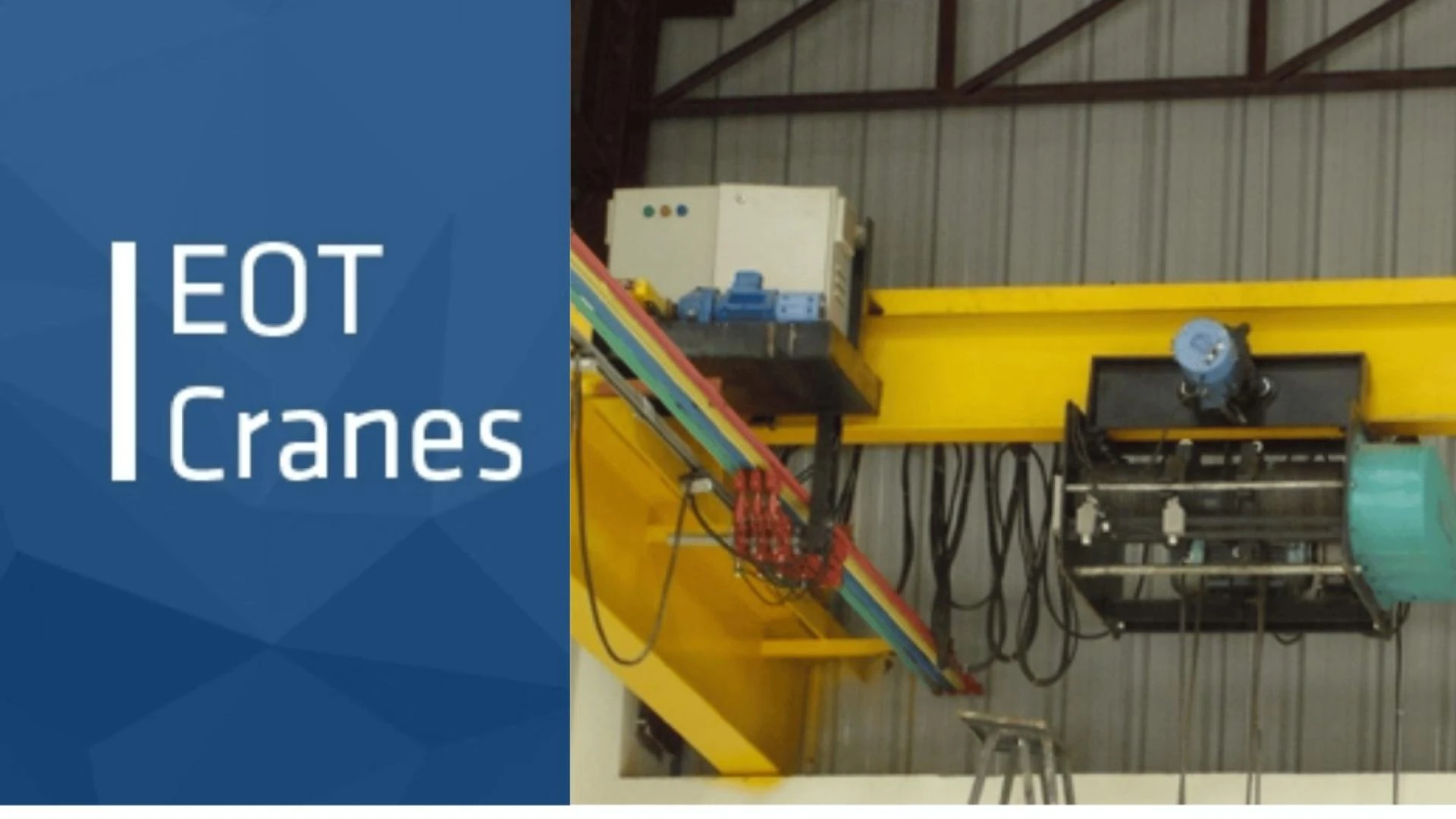

Welcome to the world of radio remote control for EOT cranes! Radio remote control is a technology that enables you to operate and control equipment from a distance. This makes it an invaluable tool for applications such as operating an EOT crane. In this blog post, we'll take a look at how radio remote controls work, their benefits, and some safety considerations when using radio remote controls for EOT cranes. So let's get started!
Radio Remote Control (RRC) is an innovative technology that allows EOT crane operators to control cranes from a distance. This advanced system provides enhanced safety and efficiency benefits to the industry, allowing crane operators to move loads quickly and accurately without being in close proximity. With RRC, operators can take full control of their cranes from any location through a wireless signal, giving them more flexibility and convenience than ever before.
RRC systems are designed with the latest safety features, such as emergency stop buttons and multiple signal transmission capabilities for extra security. Furthermore, these systems are equipped with communication protocols that allow remote devices to communicate with each other wirelessly for improved reliability and speed. The RRC technology also offers precision control over the operation of EOT cranes, enabling them to perform complex tasks with accuracy and speed.
EOT crane manufacturer benefits from RRC technology as it helps reduce costs associated with labor and maintenance while improving overall efficiency and productivity. Moreover, the system is designed to be user-friendly and easy to install, allowing for quick setup and training. In addition, RRC systems are designed with advanced features such as programmable memories, which allow the user to store and recall all operational parameters with ease.
Overall, radio remote control systems provide a reliable and efficient way for EOT crane manufacturers to reduce costs while improving safety and performance. With their flexible design and powerful features, these systems provide a safe and economical way of controlling EOT cranes at various locations with precision and accuracy. As such, they provide an ideal solution for any manufacturer looking to improve efficiency in their operations.
Advantages of Radio Remote Control for EOT Crane Manufacturers
Radio remote control (RRC) technology offers numerous advantages for EOT crane manufacturers and operators. RRC technology increases the safety, efficiency, and convenience of operating an overhead crane system. Here are a few of the major benefits:
Improved Safety: RRC eliminates the need for personnel to be in close proximity to the crane while it is in operation, reducing the risk of accidents or injuries. It also allows operators to remain at a safe distance if an emergency situation arises. This can help save lives and protect personnel on site.Increased Efficiency: With RRC, operators can move materials more quickly and efficiently than ever before, increasing productivity and cost savings. The radio controller also allows them to operate multiple cranes simultaneously, allowing them to complete tasks more quickly.Enhanced Convenience: With RRC technology, users will no longer have to be physically attached to the crane with a cable. This allows operators to move freely and maneuver the crane with greater ease and flexibility.Operational Flexibility: RRC technology offers operational flexibility by allowing remote access to the crane’s functions from any location or device. This can be especially useful in cases where multiple operators are controlling the same crane or when operating in hazardous locations.Enhanced Security: RRC provides an extra layer of security for EOT cranes, as it prevents unauthorized access to the machine’s functions and controls. This helps ensure that only trained personnel are able to operate the machinery safely and efficiently, reducing the risk of accidents or malfunctions on-site.Reduced Maintenance Costs: With RRC technology, operators can monitor their equipment from afar, easily detecting any faults or issues with its performance before they become more serious problems that require costly maintenance.
























Sign in to leave a comment.