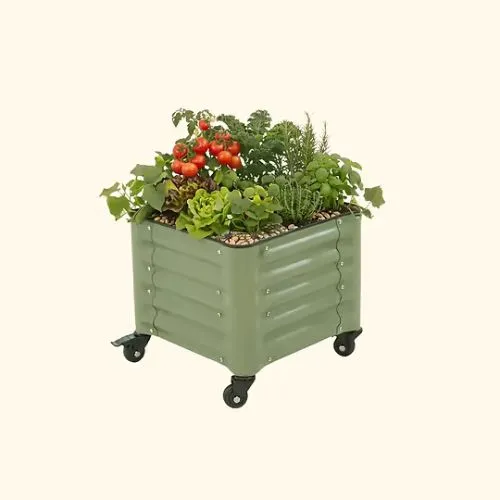

Choose the right elevated planter, prepare healthy soil, improve drainage, and grow vegetables, herbs, or flowers in patios and small yards.
Growing food at home should feel rewarding, not tiring. Elevated planters lift the growing area above ground, giving you better control over soil, water, spacing, and plant care. They work well in yards, patios, balconies, and places where normal soil is poor or unavailable.
They can also reduce bending and kneeling. Planting, watering, pruning, and harvesting become easier for beginners, older gardeners, and people with limited mobility.
Why Raised Garden Planters Make Growing Easier
The main benefit of raised garden planters is control. Instead of dealing with hard clay, rocky soil, or heavy weeds, you can add a fresh growing mix. The soil stays loose because no one needs to walk across it.
Main benefits include:
- Better drainage after rain or watering
- Easier access to herbs and vegetables
- Fewer weeds in the growing area
- Better control over soil quality
- Flexible placement on patios or decks
- Easy use of covers and trellises
Elevated soil may warm sooner than nearby ground soil. However, it can also dry faster, so regular moisture checks are important.
Choosing Raised Garden Planters for Your Space
Start with the room you have. A narrow patio may suit a slim planter, while a larger yard can hold several long beds. Rolling models help when sunlight changes or the area must be cleared.
Before choosing raised garden planters:
- Pick a width that lets you reach the center.
- Choose a comfortable height if bending is hard.
- Check how extra water leaves the planter.
- Match the depth to the crops you want to grow.
- Leave space around it for watering and harvesting.
- Choose a strong material made for outdoor use.
A self-watering planter can help keep moisture even, but its water level still needs checking.
Best Soil for Raised Garden Planters
Healthy roots need soil that holds moisture without staying soaked. A practical mix combines good topsoil with finished, plant-based compost. If the mixture feels heavy, a small amount of coarse material can improve airflow.
Do not fill raised garden planters with dense yard clay alone. It may compact, drain slowly, and make root growth harder. Pure potting mix can also dry too quickly in a large bed.
Set the planter on level ground. Over soil, remove weeds and loosen the ground below. On a hard surface, make sure drainage water can move away from doors, walls, and walkways.
What to Grow in Elevated Garden Planters
Lettuce, spinach, radishes, and most herbs fit well in shallower soil. Tomatoes, peppers, cucumbers, carrots, and squash need more root room, steady water, and enough space.
Place tall crops where they will not shade shorter ones. Add a trellis for peas, pole beans, or cucumbers. Avoid crowding plants because packed leaves reduce airflow.
Watering and Caring for Raised Planters
Press a finger into the top layer of soil. Water when it feels dry below the surface. Apply water near each plant’s base rather than soaking the leaves.
Mulch helps raised garden planters hold moisture and limits weeds. Clean straw or shredded leaves can work well. Add compost when needed and remove damaged plants.
Frequently Asked Questions About Raised Garden Planters
Are raised planters worth it?
Yes. They improve soil control, access, drainage, and garden organization. They are useful where native soil is poor or space is limited.
How deep should a raised planter be?
Leafy greens and many herbs can grow in shallow soil. Tomatoes, peppers, squash, and other deep-rooted crops often need at least 12 inches.
What should go in the bottom of a raised planter?
For a bottomless bed, remove weeds and loosen the ground. Hardware cloth may help block burrowing pests. Avoid sealing the base with solid plastic.
Do raised planters need drainage holes?
A planter with a closed base needs drainage holes so roots do not sit in water. Bottomless beds drain into the soil beneath them.
What vegetables grow best in raised planters?
Lettuce, herbs, radishes, carrots, beans, peppers, tomatoes, and cucumbers can grow well with enough sun, soil depth, and spacing.
How often should raised planters be watered?
Watering depends on heat, rain, planter size, and crop type. Check the soil often and water deeply when the upper layer begins to dry.
Conclusion: Grow More With Raised Garden Planters
Raised garden planters make home growing cleaner, easier, and more flexible. Choose a reachable size, use healthy soil, provide drainage, and select plants suited to the depth. With steady watering and simple care, one planter can produce fresh herbs, vegetables, or flowers close to home.




























Sign in to leave a comment.