
Rishikesh is globally celebrated as the yoga capital of the world, a spiritual sanctuary cradled by the sacred Ganges River, and a hub for white-water rafting. Yet, just a stone's throw from the ashrams and cafes lies a massive, untamed wilderness that many travellers overlook.
The sprawling forests of the Rajaji National Park Rishikesh, offer one of the most thrilling wildlife experiences in Northern India. Spanning over 820 square kilometres across the Shivalik hills, this reserve is a thriving sanctuary for the royal Bengal tiger, Asiatic elephants, leopards, and hundreds of bird species.
If you are preparing for your very first jungle expedition here, the anticipation of the unknown can be both exciting and slightly overwhelming. What does the terrain look like? Will you actually see a tiger? How do you secure a permit? This comprehensive guide walks you through every detail of what to expect, ensuring your wilderness debut is seamless, safe, and truly unforgettable.
The Landscape: Entering the Kingdom of the Shivaliks
As your open-top safari gypsy rumbles past the forest checkpoint, the transition from the bustling streets of Rishikesh to the silence of the jungle is immediate. The air cools down, scented with the earthy fragrance of wet mud and fallen Sal leaves.
The geography of Rajaji National Park, Rishikesh, is incredibly diverse. You will drive through dry, sandy riverbeds (locally known as sots), climb undulating hilly tracks, and cruise past wide-open grasslands (chaurs) fringed by dense, ancient forests. The unique positioning of the park at the transition zone between the Shivalik hills and the Indo-Gangetic plains creates a dynamic ecosystem where every turn reveals a different landscape.
Understanding the Safari Zones
To manage tourism and preserve the ecosystem, the reserve is divided into multiple administrative ranges or safari zones. Each zone has its own unique terrain and wildlife specialities. Knowing which one fits your expectations is key when booking a tiger safari in Rishikesh adventures.
Chilla Safari Zone
This is the showpiece zone of the park and the most popular entry point for travellers staying in Rishikesh. Bordered by the Ganges River on one side, Chilla features a scenic 36-kilometre circular track that winds through flat grasslands and mixed forests. Due to its open landscapes and reliable water sources, Chilla offers some of the highest chances of spotting Bengal tigers and large herds of wild elephants.
Motichur Safari Zone
Located right along the Haridwar-Rishikesh highway, Motichur boasts incredibly dense, gorgeous Sal forests. While tiger sightings here require a bit more patience and luck due to the thick foliage, the zone is an absolute hotspot for spotting majestic Asiatic elephants, wild boars, and a brilliant array of woodland birds.
Jhilmil Jheel Conservation Reserve
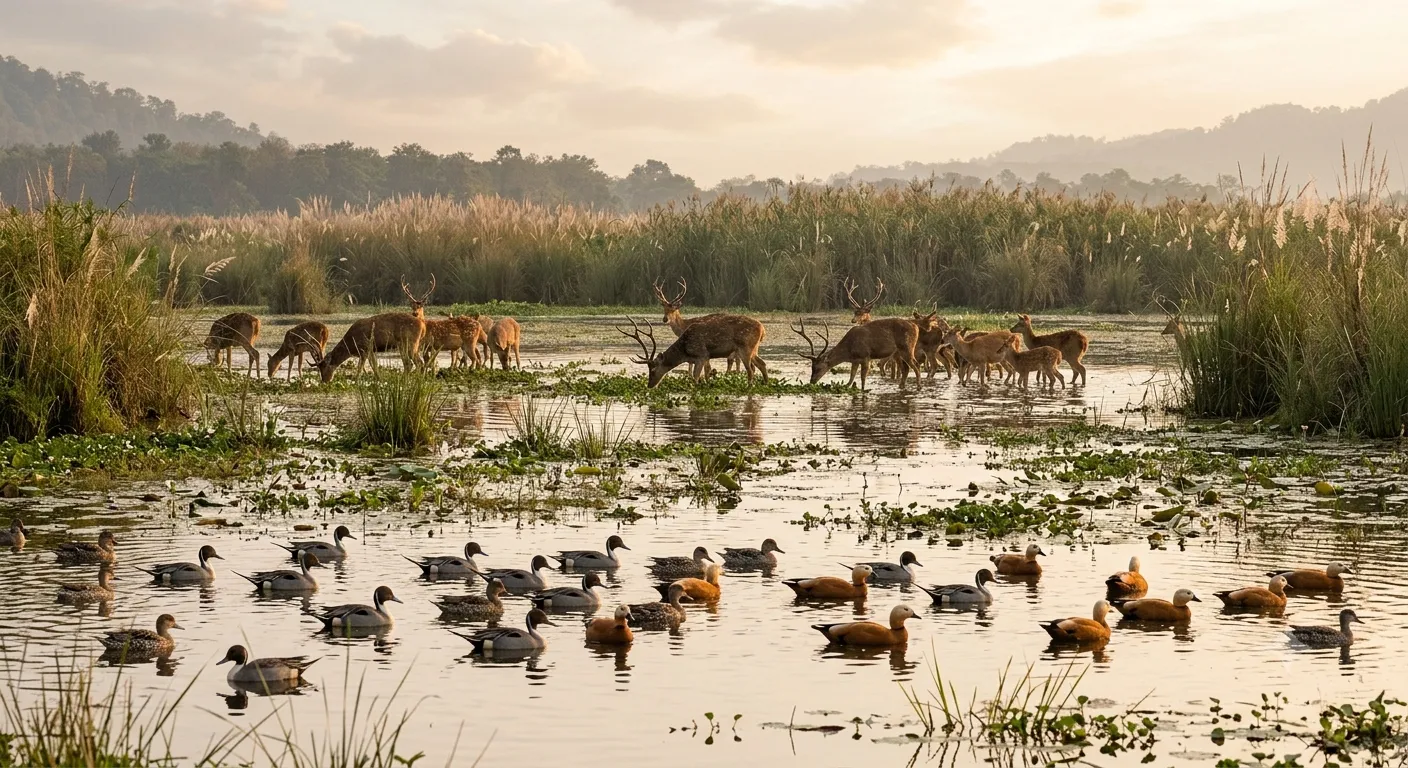
Situated slightly further south, Jhilmil is a unique marshy grassland wetland. This is the only place in Uttarakhand where you can spot the highly endangered Barasingha (swamp deer). It is also a dream destination for birdwatchers, especially during winter when migratory waterfowl flock to the wetlands.
Ranipur and Mohand Zones
For travellers seeking solitude and a raw, untamed jungle feel far from the crowds, these zones are perfect. Ranipur's rocky, dry terrain is classic leopard territory, while Mohand is renowned for its sweeping views and exceptional birdwatching opportunities.
The Wildlife: What Can You Honestly Expect to See?
It is vital to go on your first safari with realistic expectations. A national park is not a zoo; the animals roam completely free across vast, rugged terrains. Spotting a tiger is a matter of patience, timing, and a bit of jungle luck.
While the Bengal tiger is the undisputed star of the reserve, the park is home to a spectacular supporting cast:
- Asiatic Elephants: Rajaji marks the northwestern limit of the elephant distribution range in India. Seeing a matriarch lead her herd across a dry riverbed is just as awe-inspiring as a big cat sighting.
- The Big Cats: Besides the Bengal tiger, the park holds a healthy population of Indian leopards. Leopards are masters of camouflage, often spotted resting on the branches of large trees or slinking through the rocky ridges of Ranipur.
- Herbivores: You will constantly encounter herds of spotted deer (chital), sambar deer, barking deer, and wild boars foraging along the forest tracks.
- Avian Wonders: With over 400 species of birds, the park is a paradise for birders. Keep your eyes peeled for the magnificent Great Hornbill, colourful parakeets, and various birds of prey soaring above the canopy.
Best Time to Visit and Safari Timings
The park operates on a seasonal schedule dictated by the monsoon rains. The core safari zones of Rajaji National Park, Rishikesh, are open to visitors from November 15 to June 15 each year. During the monsoon months, the forest tracks wash away, and the park is closed to allow the habitat to regenerate.
Daily safaris are conducted in two shifts: morning and afternoon.
The Morning Safari
Typically starting around 6:00 AM, the morning shift is cold, misty, and incredibly atmospheric. The forest is just waking up, and the golden morning light filtering through the trees is perfect for photography. Animals are highly active during these early hours before the sun gets too warm.
The Afternoon Safari
Starting around 2:30 PM or 3:00 PM, this shift is excellent for spotting predators as they begin to stir from their midday slumbers. As the day cools down, herbivores gather near natural water holes, which in turn attract the big cats.
Step-by-Step: Booking Your Tiger Safari in Rishikesh
Because the forest department enforces strict daily vehicle limits in each zone to prevent ecological disturbance, securing your permit well in advance is essential. If you wait to book at the gate on the day of your travel, you run a very high risk of finding all slots sold out, especially in popular zones like Chilla.
Here is how the booking process works:
- Choose Your Preferred Zone: If your primary goal is seeing a tiger or elephant, target the Chilla zone. If you want a peaceful, crowd-free experience, consider Motichur or Ranipur.
- Gather Official Identification Documents: Every visitor must provide a valid government-issued photo ID. Indian nationals can use an Aadhaar Card, Voter ID, or Driving License, while international travellers must provide their Passport details.
- Secure Permits Online: You can book your entry permits through the official Uttarakhand Forest Department portal, or use trusted local travel operators like the Rishikesh Tiger Safari platform to handle the permits, vehicle bookings, and mandatory forest guides on your behalf.
- Confirm Your Gypsy and Guide: Your booking package covers three essential components: the forest entry permit, the registered open-top 4x4 Gypsy vehicle, and a certified naturalist guide who is trained to read animal tracks and warning calls.
Practical Tips for First-Time Safari Goers
To make the most of your adventure, keep these essential travel tips in mind:
Dress in Earthy Tones
Bright colours like red, yellow, and neon orange act as warning flags to wild animals, making them retreat deep into the brush. Stick to neutral, earthy tones like olive green, khaki, brown, and grey to blend seamlessly into the forest background.
Dress in Layers
If you are taking a morning safari in the winter months (December to February), the open-top jeep drive can feel incredibly chilly. Wear layers, including a warm windproof jacket, a woollen cap, and gloves, which you can gradually peel off as the sun climbs higher.
Keep the Dust in Mind
The forest tracks can get extremely dusty, especially when driving behind another vehicle on dry riverbeds. Carry a light scarf or face mask to protect your nose and mouth, along with sunglasses to shield your eyes.
Protect Your Camera Gear
If you are bringing a DSLR or mirrorless camera, carry a small dust-proof bag or wrap a soft cloth around your camera body when you aren't shooting. The fine forest dust can easily settle into delicate lens mounts and dials.
Crucial Safari Etiquette and Safety Guidelines
A national park is a delicate, protected environment. To ensure both your safety and the well-being of the wildlife, you must follow a strict set of rules during your journey:
- Never Step Out of the Vehicle: Under no circumstances are you allowed to disembark from your safari gypsy inside the forest, except at designated, secure watchtowers or rest points approved by your guide.
- Maintain Absolute Silence: Loud talking, laughing, or shouting can startle wild animals and cause them to flee. Speak only in hushed whispers. Turn your mobile phones to completely silent or aeroplane mode.
- No Littering or Feeding Animals: Keep all snack wrappers, water bottles, and tissues inside the vehicle. Littering is a punishable offence. Feeding wild animals disrupts their natural foraging habits and can make them aggressive.
- Do Not Use Flash Photography: The sudden burst of a camera flash can blind or agitate animals, leading to dangerous defensive reactions. Keep your camera flash permanently turned off.
- Respect the Guide and Driver: Your forest guide and gypsy driver understand the language of the jungle. If they tell you to sit down, stop filming, or back away from an animal, follow their instructions instantly without argument.
Frequently Asked Questions
1. Is a tiger sighting guaranteed during the safari?
No, tiger sightings are never guaranteed in a natural, open forest reserve like Rajaji. However, choosing high-activity zones like Chilla and booking multiple safari drives during your stay significantly increases your chances of a memorable encounter.
2. Can children join the safari? Is it safe for families?
Yes, children of all ages are permitted on the safari. It is an incredibly educational experience for kids. However, parents must ensure that younger children sit quietly inside the vehicle and do not scream or make sudden movements that could disturb the wildlife.
3. How long does a typical tiger safari last?
A standard morning or afternoon safari drive lasts for about 3 to 3.5 hours, covering a designated circular track of approximately 25 to 36 kilometres within your chosen zone.
4. What happens if it rains during our scheduled safari?
Light showers usually do not disrupt safaris, but heavy or continuous rain can turn dirt tracks into slippery clay, making them unsafe for vehicles. In cases of severe weather, the forest department may temporarily suspend safari operations for safety.
5. Can I book a safari on arrival in Rishikesh?
While spot bookings are technically possible at the forest range offices, they are highly discouraged. During the peak travel seasons, safari slots sell out weeks in advance. It is always best to finalise your booking for the tiger safari in Rishikesh online before you travel to secure your desired zone and time slot.
Conclusion: Embrace the Wild Side of Rishikesh
A journey into the heart of Rajaji National Park, Rishikesh, is a humbling reminder of the raw beauty of our natural world. It provides a perfect, grounding contrast to the spiritual and high-adrenaline adventure activities that Rishikesh is famous for.
Whether you end up locked in a thrilling eye-to-eye gaze with a royal Bengal tiger, watching a family of elephants bathe in a forest stream, or simply listening to the wind rustle through the giant Sal trees, your first safari will leave you with a profound appreciation for India's incredible conservation efforts.
Pack your neutral colours, keep your camera ready, and step into the wild—the forests of Rajaji are waiting to show you their magic.















Sign in to leave a comment.