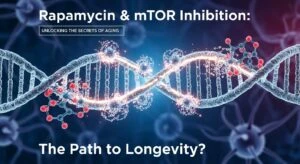

Rapamycin and mTOR: The Pathway at the Center of Aging
In the world of longevity science, very few pathways matter as much as mTOR. And very few compounds influence that pathway as powerfully as rapamycin. In this educational video from RapaShop, we explore the deep connection between rapamycin and mTOR, why this pathway plays such a central role in aging, and how modulating it may support healthier aging and extended healthspan.
If you’ve heard about mTOR but never fully understood why it’s so important - or why rapamycin keeps appearing in longevity research - this video breaks it down in a clear, human, and science-backed way.
What is mTOR?
mTOR (mechanistic Target of Rapamycin) is a master regulator inside the body. It helps cells decide when to grow, divide, store energy, or pause and repair. In simple terms, mTOR responds to signals like nutrients, insulin, and growth factors to tell cells whether conditions are right for growth.
When mTOR activity is balanced, it supports healthy metabolism, tissue repair, and immune function. But when mTOR is chronically overactivated, which often happens with aging, constant food availability, and modern lifestyles, it can accelerate cellular damage.
This is why mTOR sits at the center of aging research.
What Is Rapamycin?
Rapamycin is a compound originally discovered in soil samples from Rapa Nui (Easter Island). While it was initially used in medical settings, scientists soon discovered that rapamycin directly interacts with the mTOR pathway.
Rapamycin works by inhibiting excessive mTOR signaling, effectively turning down the body’s growth signals and allowing cells to shift into a maintenance and repair state. This ability to regulate mTOR is what makes rapamycin so important in longevity science.
The Connection Between Rapamycin and mTOR
In this video, RapaShop explains that aging is not simply about time passing - it’s about how cells respond to stress, nutrients, and damage over time. Chronic mTOR activation pushes cells to prioritize growth even when repair is needed.
Rapamycin helps restore balance by:
- Reducing unnecessary cellular growth
- Enhancing repair mechanisms
- Supporting stress resistance
- Improving cellular efficiency
This shift is why rapamycin is often described as a longevity-supporting compound rather than a traditional supplement or stimulant.
How mTOR Influences Aging
1. mTOR and Autophagy
One of the most important processes regulated by mTOR is autophagy, the body’s cellular recycling system. When mTOR activity is high, autophagy is suppressed. When mTOR activity is reduced, autophagy increases.
Autophagy clears damaged proteins, dysfunctional mitochondria, and cellular waste that accumulate with age. By inhibiting mTOR, rapamycin helps activate autophagy, which is strongly associated with slower biological aging.
2. Growth vs Repair Balance
Growth is essential early in life, but constant growth later in life can accelerate aging. Overactive mTOR keeps cells locked in growth mode, leaving little energy for repair.
Rapamycin helps shift this balance toward cellular maintenance, stability, and repair, which mirrors patterns seen in long-lived organisms.
3. Inflammation and Immune Aging
mTOR also plays a role in immune system regulation. As mTOR signaling becomes dysregulated with age, immune responses can become either overactive or ineffective.
Research suggests rapamycin may help rebalance immune signaling by moderating mTOR activity, reducing chronic inflammation while supporting healthier immune responses - an important factor in aging well.
Rapamycin, mTOR, and Caloric Restriction
For decades, caloric restriction was considered the most reliable way to slow aging. One of its primary effects is reduced mTOR activity. However, long-term calorie restriction is difficult and often unsustainable.
Rapamycin is often referred to as a caloric restriction mimetic because it influences mTOR directly, activating many of the same longevity pathways without severe dietary restriction.
This is one reason rapamycin has become such a major focus in modern aging research.
What the Research Shows
Studies across multiple species - from yeast to mammals - show that reducing mTOR activity through rapamycin can:
- Extend lifespan
- Improve metabolic markers
- Delay age-related decline
- Enhance stress resistance
- Improve immune function
Notably, some studies show benefits even when rapamycin is introduced later in life, which is rare among longevity interventions.
The video from RapaShop explains these findings responsibly, highlighting what is well supported by research and what scientists are still investigating.
Who This Video Is For
This video is ideal for viewers who want to:
- Understand rapamycin and mTOR
- Learn how aging works at the cellular level.
- Explore evidence-based longevity science.
- Avoid hype and exaggerated anti-aging claims.
- Build a foundation in healthspan research.
Whether you’re new to longevity topics or already familiar with mTOR, this explanation provides clarity and context.
Why Watch on RapaShop?
RapaShop focuses on clear, science-driven education around longevity and aging. Instead of oversimplifying complex biology, the channel explains how pathways like mTOR function and why compounds like rapamycin are being studied so closely.
This video helps viewers think critically about aging and understand the biological trade-offs involved in growth, repair, and long-term health.
Final Thoughts on Rapamycin and mTOR
The relationship between rapamycin and mTOR has reshaped how scientists think about aging. Rather than seeing aging as unavoidable damage, research now points to modifiable biological pathways that influence how we age.
By helping regulate mTOR, rapamycin supports cellular repair, autophagy, and metabolic balance all key components of healthy aging.
👉 Watch the full video to understand how rapamycin and mTOR shape longevity and why this pathway sits at the heart of aging science with RapaShop




















Sign in to leave a comment.