

Single Walled Carbon Nanotubes
Scientists praise single-walled carbon nanotubes for their strength and conductivity. These tubes are thinner than a human hair. Yet they carry current better than copper. They also show high flexibility and low weight. Industries see strong potential in electronics, energy storage, and composites. However, large-scale production still faces tough barriers.
Why Scale Creates Problems
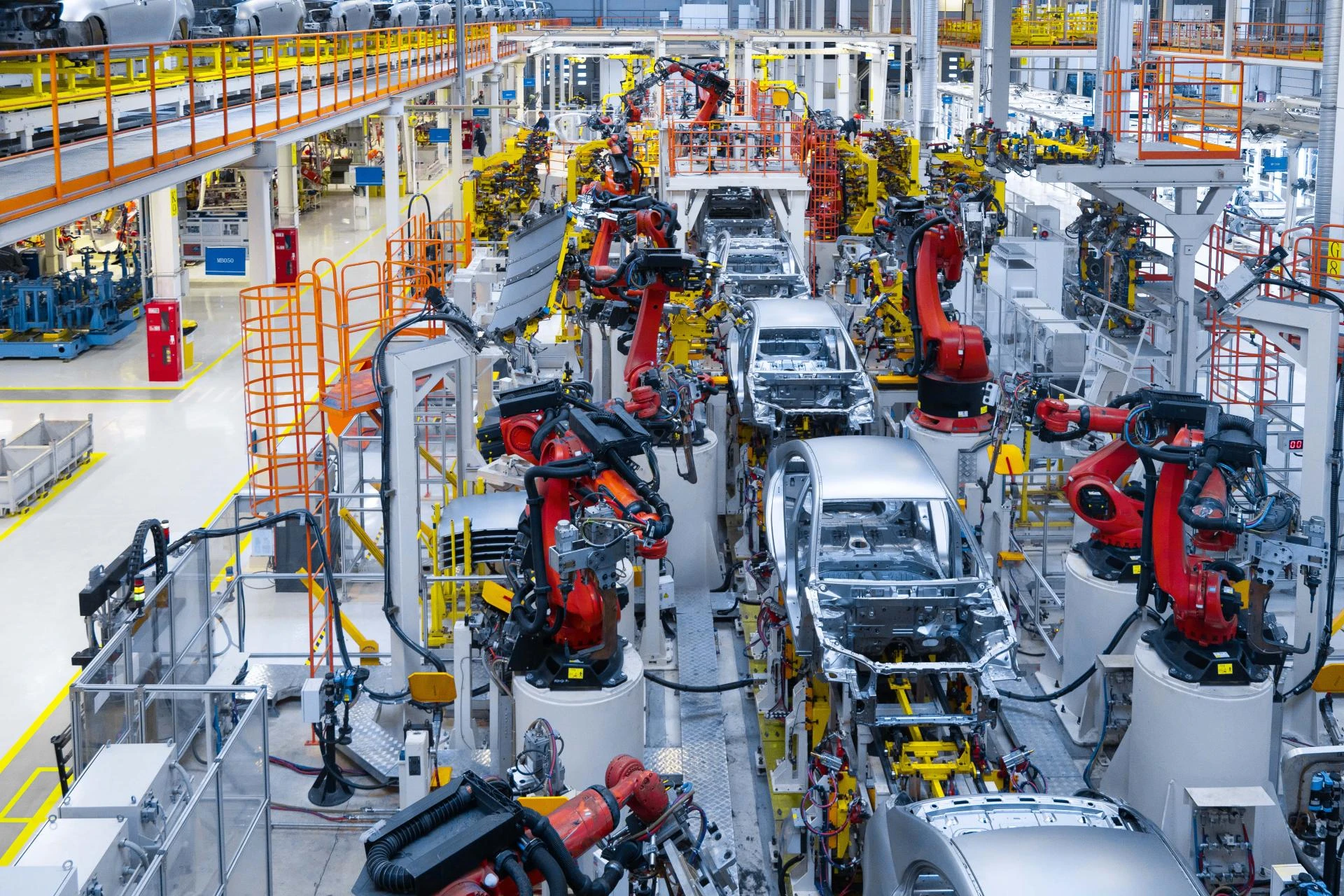
Lab methods work well in small batches. They fail when factories try to scale. Many processes need high heat and strict control. Small changes can ruin the product quality. This gap slows the use of single walled carbon nanotubes in real products.
Challenge 1: Controlling Purity
Factories often produce mixed materials. These include unwanted carbon forms and metal residues. Such impurities reduce performance. They also raise safety concerns in some uses. Cleaning the material adds cost and time. Many methods also damage the tubes during purification.
Challenge 2: Managing Tube Structure
Each tube has a specific structure. This structure decides its electrical behavior. Some tubes act like metals. Others act like semiconductors. Industry needs uniform types for reliable products. Current methods struggle to control this structure. This issue limits the use of electronics.
Challenge 3: High Production Costs
Production needs expensive catalysts and energy. Equipment must handle extreme heat and pressure. These factors increase the cost per gram. Large companies hesitate due to uncertain returns. Lower cost remains key for wider adoption.
Strategies for Breakthroughs
Better Catalyst Design
Researchers now design smarter catalysts. These catalysts guide tube growth with better precision. Improved catalysts can boost yield and control structure. This step can reduce waste and cost.
Advanced Growth Methods
New techniques like chemical vapor deposition show promise. They allow better control over temperature and gas flow. These controls improve purity. Scaling these methods can support industrial needs.
Dispersion Solutions
Engineers use surfactants and mechanical mixing to prevent clumping. They also explore chemical treatments for better separation. These steps improve the usability of single-walled carbon nanotubes in products.
Collaboration Between Fields
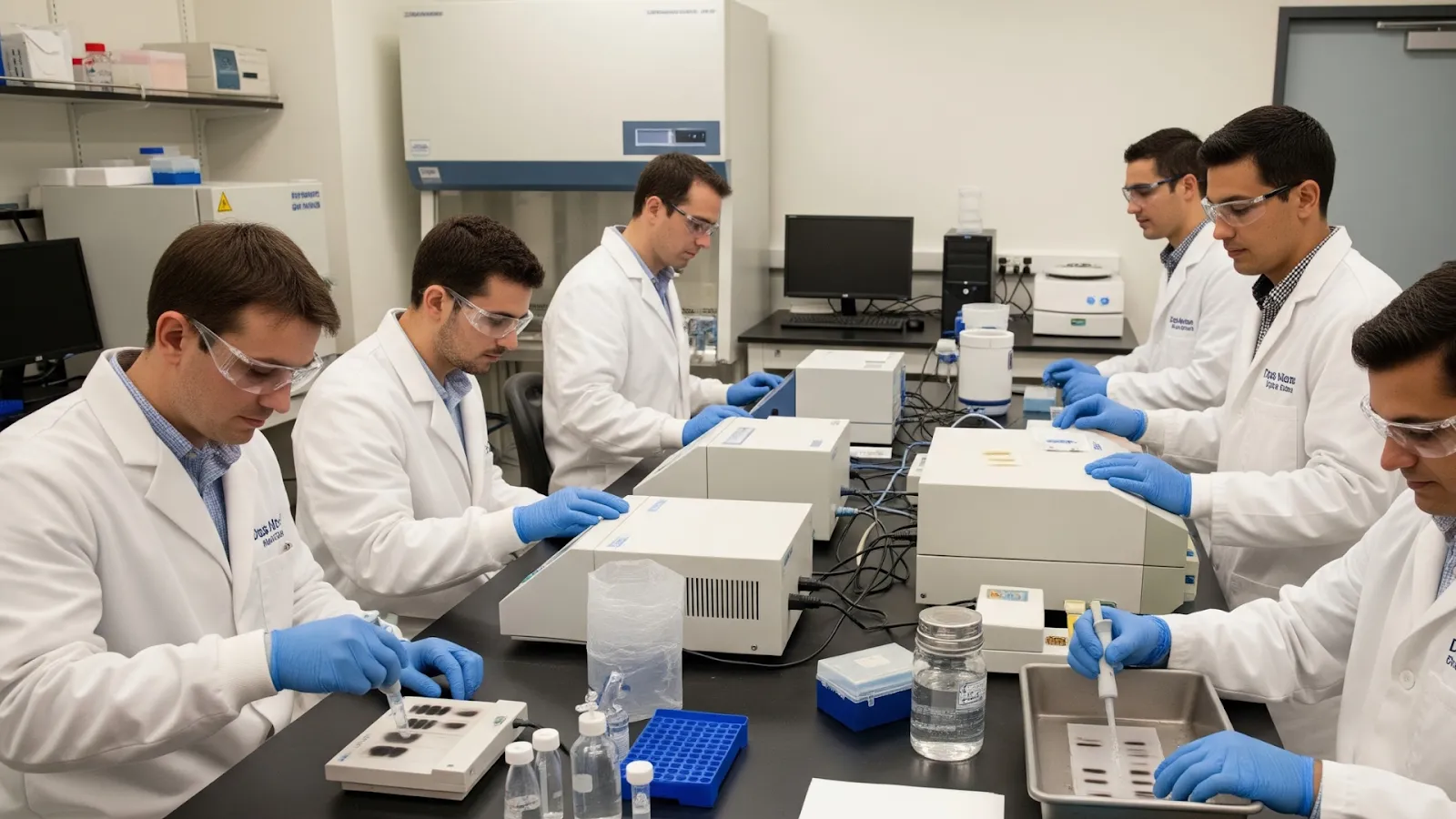
Material scientists, engineers, and manufacturers now work together. This teamwork speeds up innovation. It also helps move ideas from labs to factories faster.
Conclusion
The future of single-walled carbon nanotubes depends on solving these challenges. Progress may seem slow, but steady gains continue. Each improvement brings the industry closer to large-scale use. With the right strategies, these tiny tubes may soon power big changes.

























Sign in to leave a comment.