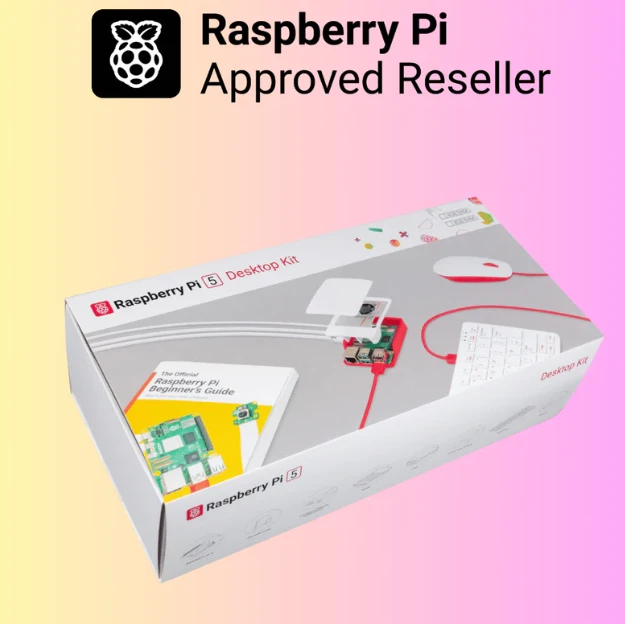

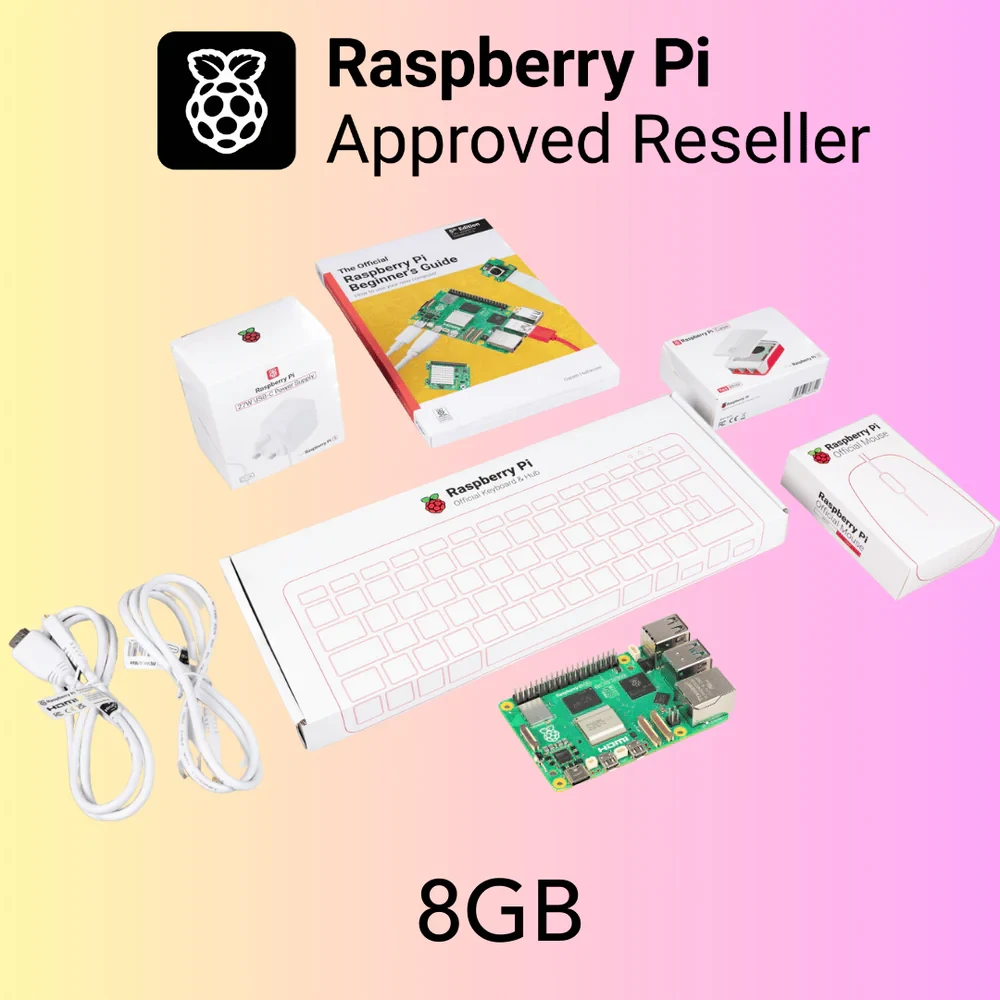
Choosing between Raspberry Pi 5 and Raspberry Pi 4 can feel confusing, especially for first time buyers. On paper, the differences look technical, but in real life, they affect how the device feels, performs, and fits your needs. This comparison focuses on everyday use rather than just specifications.
Processing Power and Speed
Raspberry Pi 5 uses a newer CPU architecture that delivers significantly better performance. Tasks that feel slow or laggy on Raspberry Pi 4 run smoothly on Raspberry Pi 5. This includes multitasking, running development tools, and handling larger applications.
Raspberry Pi 4 is still capable, but it struggles under heavier workloads. For users who push their device regularly, the difference is noticeable.
Memory and Multitasking
Both models offer multiple memory options, but Raspberry Pi 5 handles memory usage more efficiently. Applications stay responsive even when several programs are open at the same time.
For classroom environments or shared workstations, this stability improves the learning experience.
Storage and Boot Options
Raspberry Pi 4 primarily relies on microSD storage, which is slower and less durable. Raspberry Pi 5 introduces PCIe support, allowing NVMe storage. This results in faster boot times and improved reliability.
This difference is critical for users running servers, databases, or development environments.
Connectivity and Input Output
Raspberry Pi 5 improves USB performance and overall input output handling. External drives, cameras, and peripherals respond faster and more reliably.
Networking performance is also more stable, which benefits users building home automation systems or network services.
Power Consumption and Cooling
Raspberry Pi 5 consumes more power and requires better cooling. Raspberry Pi 4 is more forgiving in passive setups.
Users upgrading should factor in the cost of a proper power supply and cooling solution.
Price and Value
Raspberry Pi 4 remains a cost effective option for beginners and simple projects. Raspberry Pi 5 costs more, but the performance gains justify the price for advanced users.
Which One Should You Choose
Choose Raspberry Pi 5 if you need performance, storage speed, and future ready features. Choose Raspberry Pi 4 if your projects are simple and budget is a concern.
Final Verdict
Both boards have their place. Raspberry Pi 5 is the better long term investment for serious users, while Raspberry Pi 4 remains an excellent entry point.

























Sign in to leave a comment.