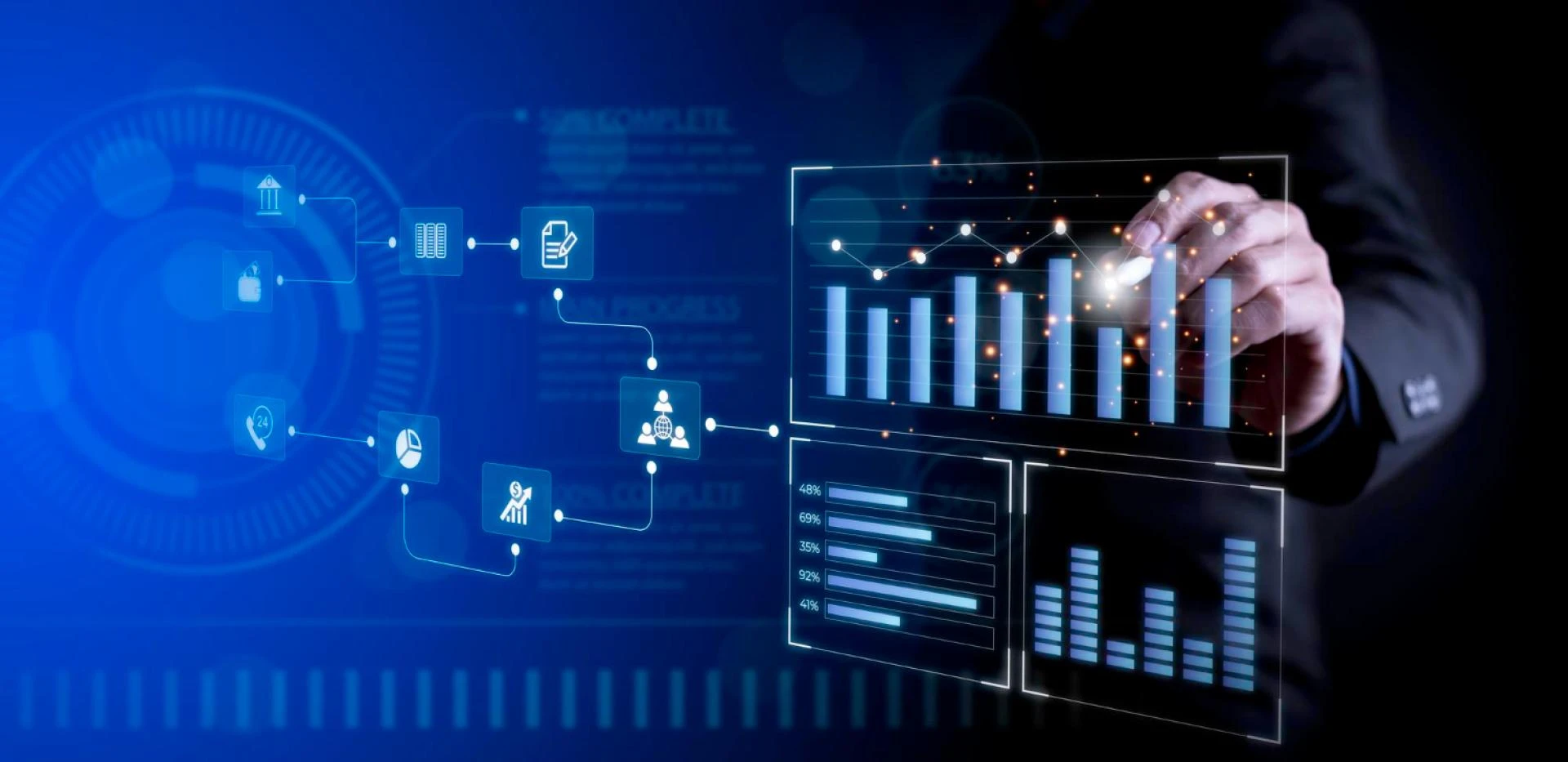

In 2026, businesses are no longer asking if they should use AI analytics. They are asking how fast they can use it to make better decisions. Enterprise AI analytics has moved from being a nice extra to becoming a daily business tool.
Companies today deal with huge amounts of data. Sales data. Customer data. Website data. Supply chain data. Financial data. Human resource data. Without smart tools, this data becomes noise. With AI analytics, this data becomes clear business insight.
What makes 2026 different is how easy and practical AI analytics has become. It is no longer limited to large tech companies. Mid size and even small enterprises now use AI analytics to improve profits, reduce waste, and serve customers better.
This blog will walk you through real world use cases of enterprise AI analytics in 2026. You will see how different teams use it. You will also understand how it creates real business value in simple and practical ways.
What Is Enterprise AI Analytics
Enterprise AI analytics means using artificial intelligence to analyze business data at scale. It goes beyond simple reports and charts. It looks for patterns. It makes predictions. It finds risks. It suggests actions.
In 2026, most enterprise AI tools are built into business software. This includes CRM systems, ERP platforms, finance tools, and marketing platforms. Business users do not need deep technical skills to use them.
AI analytics now helps companies answer questions like:
What will sales look like next month
Which customers are likely to leave
Where are we losing money
Which products will sell more
What risks are growing
The goal is not just to see what happened. The goal is to understand what will happen next and what to do about it.
Why Enterprise AI Analytics Matters More in 2026
Several changes have made AI analytics more important than ever.
Data volume has grown faster than teams can manage manually. Customers expect faster and more personal service. Competition is stronger in almost every industry. Costs are rising. Profit margins are tighter.
AI analytics helps businesses respond to these pressures. It helps leaders make decisions based on facts instead of guesswork. It also helps teams move faster with more confidence.
Now let us look at how companies are using enterprise AI analytics in real business areas.
Sales and Revenue Growth
Sales Forecasting and Planning
In 2026, sales teams use AI analytics to predict revenue with much better accuracy. AI looks at past sales, season trends, customer behavior, and market changes.
This helps leaders plan targets that are realistic. It also helps them spot problems early. If sales are likely to drop in a region, they can act before the loss happens.
Better forecasting also improves cash flow planning and inventory planning.
Lead Scoring and Deal Priority
AI analytics now helps sales teams focus on the right deals. It scores leads based on past success patterns.
Instead of calling every lead, sales reps can focus on leads that are more likely to convert. This saves time and increases close rates.
It also helps managers coach teams by showing where deals get stuck.
Marketing and Customer Engagement
Personal Customer Experiences
In 2026, customers expect messages that match their needs. AI analytics studies browsing behavior, purchase history, and response patterns.
This helps marketing teams send the right message at the right time. It can suggest product offers, content topics, and email timing.
The result is higher engagement and better conversion rates.
Campaign Performance Optimization
AI analytics tracks which campaigns perform well and which ones do not. It adjusts budgets automatically in many platforms.
Marketing teams can see which channels bring the best return. They can stop wasting money on low performing ads.
This makes marketing spending smarter and more efficient.
Customer Support and Service Quality
Predicting Customer Issues
Many companies now use AI analytics to spot problems before customers complain. The system looks at product usage, error logs, and support history.
If a customer is likely to face an issue, the support team can reach out first. This improves satisfaction and reduces frustration.
It also reduces support workload by preventing repeat issues.
Improving Response Times
AI analytics studies support tickets and chat data. It finds patterns that cause delays.
Managers can fix process gaps. They can also train agents based on real data insights.
Faster response times lead to happier customers and better brand trust.
Finance and Risk Management
Fraud Detection
In 2026, AI analytics plays a big role in detecting fraud. It looks for unusual patterns in payments, invoices, and transactions.
It can spot suspicious activity much faster than manual checks. This protects revenue and reduces financial losses.
Many finance teams now rely on AI to monitor large transaction volumes in real time.
Better Budgeting and Cost Control
AI analytics helps finance teams see where money is being spent and where waste happens.
It can predict future expenses based on trends. This helps create more accurate budgets.
Leaders can make better decisions about where to cut costs and where to invest.
You can also read: How Enterprises Can Transform AI Analytics into Trusted Decision Intelligence
Supply Chain and Operations
Demand Forecasting
AI analytics helps companies predict product demand by region and time period.
This reduces overstock and stockouts. It also improves warehouse planning and shipping efficiency.
Better demand planning leads to lower storage costs and better customer service.
Supplier Performance Tracking
Companies now track supplier quality and delivery times using AI analytics.
The system can flag suppliers that often cause delays or quality issues.
This helps procurement teams choose better partners and reduce supply chain risks.
Human Resources and Workforce Planning
Employee Retention and Attrition Risk
AI analytics is used to spot early signs of employee turnover. It looks at workload, performance trends, and engagement signals.
HR teams can act before valuable employees leave. This includes offering support, training, or role changes.
Lower turnover saves hiring costs and protects team knowledge.
Smarter Hiring Decisions
AI analytics helps HR teams understand which candidate profiles perform best in certain roles.
It can improve screening and reduce time to hire.
This leads to better hires and stronger teams over time.
IT and Security Operations
Threat Detection and Security Monitoring
In 2026, cybersecurity relies heavily on AI analytics. The system watches network activity and user behavior.
It can spot unusual actions that may signal a security threat.
This helps IT teams respond faster and reduce damage from attacks.
System Performance and Downtime Prevention
AI analytics monitors system health and usage patterns.
It can predict failures before they happen. IT teams can fix issues during low impact periods.
This reduces downtime and keeps business systems running smoothly.
Healthcare and Life Sciences
Patient Risk and Care Planning
Healthcare organizations use AI analytics to predict patient risks.
It helps doctors and care teams focus on high risk patients.
This improves care quality and reduces hospital readmissions.
Research and Drug Development
AI analytics speeds up research by finding patterns in large medical datasets.
This helps teams identify promising treatments faster.
It reduces research time and costs.
Manufacturing and Quality Control
Defect Detection
AI analytics checks production data to spot quality issues early.
It can detect patterns that lead to defects.
This reduces waste and improves product quality.
Equipment Maintenance
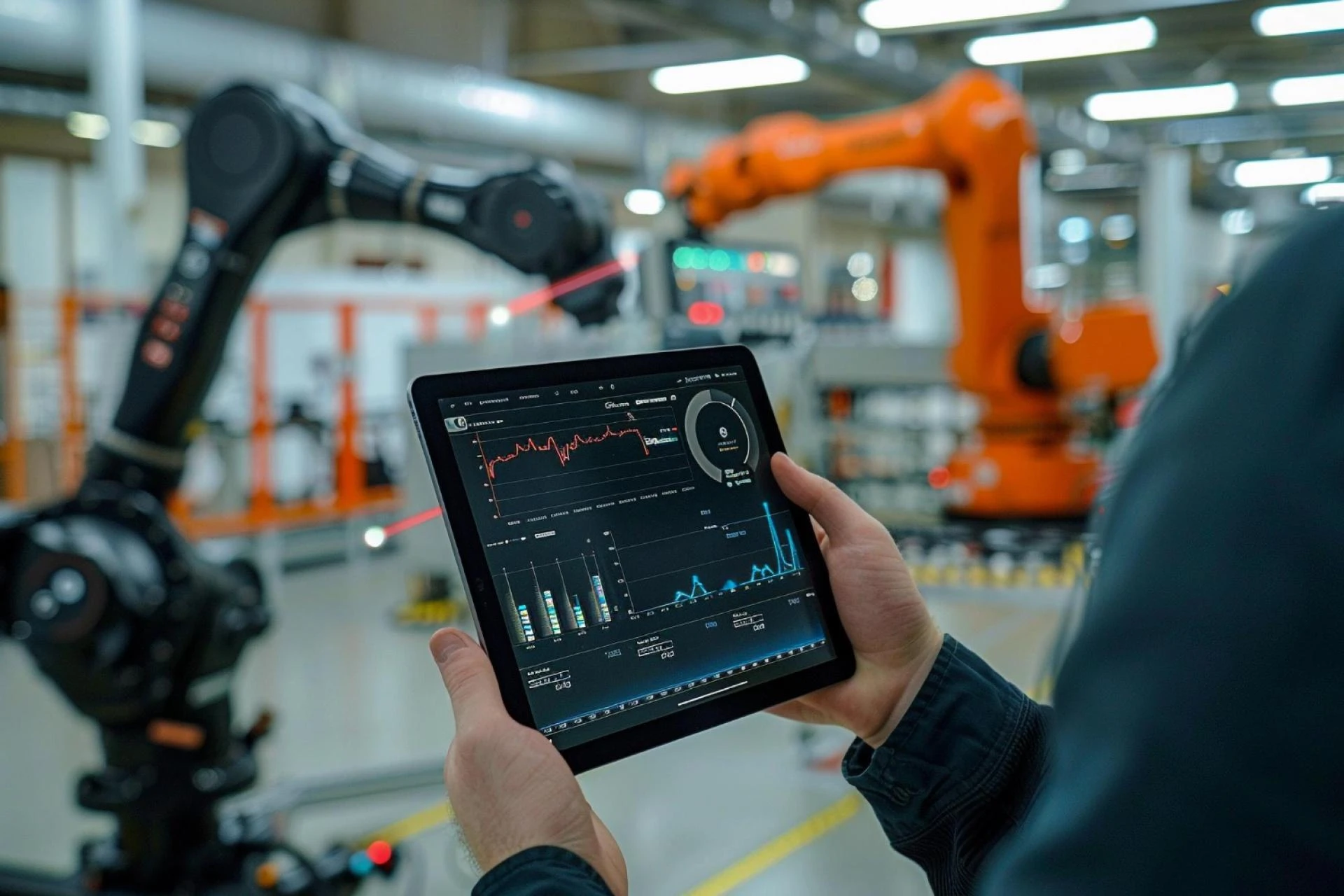
Predictive maintenance is common in 2026.
AI analytics predicts when machines need service.
This prevents breakdowns and extends equipment life.
How Businesses Can Start Using Enterprise AI Analytics
For companies new to AI analytics, the best approach is to start small.
Choose one business problem. Clean and organize your data. Use AI tools built into your current software if possible.
Train teams to trust data insights. Combine AI recommendations with human judgment.
Over time, expand AI analytics to more areas of the business.
Final Thoughts
In 2026, enterprise AI analytics is no longer a future trend. It is a real business tool that drives real results.
From sales and marketing to finance and HR, AI analytics helps teams work smarter. It turns data into clear actions. It helps leaders make better decisions with confidence.
Companies that use AI analytics well will move faster. They will serve customers better. They will manage risks more effectively.
The businesses that win in 2026 will not be the ones with the most data. They will be the ones that use AI analytics to turn data into smart decisions.




Sign in to leave a comment.