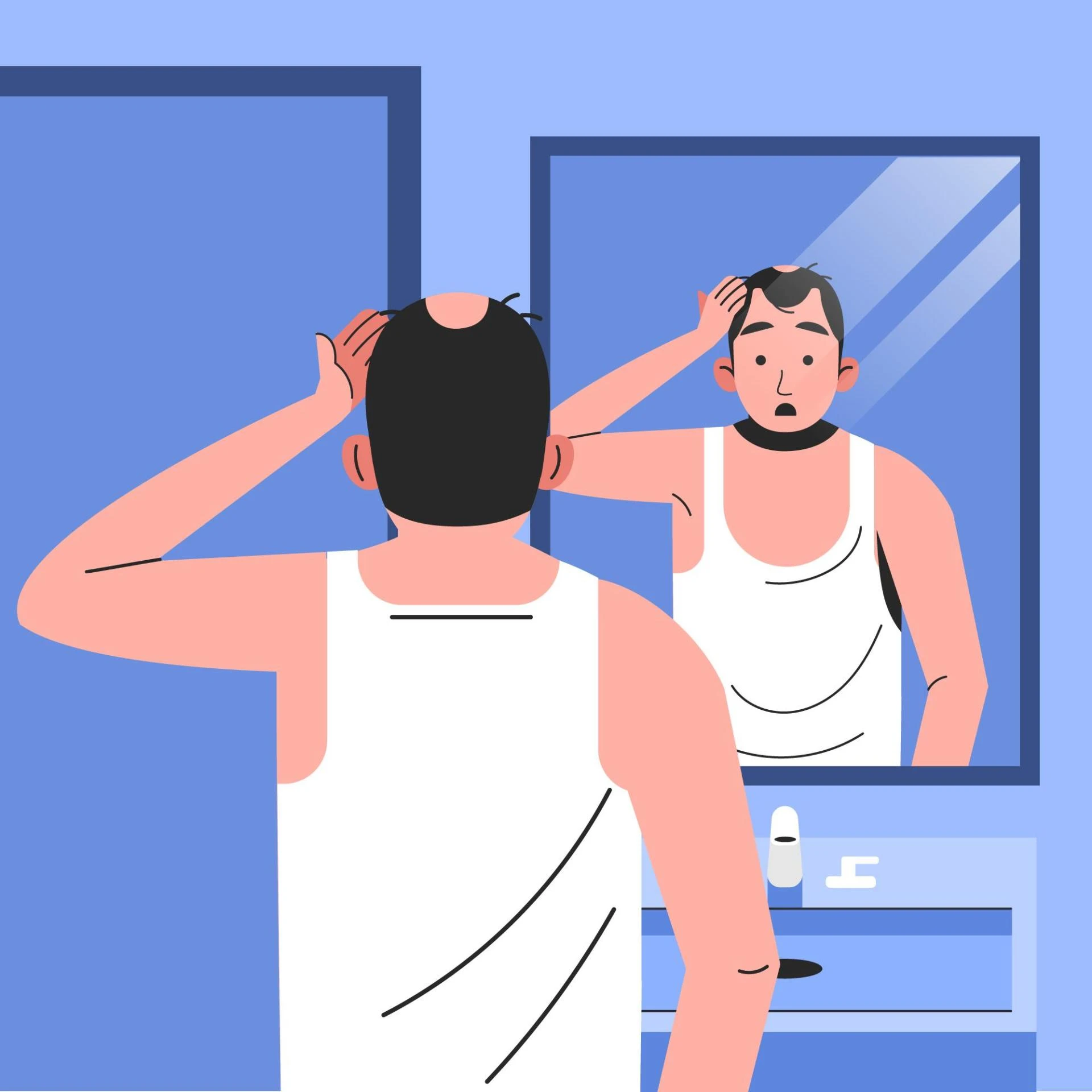

Looking forward to restoring your hair and reclaiming confidence? It is a huge step, but it’s essential to approach it with realistic expectations. Hair restoration isn't magic, outcomes can vary. This article helps you understand what to expect, the factors that influence results, and how to have a satisfying hair restoration journey.
If you are thinking of hair restoration in Philadelphia, read this blog post.
What a Hair Transplant Actually Does
A hair transplant moves existing, healthy follicles (typically from the back or sides of the scalp) into thinning or bald areas.
It does not create brand new hair follicles; it redistributes what you already have.
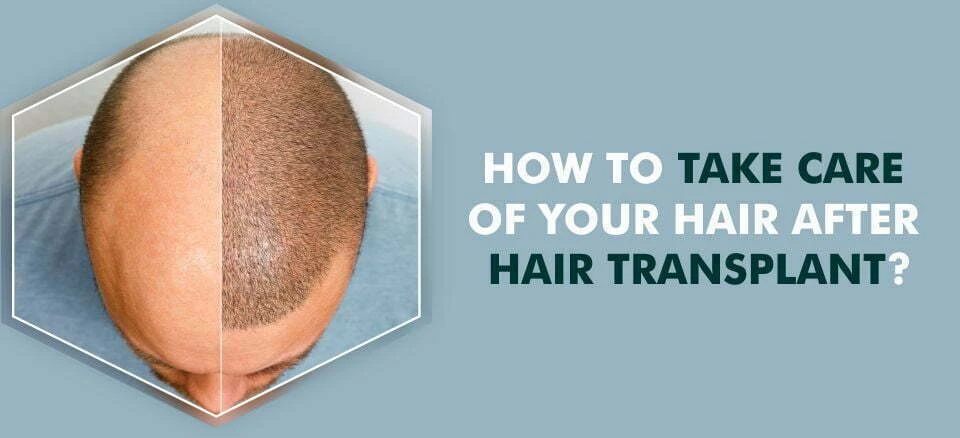
Transplanted hair typically sheds initially, a phase known as “shock loss,” and then regrows over several months.
What Success Looks Like
The success of Hair transplants in Long Island is not the same as full coverage. Even if most grafts survive, density and visual fullness depend on the quality of the donor hair, spacing, and the total number of grafts.
How Much Restoration You Should Expect
The total hair men can restore depends on several factors. Below are the key drivers and rough benchmarks.
Donor hair density & quality: If you don't have sufficient hair in this region, fewer usable grafts exist.
Extent of hair loss: Extreme baldness needs more grafts, and long stretches may be challenging to cover fully.
Scalp laxity, skin health & blood supply: These affect how well grafts survive and blend.
Surgeon proficiency and technique: Accurate harvesting and placement for Hair Restoration in Philadelphia eliminates damage and enhances yield.
Hair caliber and texture: Thick, coarse hair provides more coverage per graft than fine hair.
Hair angle, direction & natural pattern: Achieving a natural-looking result depends on matching existing patterns.
Benchmarks & Examples
A 1,000-graft transplant may yield 2,000 to 3,000 hairs (i.e., 2–3 hairs per graft in many men) in many cases.
Many providers of hair transplants on Long Island aim for 50–60% of the original density in moderate loss areas, compared to the original thickness of the hair.
For advanced or extensive baldness, full, dense coverage may require multiple procedures spaced over time to achieve optimal results.
You may not get back exactly what you once lost, but you can achieve a natural-looking, visible improvement in most cases.
Setting Your Own Realistic Goal
Here’s how you can frame and communicate your expectations:
Ask for a graft estimate
In your consultation request “How many grafts will I realistically receive and how densely can we place them?”
Request realistic visual simulations
Ask your clinic for photo simulations or past patients with a similar hair type.
Plan for a phased approach
Don’t expect all the density in one sitting; instead, aim to rebuild gradually.
Home on ‘good enough’ not ‘perfect’
If you restore a natural hairline with moderate density, that’s often the practical sweet spot.
Enquire about falling plans
What happens if some grafts fail or you want more density later? A reputable clinic will be transparent about your hair transplant in Long Island.
Conclusion
Hair Restoration in Philadelphia is a powerful decision, but it's not about reclaiming exactly what you had, it’s about achieving a believable, confidence-boosting result. With the right expectations, you increase your satisfaction, reduce disappointment, and align with your surgeon’s best capabilities.
























Sign in to leave a comment.