
The widespread shift from traditional lipstick to permanent lip color stems primarily from the desire for consistent, smudge-proof aesthetics combined with significant long-term time savings. Modern clients prioritize efficiency and natural-looking results; permanent makeup delivers both by depositing pigment into the dermal layer to create a tint that withstands eating, drinking, and active lifestyles without fading or transferring. By eliminating the daily need to outline, fill, and reapply products, individuals reclaim time and gain the confidence of knowing their appearance remains polished around the clock.
This cosmetic evolution moves beyond simple vanity. It addresses practical daily frustrations and structural concerns that topical makeup cannot permanently resolve. As techniques like "lip blushing" have refined the industry, heavy, tattoo-like outlines have been replaced by soft, watercolor-like washes. This technological advancement has made the procedure accessible and appealing to a broader demographic, ranging from busy professionals to those seeking to restore youthful definition lost to aging.
The Efficiency of a Maintenance-Free Routine
The primary driver for this transition is the elimination of "mirror checks." A standard lipstick user applies product three to five times a day. Over a year, this repetitive action consumes hours and mental energy.
Reclaiming Daily Time
Market data indicates that the average woman spends approximately 20 minutes per day on makeup application, with lip products accounting for a significant portion of touch-ups. Permanent lip color removes this step entirely. Mornings become streamlined as the base color is already perfect upon waking.
The "Gym-to-Dinner" Factor
For individuals with active lifestyles, traditional makeup fails. Sweat, humidity, and physical friction cause topical products to smear or disappear. Permanent pigment remains stable during high-intensity workouts, swimming, or long work shifts. This reliability allows a seamless transition from a yoga class to a business lunch without the need to carry a makeup bag.
Eliminating Transfer Anxiety
One of the most common complaints regarding traditional lipstick is its tendency to transfer onto teeth, coffee cups, clothing, or partners. This creates a subconscious anxiety where the individual constantly wonders if their makeup has migrated. Permanent lip color sits under the skin surface. It does not smudge, bleed into fine lines, or leave marks on glassware.
Financial Implications: A Cost-Benefit Analysis
While the upfront cost of a permanent makeup session is higher than a single tube of lipstick, the long-term math supports the investment.
The Hidden Costs of Traditional Makeup
High-quality lipsticks, liners, and glosses are recurring expenses. A consumer who purchases four high-end lipsticks a year, plus liners and balms, spends a significant amount over a three-year period.
Comparative Expense Table
The following table illustrates the financial difference between maintaining a traditional lip routine versus investing in permanent color over a typical three-year retention period.
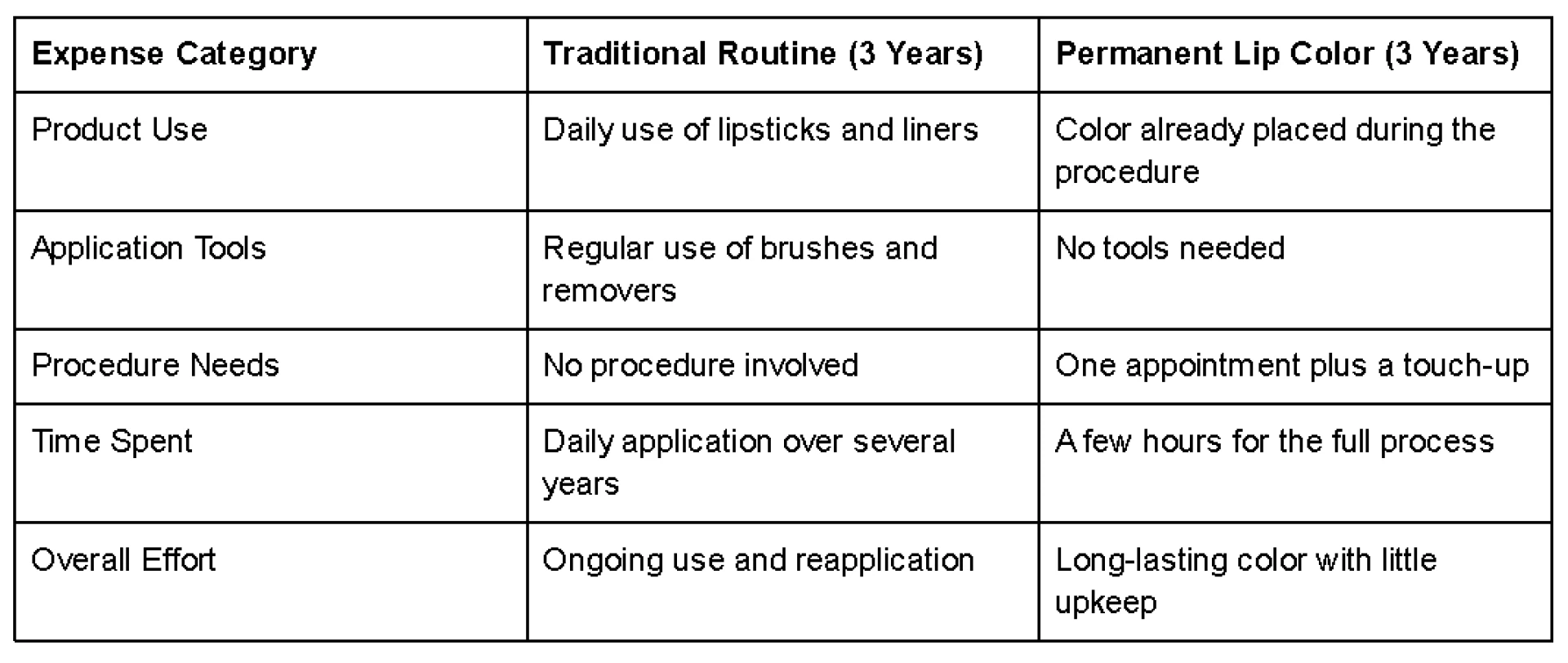 This comparison highlights that for regular makeup wearers, the procedure often pays for itself within the first two years.
Corrective Benefits and Anti-Aging
Makeup sits on top of the skin, meaning it can only hide imperfections, not correct them. Permanent makeup offers structural visual correction that topical products cannot achieve without constant reapplication.
Restoring the Vermilion Border
As the face ages, the natural pigment in the lips fades. The vermilion border—the sharp edge between the lip and the surrounding skin—often becomes blurry or disappears. This makes the lips look thinner and the face older.
Defining Shape Without Surgery
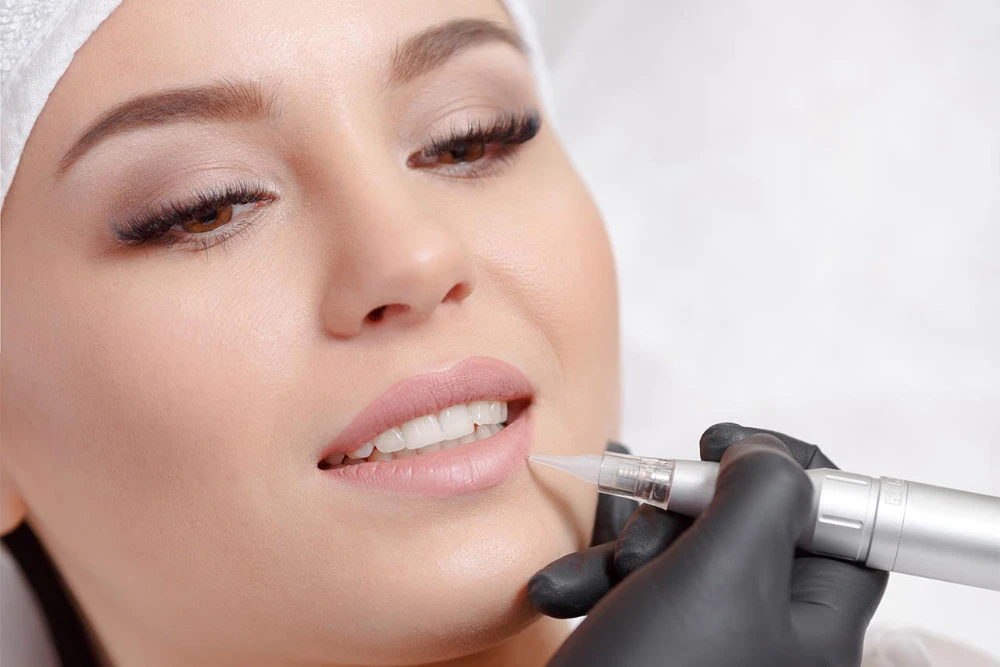
Artists use the procedure to redefine this border. By adding pigment back into the edges, they create the illusion of volume and structure. This restores a youthful mouth shape without the need for injectable fillers.
Neutralizing Dark Tones
Many individuals have cool or dark undertones in their lips, which can make them look pale or bluish. This is often genetic or caused by melanin production.
Color Correction Techniques
Topical lipstick can cover this, but it wears off. Permanent neutralization uses warm-based pigments (oranges and corals) to cancel out the cool tones permanently. This brightens the entire face and allows the client to wear sheer glosses that would otherwise not show up on darker lips.
Bonus Tip: Hyperpigmentation Management
For clients with melanin-rich lips, a specialized "neutralization" session is often required before adding the target color. This ensures the final pink or red tone looks true to color rather than turning muddy.
Regional and Climate-Specific Advantages
The environment plays a massive role in how makeup performs. Clients in specific climates find permanent solutions necessary rather than just optional.
Managing High Humidity
In regions with high humidity, traditional waxes and oils in lipstick melt and feather into the fine lines around the mouth. This "bleeding" effect looks messy and ages the appearance. Permanent pigment is immune to thermal changes. It stays crisp regardless of the heat index or moisture levels in the air.
Cold Weather Resilience
In cold, windy climates, lips often become dry and chapped. Applying matte lipstick over dry skin accentuates the flaking and looks unappealing.
The Texture Benefit
Because the color is internal, the surface texture of the lip remains natural. Clients can apply heavy-duty clear healing balms to combat the cold weather without worrying about smearing their color. The lips look healthy and tinted, even when covered in protective ointment.
Things to Consider Before Making a Decision
Despite the benefits, this switch requires careful thought. It is a semi-permanent tattoo, and reversal is difficult.
Color Commitment
One cannot wipe off the color at the end of the day. The chosen shade must be versatile enough for every occasion.
Stick to "My Lips But Better"
Experts recommend choosing a color close to the natural flush of the lip or two shades darker. One can always layer a bold lipstick on top of the permanent color for a special event, but one cannot lighten the permanent color for a neutral day.
Medical Contraindications
The lips are a sensitive area. Trauma to the lip tissue can trigger cold sores in individuals who carry the Herpes Simplex Virus.
Pre-Procedure Antivirals
Clients with a history of cold sores must take antiviral medication prescribed by a doctor for a few days before and after the appointment. This prevents an outbreak that could ruin the pigment retention.
Questions People Ask About Permanent Lip Color
Does the lip blushing procedure hurt?
The lips are vascular and sensitive, so some discomfort is expected. However, artists use highly effective topical anesthetics to numb the area before and during the process. Most clients describe the sensation as a strong vibration or scratching, similar to an electric toothbrush against the skin.
How long does the healing process take?
The surface healing takes about 5 to 7 days. During this time, the lips will feel dry and may peel. The color will disappear briefly (a phase called "ghosting") before blooming back to its true tone after four weeks.
Can I get lip blush if I have lip fillers?
Yes, the two treatments complement each other well. However, proper timing is essential. Clients must wait at least four weeks after getting filler injections before getting permanent makeup to ensure the filler has settled and the shape is stable.
Will it look like lipstick or natural lips?
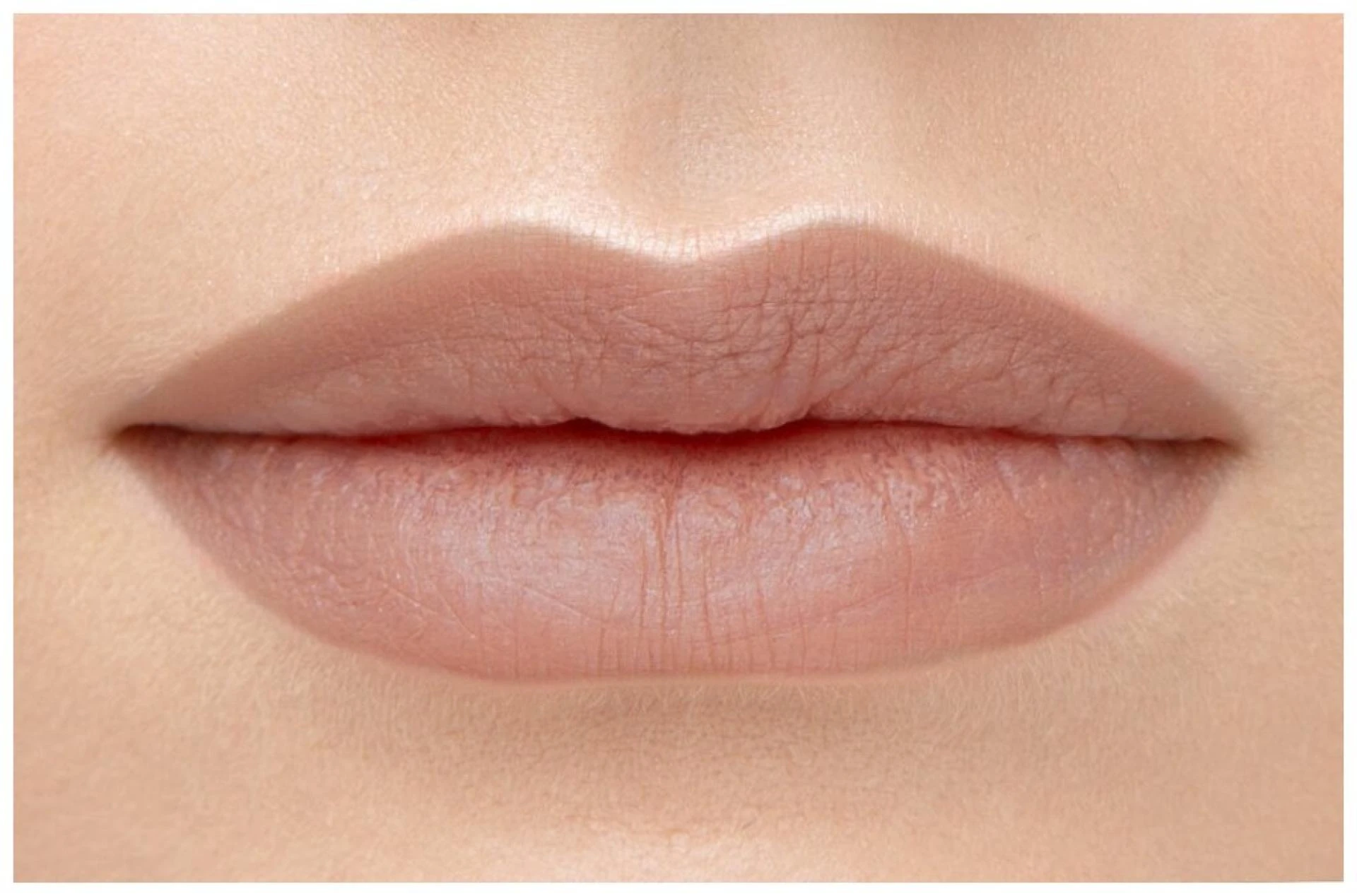
Modern techniques focus on a "lip blush" effect, which looks like a sheer tint or a lip stain rather than a solid, opaque lipstick. The goal is to enhance natural beauty, making the lips look healthy and flushed rather than heavily made up.
How often do I need a touch-up?
Lip pigment fades faster than brow pigment due to the high blood flow in the area and constant exfoliation. Most clients return for a color refresh every 18 to 24 months to keep the vibrancy.
Final Thoughts on the Lip Color Revolution
The movement toward permanent lip color represents a broader shift in beauty standards where convenience and natural aesthetics take precedence. Clients are trading the versatility of a makeup drawer for the reliability of a permanent solution. By fixing issues like asymmetry, fading pigment, and daily maintenance, this procedure offers a sense of freedom that traditional makeup cannot match. For those tired of the constant cycle of application and removal, the permanence of the result is not a risk, but a relief.
Professional Guidance and Next Steps
Achieving a flawless, natural-looking result requires the hand of a skilled artist who understands color theory and skin physiology. Studios like Perfect Place PMU by Iryna Sakharova specialize in creating custom lip blends that enhance the client's natural features while accounting for their specific skin undertones. They provide comprehensive consultations to ensure the chosen shade aligns with the client's long-term aesthetic goals.
For individuals ready to simplify their routine and wake up with defined, colorful lips, professional advice is the best starting point. Readers can contact the team at [email protected] or call (445) 214-7232 to discuss their specific needs or to learn more about the neutralization and blushing processes. Proper education ensures that the switch to permanent color is a satisfying and lasting investment.























Sign in to leave a comment.