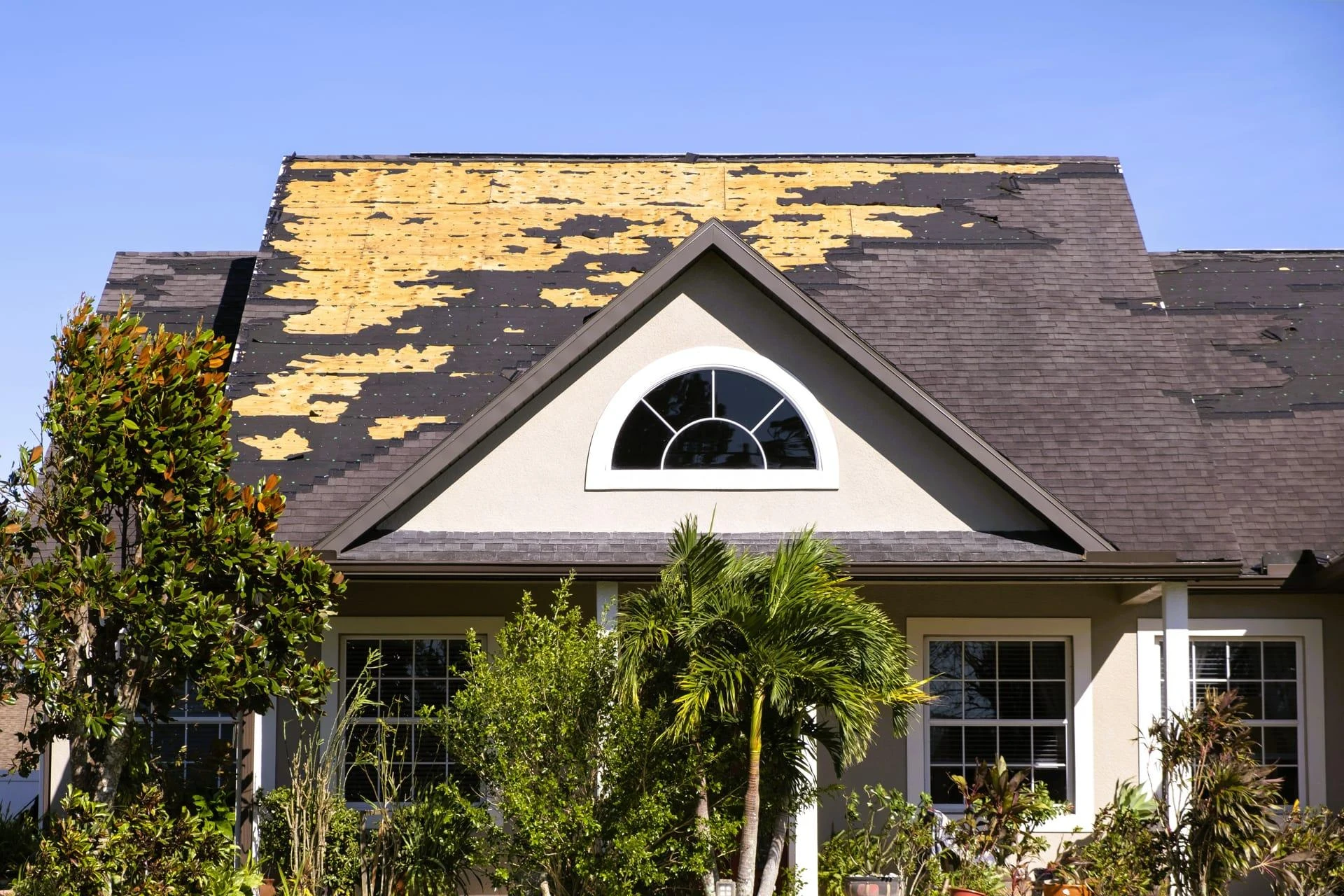

Storm damage deductibles often unsettle homeowners because the amounts feel heavy and the timing feels abrupt. High deductibles for storm damage stem from layered risk, decades of weather-related losses, and financial safeguards built into the insurance system. The discussion below explains how these deductibles operate and why insurers continue using them during severe weather cycles. Dragon Insurance Agency explains: “High storm deductibles exist because repeated storm losses require insurers to share risk with homeowners while keeping policies available.”
High Storm Damage Deductibles Explained
Experience across multiple storm seasons shows how quickly losses add up after major weather events. A homeowner may expect a familiar flat deductible, then encounter a percentage-based figure tied directly to the insured value of the home. Confusion escalates, stress increases, and household budgeting suddenly feels incomplete. The pattern repeats often.
- Storm losses arrive within short timeframes
- Claim totals exceed everyday repair costs
- Deductibles redistribute financial responsibility
1. Hurricane Loss Frequency
Hurricanes affect the Gulf and Atlantic coasts with notable regularity, and federal data reinforces that reality. NOAA storm records document repeated landfalls that generate billions in insured losses over time. Insurers watch frequency closely because recurring payouts strain long-term financial stability. Higher deductibles help offset that constant exposure.
- Frequent storms increase yearly claim volume
- Repeated payouts weaken reserve balances
- Deductibles reduce immediate financial strain
2. Wind Damage Exposure
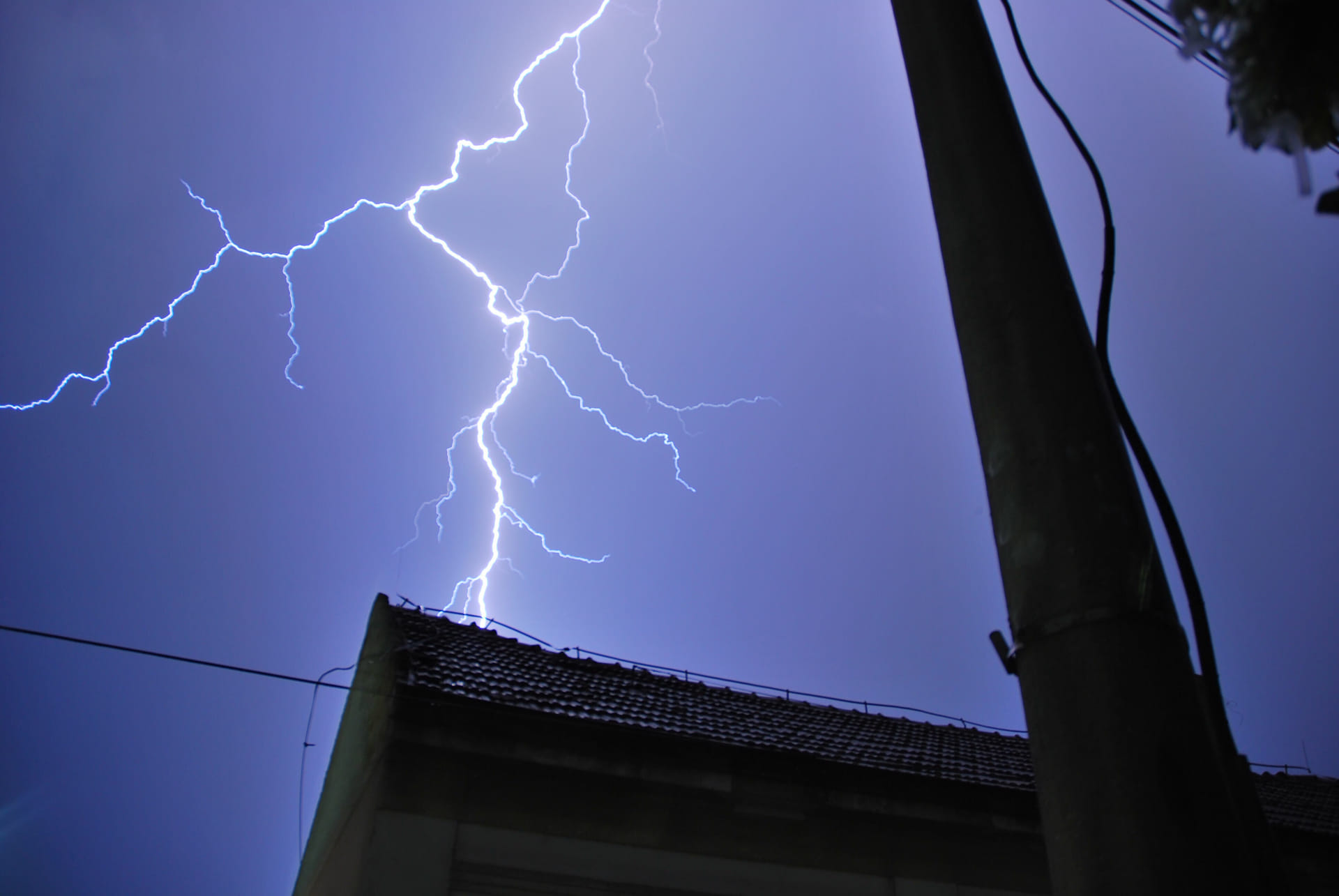
Wind damage behaves differently than isolated losses such as theft or appliance fires. FEMA damage assessments show wind-driven claims often impact roofs, siding, windows, and interior spaces simultaneously. Repairs multiply quickly, skilled labor becomes scarce, and costs climb fast. Deductibles help control claim pressure.
- Wind affects entire neighborhoods at once
- Repairs require multiple specialized trades
- Deductibles slow claim surges
3. Coastal Insurance Risk
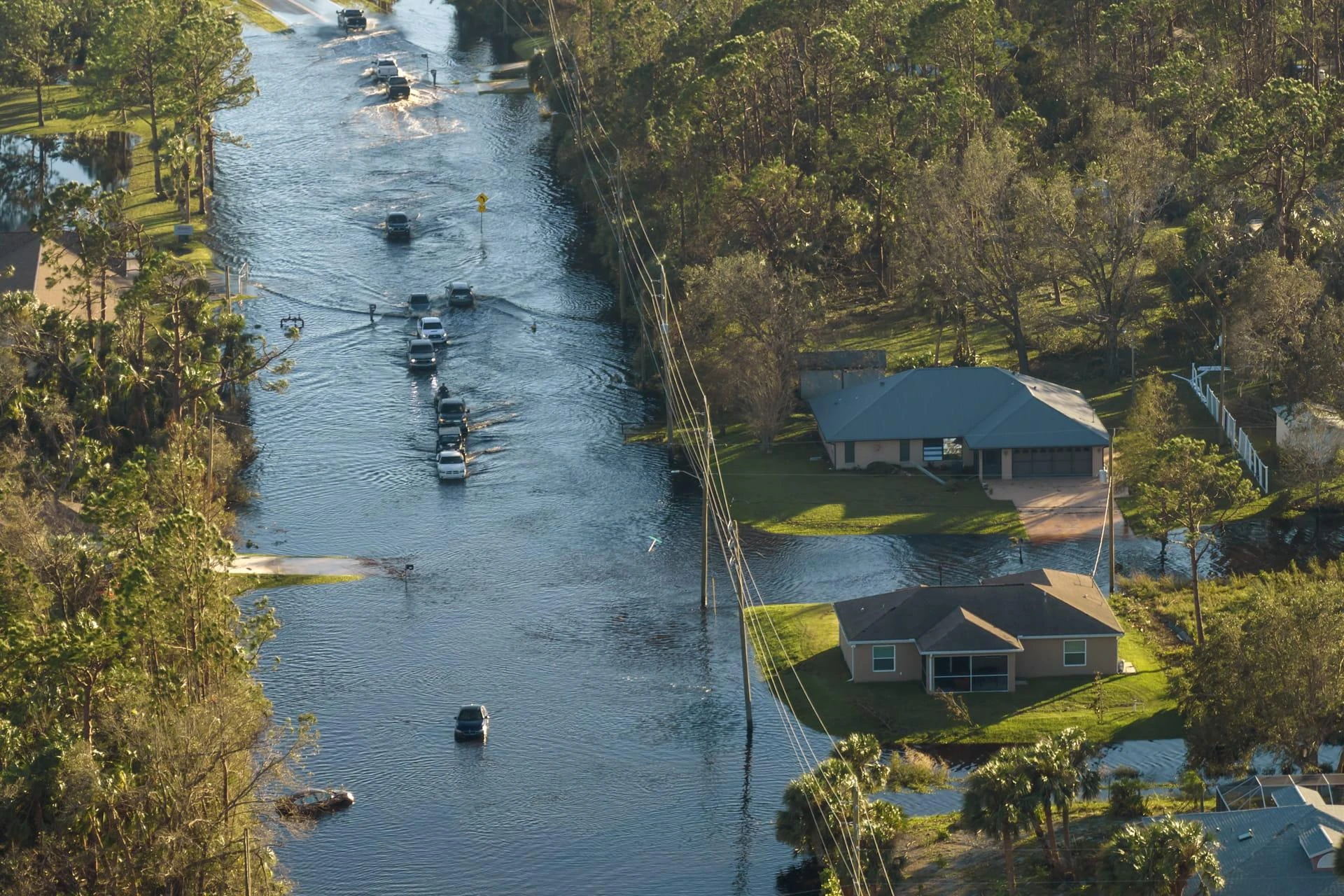
Geography plays a measurable role in storm-related insurance losses. Federal flood maps and hazard data show how proximity to water increases exposure to surge, sustained winds, and prolonged moisture. Insurers reflect that added volatility through higher storm deductibles rather than relying on standard flat amounts. Risk modeling follows geography closely.
- Storm surge intensifies wind damage
- Salt air accelerates material deterioration
- Geographic exposure raises loss probability
4. Reinsurance Cost Pressure
Insurance companies rarely absorb catastrophic losses alone. Reinsurance spreads storm risk globally, yet pricing has risen sharply according to the National Association of Insurance Commissioners. Higher reinsurance costs push insurers to rebalance financial responsibility. Deductibles absorb part of that pressure.
- Reinsurers cover extreme loss events
- Global disasters influence pricing trends
- Deductibles help manage rising expenses
5. Percentage Deductible Structure
Storm deductibles commonly apply as a percentage rather than a fixed dollar amount. Guidance from the Insurance Information Institute shows this structure scales deductibles with the home’s insured value. Larger homes represent larger exposure. Proportional cost sharing follows that logic.
- Percentages connect deductibles to dwelling limits
- Higher insured values increase deductible totals
- Structure aligns risk sharing with coverage size
6. State Insurance Regulations
Insurance laws permit insurers to apply storm-specific deductibles under defined conditions. Regulatory guidance balances consumer protection with market stability through disclosure requirements and oversight. Deductibles remain lawful tools within that structure. Guardrails remain in place.
- Regulations allow storm-based deductibles
- Disclosure rules support policy transparency
- Market stability shapes policy design
7. Claim Severity Patterns
Storm claims typically exceed everyday losses by a wide margin. FEMA disaster data shows hurricanes cause broad damage that often requires structural repairs rather than minor fixes. Insurers respond by setting higher thresholds before coverage applies. Severity influences those decisions.
- Storm claims surpass routine repair costs
- Labor and materials surge after disasters
- Deductibles filter smaller losses
How High Deductibles Shape Storm Coverage
High storm deductibles reflect an ongoing balance between keeping insurance available and managing financial exposure. Frequency, severity, reinsurance pricing, and regulatory structure interact continuously. Homeowners who understand these forces can plan ahead, budget realistically, and review insurance coverage with fewer surprises. Knowledge steadies expectations.
Key Takeaways on Storm Damage Deductibles
- Storm deductibles respond to frequent hurricane losses
- Wind damage creates widespread, high-cost claims
- Reinsurance pricing affects homeowner policies
- Percentage deductibles scale with home value
- Regulations allow storm-specific deductible structures





























Sign in to leave a comment.