

For businesses evaluating RECD mandatory for DG sets India, understanding the installation requirements is just as important as selecting the emission-control equipment itself. Diesel generator sets are used across factories, commercial buildings, hospitals, offices, warehouses, infrastructure facilities, and other locations where dependable power is essential. When an RECD is considered for an existing DG set, proper preparation can help ensure that the proposed system is technically suitable for the generator and practical for the site. A Retrofit Emission Control Device is designed to work with an existing generator exhaust arrangement and support the management of selected exhaust pollutants. However, installation should never be approached as a simple process of adding equipment to an exhaust pipe. Generator specifications, exhaust conditions, available space, operating patterns, maintenance access, and applicable regulatory requirements all need to be reviewed before work begins.
Start With the Existing Generator
The most useful starting point for an RECD installation is the DG set itself. Before selecting or installing any equipment, the generator's technical details should be collected and reviewed. Engine manufacturer, model, rated output, operating profile, exhaust configuration, and other relevant specifications can provide the foundation for determining whether a proposed system is suitable. Generator condition is also worth considering. An emission-control device operates as part of the overall exhaust system, so unresolved engine problems should not be overlooked. Issues related to combustion, fuel delivery, air intake, lubrication, or general maintenance may influence exhaust characteristics and should be addressed through appropriate generator servicing. A clear understanding of the existing equipment can prevent unsuitable equipment selection and help the installation team plan the retrofit more effectively.
Examine the Exhaust Arrangement
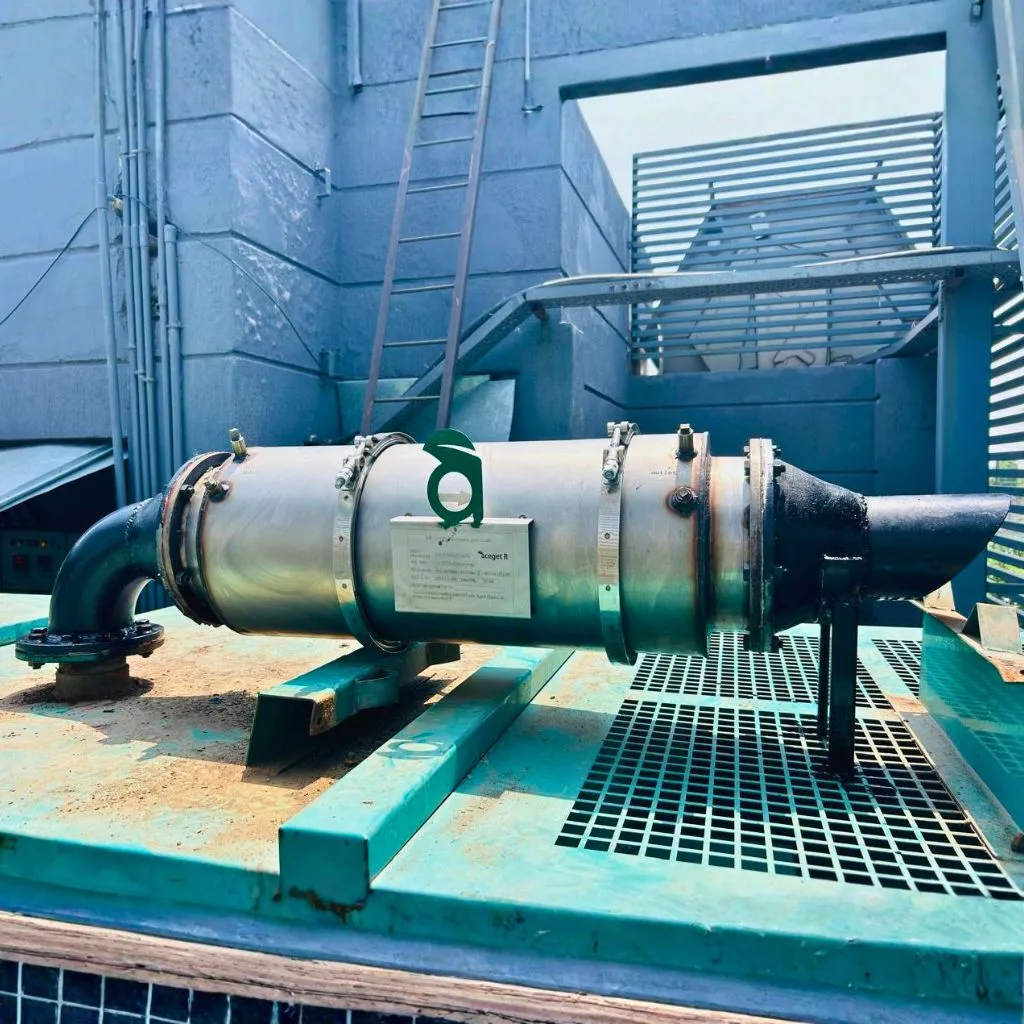
The existing exhaust system is one of the most important elements to assess before installation. An RECD needs to be incorporated into the exhaust route in a manner that supports the generator's technical operating requirements. The size and configuration of the exhaust pipe, number of bends, available straight sections, mounting arrangement, vertical or horizontal routing, and overall physical layout can all influence the installation. The proposed device should also be positioned where inspection and servicing can be performed without creating unnecessary difficulties. Exhaust backpressure deserves particular attention. Adding equipment to an exhaust route can increase flow resistance, so the selected system and installation arrangement should remain within the engine manufacturer's applicable limits. Technical assessment before installation can help identify potential issues rather than discovering them after commissioning.
Check Available Installation Space
Industrial and commercial generator rooms are not always designed with additional retrofit equipment in mind. Space may already be occupied by electrical equipment, ventilation systems, fuel arrangements, acoustic treatment, structural supports, or other services. Before installation, the proposed RECD location should therefore be assessed carefully. Measurements of available space and access routes can help determine whether the equipment can be installed and subsequently serviced. Access is particularly important. An emission-control system may require periodic inspection or maintenance, and a device installed in an extremely restricted location can make routine servicing unnecessarily complicated. Planning sufficient working space around the equipment can support easier long-term maintenance.
Consider Generator Operating Conditions
A DG set's operating pattern can influence how an emission-control system should be selected and installed. Some generators are used only during electrical outages, while others may operate for extended periods as part of industrial or commercial power requirements. Load conditions can also vary significantly. A generator may run at different loads throughout its operating life, and exhaust characteristics can change with operating conditions. Environmental factors such as ambient temperature and installation conditions may also influence generator operation. Providing accurate operating information to the RECD supplier can therefore be valuable. Details about expected running hours, typical load conditions, and the intended use of the generator can help the supplier evaluate the proposed system more appropriately.
Understand the Proposed RECD Technology
Not all emission-control systems operate in exactly the same way. Different RECD designs can use different treatment mechanisms and may have different installation, operating, and maintenance requirements. Before installation, the facility team should understand what the selected technology is intended to control, what operating conditions it requires, and what technical limitations apply. Product documentation should be reviewed rather than relying solely on general descriptions. This is particularly useful when multiple generators are present at one facility. Even if the DG sets appear similar, differences in engine models or exhaust configurations can affect the suitability of a particular RECD system.
Review Installation and Structural Requirements
An RECD may add weight and physical load to an existing exhaust arrangement. The installation therefore needs to consider suitable support and mounting provisions. Depending on the system and site configuration, additional supports, brackets, connections, insulation, or modifications may be required. These should be assessed before installation rather than improvised during the installation process. The surrounding environment should also be considered. Heat exposure, ventilation, nearby equipment, accessibility, and safe working conditions can influence where the equipment should be positioned. A well-planned installation should provide both appropriate exhaust integration and practical access for future inspection.
Plan for Maintenance From the Beginning
Maintenance should be considered before the RECD is installed, not after the equipment has been commissioned. Depending on the technology, the system may include components requiring inspection, cleaning, replacement, or periodic servicing. The facility team should understand the manufacturer's recommended maintenance approach and determine how it will fit into the existing DG maintenance schedule. If the generator operates frequently, the emission-control system may require more regular attention than equipment installed on an infrequently used standby generator. Availability of replacement components is another practical consideration. Before finalizing the installation, buyers should understand how service parts will be sourced and what technical support the supplier can provide.
Verify Applicable CPCB Requirements
Regulatory verification is an essential part of planning an RECD installation. CPCB requirements and related environmental provisions can be revised, and applicability may depend on factors such as the generator, engine specifications, installation circumstances, and other applicable conditions. When comparing CPCB approved RECD manufacturers, buyers should review the documentation associated with the specific product rather than assuming that a general manufacturer statement establishes compliance for every application. Facilities should verify current official CPCB requirements and any applicable requirements from relevant local authorities before purchasing or installing an RECD. Where testing, certification, or performance documentation is applicable, those records should be reviewed carefully. This verification process helps ensure that the technical decision is based on current information rather than outdated assumptions or generalized marketing claims.
Coordinate Installation With Generator Operations
Installing an RECD may require temporary changes to generator availability. For facilities that rely heavily on backup power, installation timing should therefore be planned carefully. The site team should understand how long the installation may take and whether temporary power arrangements are required. Coordination between the generator operator, electrical team, installation contractor, and facility management can help reduce disruption. For sites with multiple DG sets, installation can potentially be planned in stages so that available generation capacity is considered throughout the work.
Check Post-Installation Requirements
The installation process does not end when the RECD is physically connected. Commissioning, inspection, documentation, and maintenance planning should also form part of the overall project. The facility should retain relevant equipment documentation, installation information, maintenance recommendations, and other applicable records. This can make future servicing and troubleshooting easier. Operators should also be familiar with any operating limitations or inspection requirements specified by the equipment manufacturer. Proper handover can help ensure that the system continues to be managed correctly after installation.
Conclusion
Installing an RECD for a diesel generator requires careful preparation rather than simply selecting a device and connecting it to the exhaust line. Generator specifications, exhaust configuration, backpressure considerations, available space, operating conditions, structural support, maintenance access, and installation planning all contribute to a successful retrofit project. Regulatory considerations should receive equal attention. Businesses should verify the latest official CPCB requirements applicable to their particular DG set and review relevant technical or testing documentation before proceeding. A manufacturer or supplier's general claim should not be treated as a substitute for application-specific regulatory verification. For organizations considering RECD technology, Aceget provides emission-control solutions and technical information for diesel generator applications.
Frequently Asked Questions
What should be checked before installing an RECD?
The generator specifications, exhaust configuration, available installation space, operating conditions, backpressure requirements, mounting arrangement, maintenance access, and applicable regulatory requirements should be evaluated before installation.
Can an RECD be installed on an existing diesel generator?
Yes, RECD technology is designed as a retrofit approach for existing generator applications, but suitability depends on the specific generator, exhaust system, operating conditions, and technical requirements of the proposed equipment.
Why is exhaust backpressure important during RECD installation?
Adding an emission-control device to the exhaust route can increase flow resistance. The installation should therefore be designed within the engine manufacturer's applicable backpressure limits.
Does every RECD installation meet CPCB requirements automatically?
No. Regulatory status should not be assumed simply because an RECD has been installed. Current official CPCB requirements and relevant product documentation should be verified for the specific application.
How should RECD maintenance be planned?
Maintenance should follow the equipment manufacturer's recommendations and be coordinated with the generator's operating schedule. Inspection, servicing, replacement components, and service access should all be considered during installation planning.

















Sign in to leave a comment.