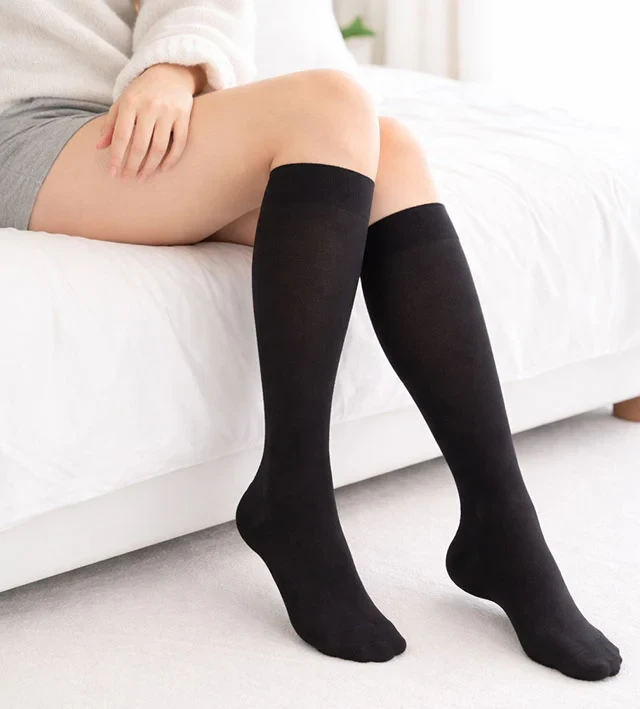

Compression socks are specially designed garments that apply graduated pressure to your legs, helping to improve blood circulation, support muscles, and promote overall leg health. Pressure is measured in millimeters of mercury (mmHg), a standard unit used in medical settings to quantify compression strength. Most everyday compression socks fall within the 15–20 mmHg range, offering mild support suitable for daily wear. However, 20–30 mmHg compression socks for women provide a moderate to firm level of pressure, making them ideal for addressing more noticeable symptoms such as swelling, fatigue, and certain medical conditions, such as varicose veins or pregnancy-related discomfort.
Knee-high 20–30 mmHg compression socks are designed to apply the highest pressure at the ankle (around 30 mmHg), gradually decreasing toward the calf (around 20 mmHg). This graduated compression helps encourage blood flow back toward the heart and prevents blood from pooling in the lower legs. In this article, we’ll explore how this compression level differs from others and why it’s especially beneficial for women.
How 20–30 mmHg Compression Differs from Other Levels
The key difference between compression sock levels lies in the amount of pressure they apply.
- 15–20 mmHg (Mild Compression)
This level is best suited for everyday comfort. It’s ideal for people who sit or stand for long hours and experience mild swelling or fatigue. These socks are comfortable for all-day wear and are often used for preventive care.
- 20–30 mmHg (Moderate to Firm Compression)
This level provides stronger support and is commonly used to manage moderate varicose veins, swelling (edema), post-surgical recovery, and the early stages of venous insufficiency. It offers a more therapeutic effect compared to mild compression.
- 30–40 mmHg (Firm/Medical Grade Compression)
This higher level is typically recommended for more serious conditions, such as severe edema, chronic venous insufficiency, or after certain medical procedures. A healthcare professional often prescribes it.
Benefits of 20–30 mmHg Compression Socks
Below are some top benefits of wearing 20-30 mmHg knee-high compression socks:
1. Encourage Healthy Circulation
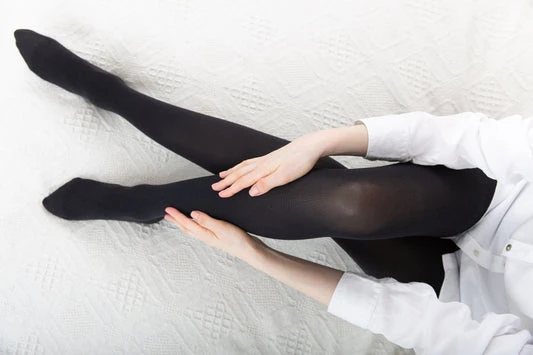
One of the most important benefits of compression socks is improved blood circulation. By applying graduated pressure, these socks help veins push blood back toward the heart more efficiently. This reduces the risk of blood pooling in the legs, which can lead to swelling and discomfort. They also support lymphatic drainage, helping your body remove excess fluids and toxins more effectively. This makes them especially helpful for individuals at risk of varicose veins or blood clots.
2. Reduce Fatigue and Swelling
If you often experience heavy, tired, or swollen legs, 20–30 mmHg compression socks can provide noticeable relief. They help prevent fluid buildup in the lower legs, particularly during long periods of sitting or standing. Additionally, the gentle pressure creates a massaging effect that soothes muscles and reduces discomfort, which helps you feel more energized and supported throughout the day.
3. Enhance Recovery and Prevent Injury
Athletes and active individuals widely use compression socks because they promote faster recovery. Improved circulation means more oxygen and nutrients are delivered to the muscles, helping them repair and recover efficiently after exercise. They can also reduce muscle soreness and minimize the risk of injury by stabilizing muscles and supporting tendons. Whether you’re recovering from a workout or an injury, compression socks can help speed healing.
Who Should Consider 20–30 mmHg Compression Socks?
These specialized socks are ideal for a range of activities and health needs, enhancing your comfort and well-being. Let’s discover who should consider a 20-30 mmHg compression level.
1. People Who Sit or Stand for Extended Period
If your daily routine involves long hours at a desk or standing on your feet, you’re more likely to experience poor circulation and leg fatigue. Compression socks help counteract these effects by improving blood flow and supporting your lower limbs throughout the day.
2. Athletes and Fitness Enthusiasts
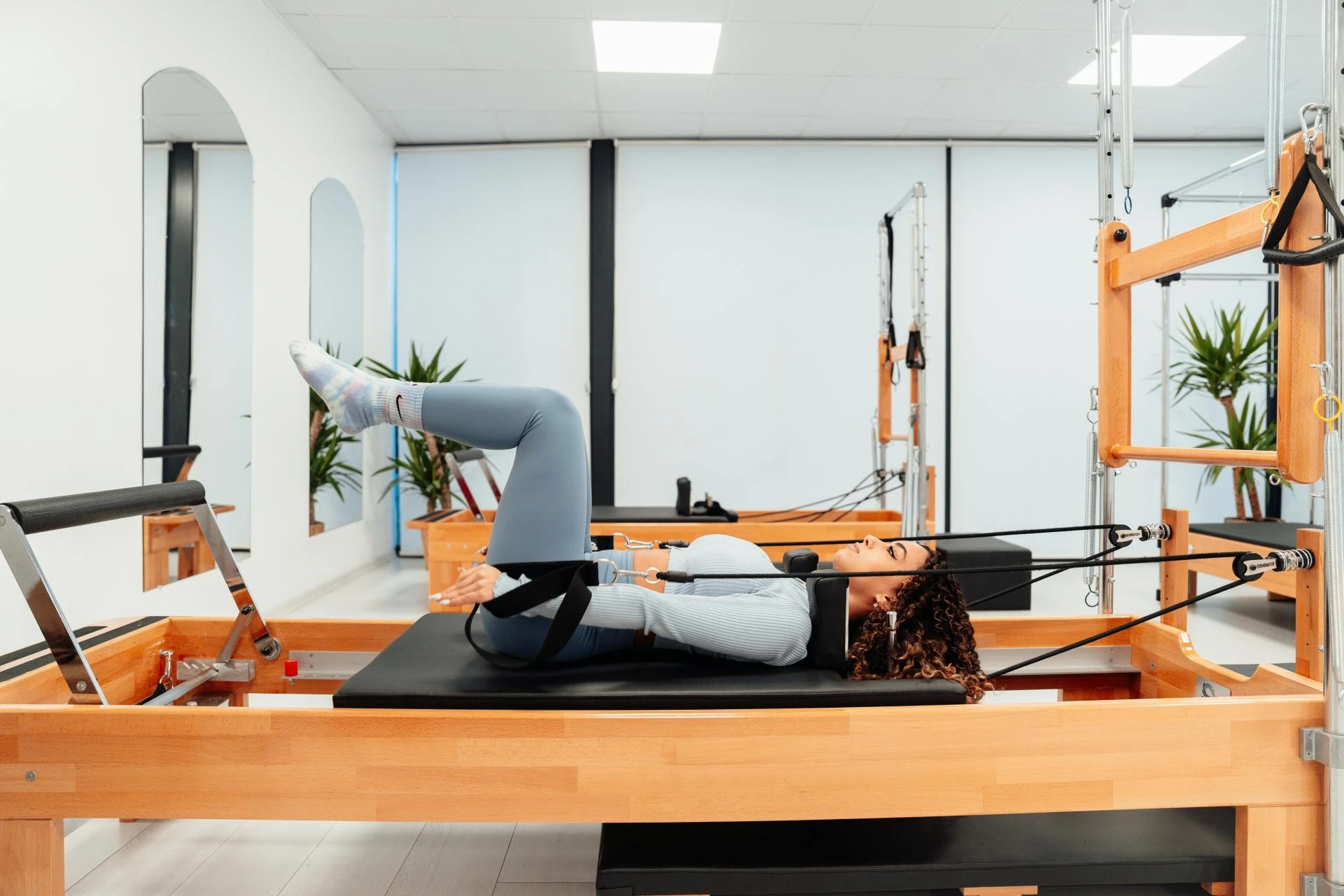
Runners, cyclists, and gym-goers often benefit from moderate compression. While mild compression may be sufficient for casual activity, those engaging in intense or prolonged workouts can gain more from the added support of 20–30 mmHg socks.
3. Individuals with Medical Needs
This compression level is often recommended for conditions such as moderate varicose veins, swelling, and early venous insufficiency. It can also be helpful during pregnancy or post-surgical recovery, though it’s always best to consult a healthcare professional for specific medical advice.
4. Frequent Travelers
Long flights or road trips can restrict blood flow due to prolonged sitting. Compression socks help prevent swelling and reduce the risk of circulation-related issues during travel, making them an essential item for frequent flyers.
Why Choose SNUG360 Knee-High 20–30 mmHg Compression Socks
When it comes to combining comfort, support, and performance, SNUG360 knee-high 20–30 mmHg compression socks are an excellent choice for women seeking reliable leg care. If you are searching for quality knee-high 20-30 mmHg compression socks for women, our socks deliver targeted pressure that helps maximize circulation while ensuring all-day comfort. Whether you’re managing swelling, staying active, traveling, or simply looking for better leg support during long workdays, these socks offer the perfect balance of medical-grade effectiveness and everyday wearability.

























Sign in to leave a comment.