Red light therapy has become one of the most talked-about non-invasive wellness treatments in recent years. From skincare benefits like reducing wrinkles to therapeutic uses such as pain management and muscle recovery, red light therapy lights are now widely used at home and in clinics. However, many people with darker skin tones wonder: does red light therapy work differently on their skin, and are there special guidelines to follow?
In this blog, we’ll break down how red light therapy works, what the research says about its effects on different skin tones, and how to choose the best red light therapy device—such as a Mito Red Light panel—for safe and effective results.
How Does Red Light Therapy Work?
Red light therapy uses low-level wavelengths, typically between 630–850 nanometers, to penetrate the skin. Unlike UV rays, red and near-infrared light are safe and non-damaging. Instead, they stimulate the mitochondria in cells to produce more ATP (energy), which fuels cellular repair and regeneration.
When used consistently, red light therapy lights can:
Boost collagen production for smoother, younger-looking skin
Improve circulation and oxygenation
Reduce inflammation and pain
Speed up recovery from injuries
Support hair regrowth
These benefits are well-documented across a variety of skin types and tones.
Does Darker Skin Respond Differently?
The main factor that makes darker skin unique is the higher melanin content. Melanin absorbs more light, which is why people with darker complexions can sometimes require different approaches in laser or intense pulsed light (IPL) treatments. However, red and near-infrared light are much gentler and penetrate deeper than visible light, making them generally safe for all skin tones.
Clinical studies have shown that red light therapy lights are effective across the spectrum of skin types. Unlike harsher lasers, there is no increased risk of burns or hyperpigmentation when using FDA-cleared red light devices. That said, there are a few guidelines worth noting:
1. Start with Lower Exposure
Since melanin may absorb some of the light energy, individuals with darker skin may benefit from starting with shorter treatment times and gradually increasing as tolerated.
2. Prioritize Consistency Over Intensity
Rather than using very high-powered sessions occasionally, consistent lower-dose treatments tend to deliver better results for all skin types.
3. Monitor Skin Response
Everyone’s skin responds differently. Some users may notice quicker improvements in tone and texture, while others may take longer. Tracking your progress will help adjust treatment frequency.
Choosing the Best Red Light Therapy Device
Not all devices are created equal, and results depend heavily on quality. When shopping for the best red light therapy device, consider the following:
Wavelength Range: Look for 630–660 nm (red light) and 810–850 nm (near-infrared), as these have been most studied.
Device Size: Larger panels, like the Mito Red Light panel, allow for full-face or even full-body treatments, offering better coverage.
Power Output: Ensure the device delivers sufficient irradiance to penetrate effectively without being unsafe.
Safety Certifications: FDA-cleared devices provide peace of mind.
A Mito Red Light panel is a popular choice because it offers professional-grade power, multiple wavelengths, and coverage for both targeted and whole-body use.
Treatment Guidelines for Darker Skin
For individuals with darker skin tones considering red light therapy, here are some practical recommendations:
Begin with 5–10 minute sessions, 3–4 times per week.
Use the device at a distance of 6–12 inches from the skin.
Gradually increase session length to 15–20 minutes as your skin adapts.
Always pair with proper skincare, including hydration and sun protection.
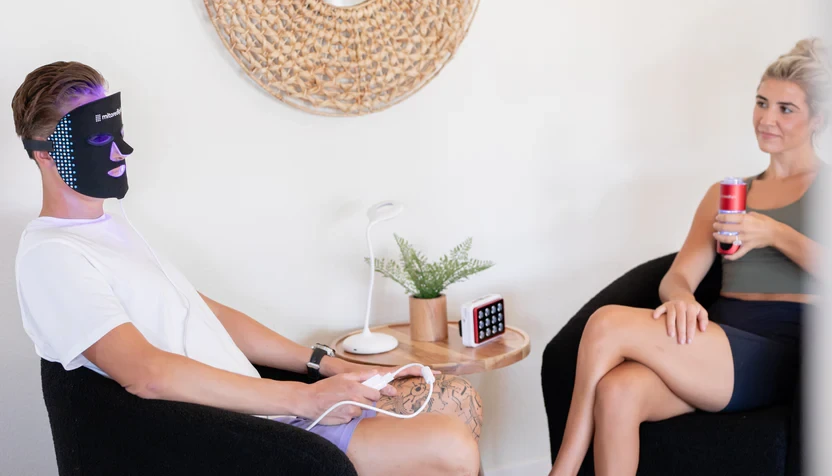
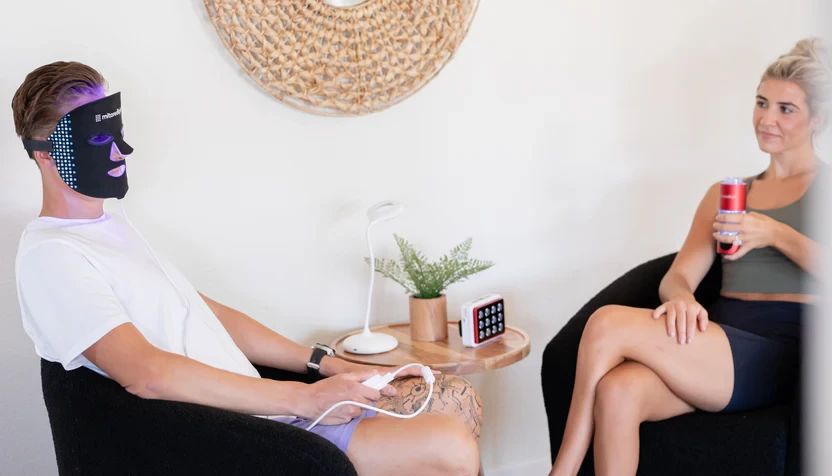
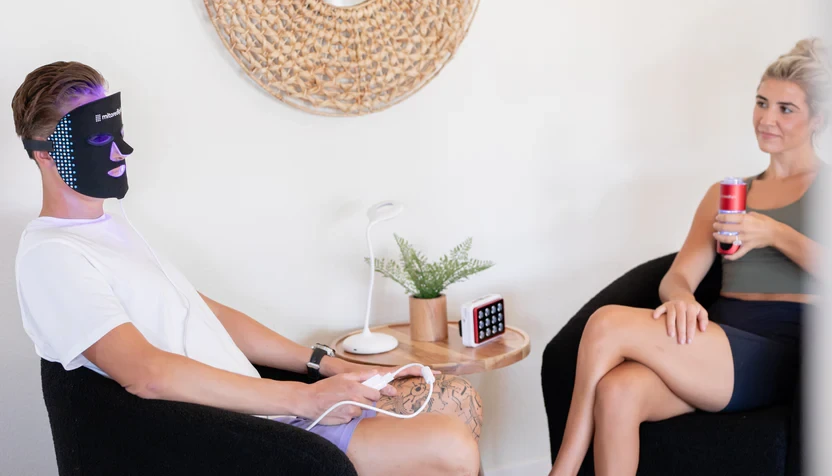
These guidelines apply whether you’re using a handheld device, a mask, or a Mito Red Light panel at home.
Final Thoughts
Red light therapy is one of the safest and most effective non-invasive treatments for people of all skin tones, including darker skin. Unlike harsher light-based procedures, red light therapy lights do not carry the same risks of hyperpigmentation or burns. With consistent use of the best red light therapy device, you can enjoy benefits like improved skin texture, reduced inflammation, and overall cellular rejuvenation.
The key is consistency, patience, and choosing a high-quality device such as the Mito Red Light panel to ensure safe, effective, and long-lasting results.




























Sign in to leave a comment.