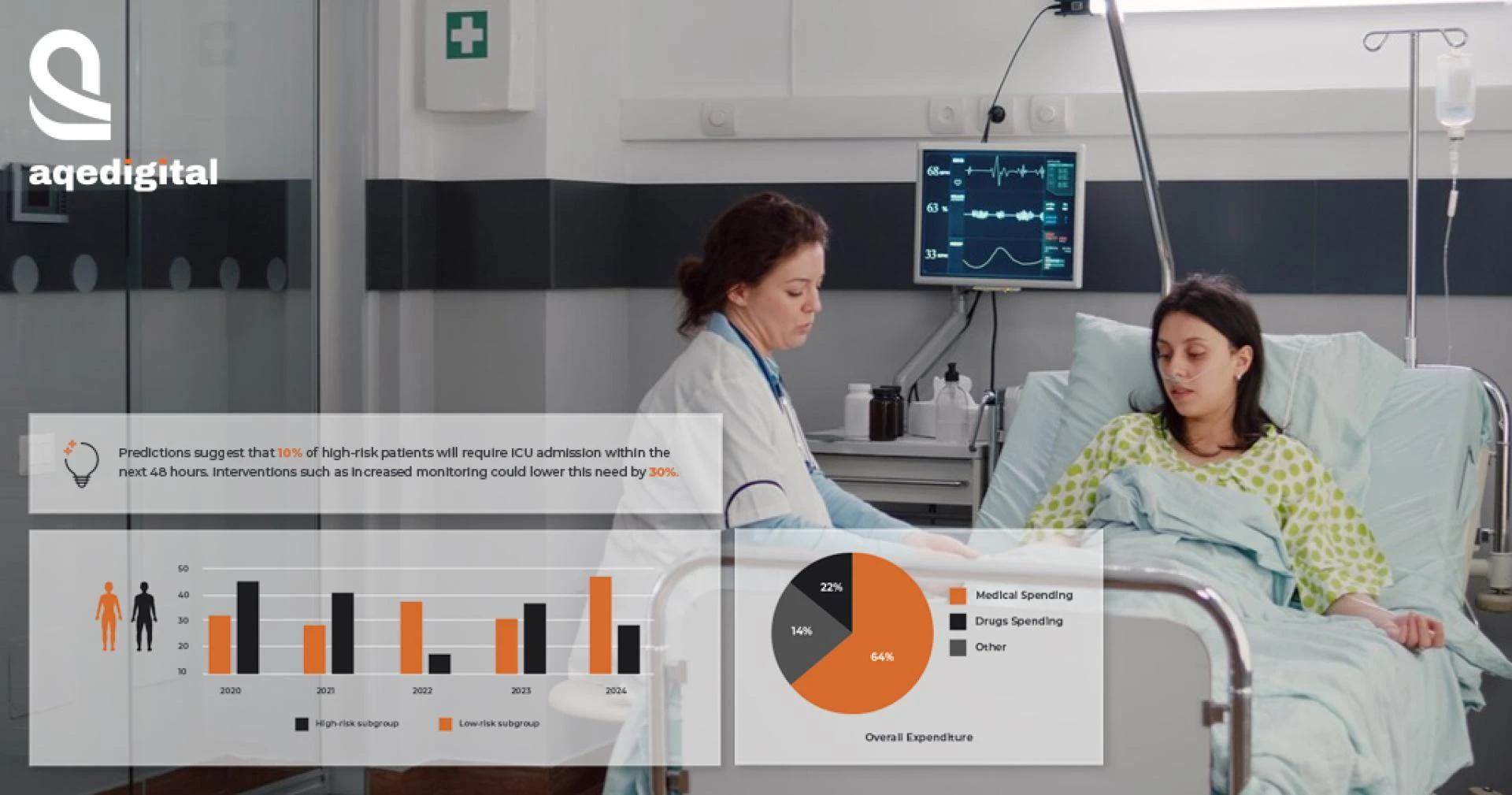

Hospital readmissions are a significant concern, with nearly 20% of patients returning within 30 days of discharge, leading to $41 billion in preventable healthcare costs each year. These readmissions don’t just burden hospital finances—they also contribute to worsened health outcomes, longer recovery times, and increased patient risks.
For patients, readmissions mean more complications and delayed recovery. For hospitals, it translates to increased pressure, resource strain, and potential damage to reputation.
How AI is Transforming Healthcare and Reducing Readmissions
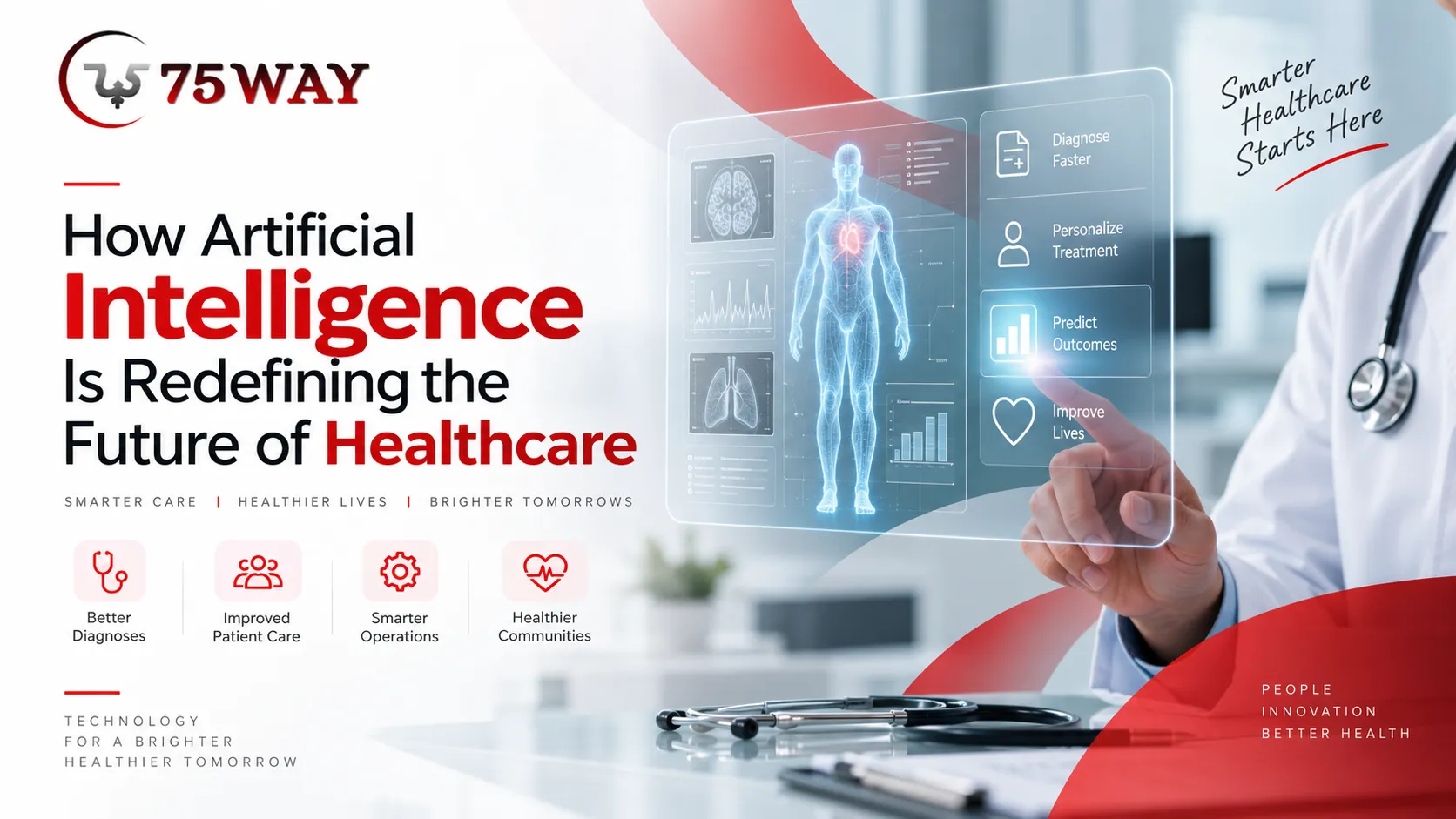
The key to lowering readmissions isn't just financial—it's about improving patient care and making hospital operations more efficient. AI-powered solutions are proving instrumental in this process, helping hospitals reduce readmissions by up to 45%. These tools not only enhance patient outcomes but also streamline hospital operations and drive cost savings.
Why Hospitals Are Turning to AI for Readmission Reduction
Hospitals manage vast amounts of data, from patient histories and lab results to real-time vitals. Sifting through this data manually can be overwhelming. However, AI can process this information and generate actionable insights, identifying high-risk patients early and reducing the chances of readmissions.
With AI, hospitals can have an intelligent assistant that continuously analyzes patient data and provides real-time risk assessments, saving both time and resources.
AI Solutions Reducing Readmissions by 45%
- Predictive Analytics: Identifying At-Risk Patients Early
- AI uses predictive analytics to analyze patient data—such as medical history, lab results, and vitals—to identify those at risk of readmission. By recognizing high-risk patients early, healthcare providers can adjust care plans to reduce readmission rates and improve patient outcomes, saving hospitals up to $5.5 billion annually.
- Risk Stratification: Personalized Care Plans
- AI classifies patients based on their likelihood of readmission, enabling hospitals to focus on high-risk individuals. By analyzing factors like chronic conditions and discharge status, AI supports the creation of personalized care plans that improve outcomes and reduce readmission costs.
- Early Warning Systems: Detecting Issues Before They Escalate
- AI-powered Early Warning Systems (EWS) monitor patient data in real time and alert healthcare providers to potential complications. This allows for quicker intervention, reducing readmissions and improving patient care by up to 60%.
- Outbreak Prediction: Preparing for Healthcare Crises
- AI tools predict potential outbreaks by analyzing global and local data, helping hospitals prepare for flu seasons or infections. By responding quickly to predicted surges, hospitals can prevent readmissions caused by avoidable outbreaks.
- Improved Care Coordination: Streamlining Communication
- AI integrates data across platforms, ensuring that healthcare teams remain informed and aligned. This enhances patient care and decreases readmission risks, as patients are more likely to follow discharge plans and attend follow-up appointments, cutting readmissions by 40%.
- Transition Management: Seamless Discharge Planning
- AI creates personalized discharge plans, reminds patients of appointments, and monitors medication adherence. This reduces post-discharge complications by 50%, lowering readmission chances.
- Real-Time Monitoring: Continuous Tracking of Patient Health
- AI-powered wearables and sensors track patient vital signs around the clock, alerting providers to any deterioration in health. This real-time monitoring ensures early intervention and a dramatic reduction in readmission rates.
- Remote Patient Monitoring: Caring for Patients Beyond the Hospital
- AI-driven remote monitoring systems track patients' health at home, alerting providers when vital signs deviate from expected ranges. This proactive approach ensures that patients receive timely interventions, improving post-discharge care and preventing readmissions.
- Clinical Decision Support Systems (CDSS): Informed Treatment Decisions
- AI-powered CDSS helps healthcare providers make better treatment decisions by analyzing patient data. These systems improve treatment accuracy, reduce complications, and contribute to a 25% reduction in readmission rates.
- Diagnostic Assistance: Enhancing Diagnostic Accuracy
- AI tools assist healthcare providers in analyzing diagnostic images and lab results to detect early signs of health issues. Early diagnosis, facilitated by real-time data, ensures that conditions are addressed before they escalate, minimizing the need for readmissions.
- Drug Interaction Predictions: Preventing Adverse Effects
- AI can predict harmful drug interactions by cross-referencing patient records, preventing side effects that may lead to readmissions. Hospitals that implement AI systems to track drug interactions have reduced adverse drug reactions by 20%.
























Sign in to leave a comment.