Transitional care management is at the heart of improving patient outcomes and reducing hospital readmissions. As the healthcare ecosystem continues to evolve, technology is playing an increasingly critical role in transforming how care is coordinated between settings. From electronic health records to telehealth and artificial intelligence, new technology trends are paving the way for more efficient, patient-centric transitional care management.
In this article, we’ll explore the top technology trends accelerating transitional care management success, why they matter, and how healthcare organizations can leverage them to deliver higher quality care.
Why Is Transitional Care Management Important?
Transitional care management (TCM) encompasses the services and support provided to patients as they move from one healthcare setting to another, such as from hospital to home or to a skilled nursing facility. The goal of TCM is to ensure continuity of care, prevent complications, and avoid unnecessary readmissions.
Effective transitional care management is essential for:
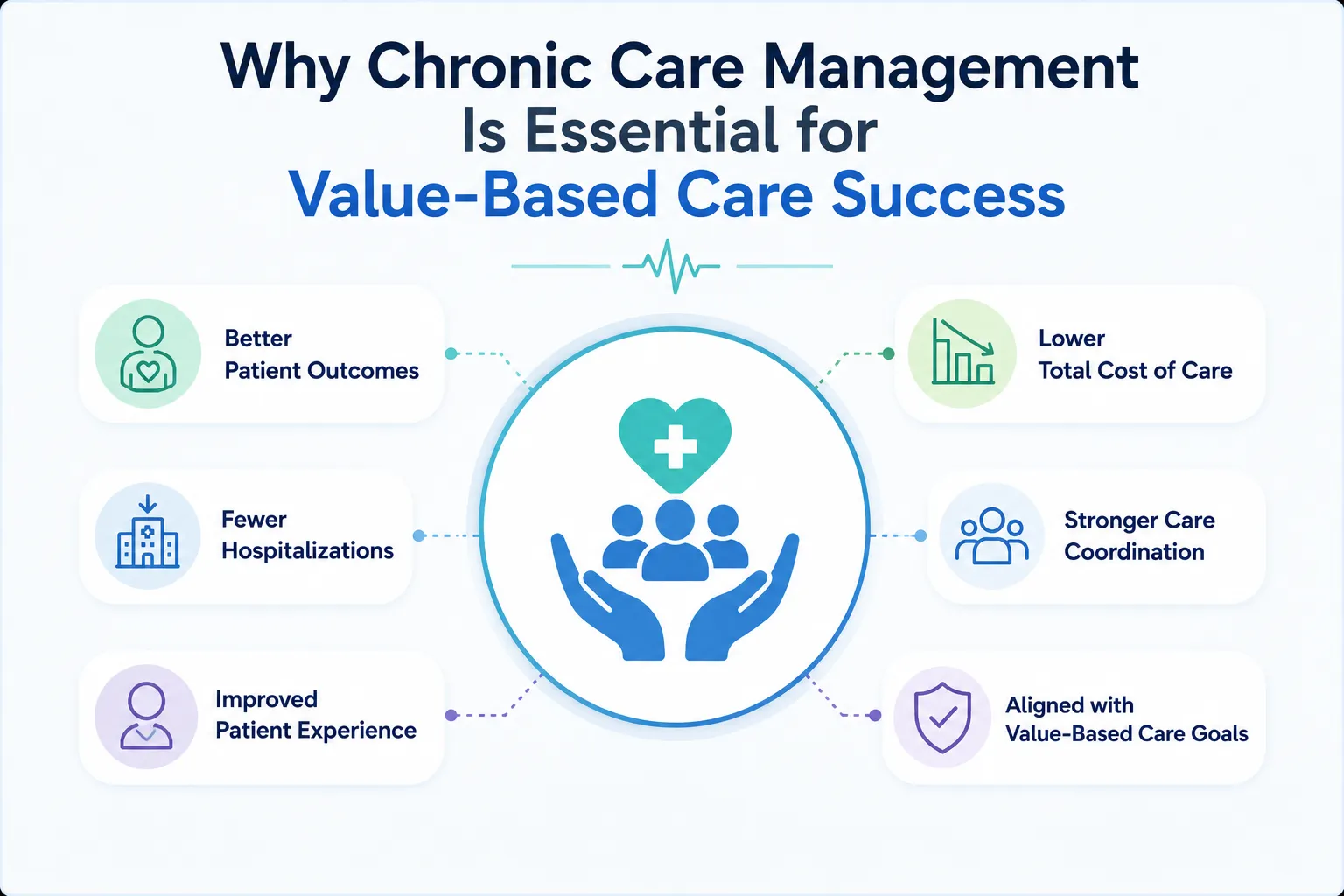
- Reducing hospital readmissions and associated costs
- Enhancing patient satisfaction and outcomes
- Streamlining communication among care teams
- Meeting regulatory requirements and value-based care goals
Now, let’s dive into the technology trends making a real difference in transitional care management.
Electronic Health Records (EHRs) and Interoperability
One of the biggest challenges in transitional care management is the seamless transfer of patient information between providers. Electronic Health Records (EHRs) are changing the game by digitizing patient records and facilitating real-time data sharing.
Key benefits of EHRs in transitional care management include:
- Immediate access to the latest patient information
- Reduction of errors during handoffs
- Streamlined medication reconciliation
- Improved communication between primary care, specialists, and post-acute care providers
Interoperability is the next step, ensuring that different EHR systems “talk” to each other. By breaking down data silos, interoperability enables a more holistic view of the patient’s health journey, which is vital for successful transitional care management.
Telehealth and Remote Patient Monitoring
Telehealth has seen explosive growth, especially in the wake of the COVID-19 pandemic. For transitional care management, telehealth tools such as video consultations and remote monitoring devices provide a lifeline for patients and providers alike.
How telehealth supports transitional care management:
- Enables timely post-discharge follow-ups without the need for in-person visits
- Supports remote monitoring of vital signs and symptoms, allowing for proactive interventions
- Increases patient engagement and satisfaction
- Reduces transportation and logistical barriers for high-risk or mobility-challenged patients
Remote patient monitoring devices, from wearable sensors to Bluetooth-enabled scales and blood pressure cuffs, empower care teams to track patients’ health in real time, ensuring rapid responses if complications arise.
Artificial Intelligence (AI) and Predictive Analytics
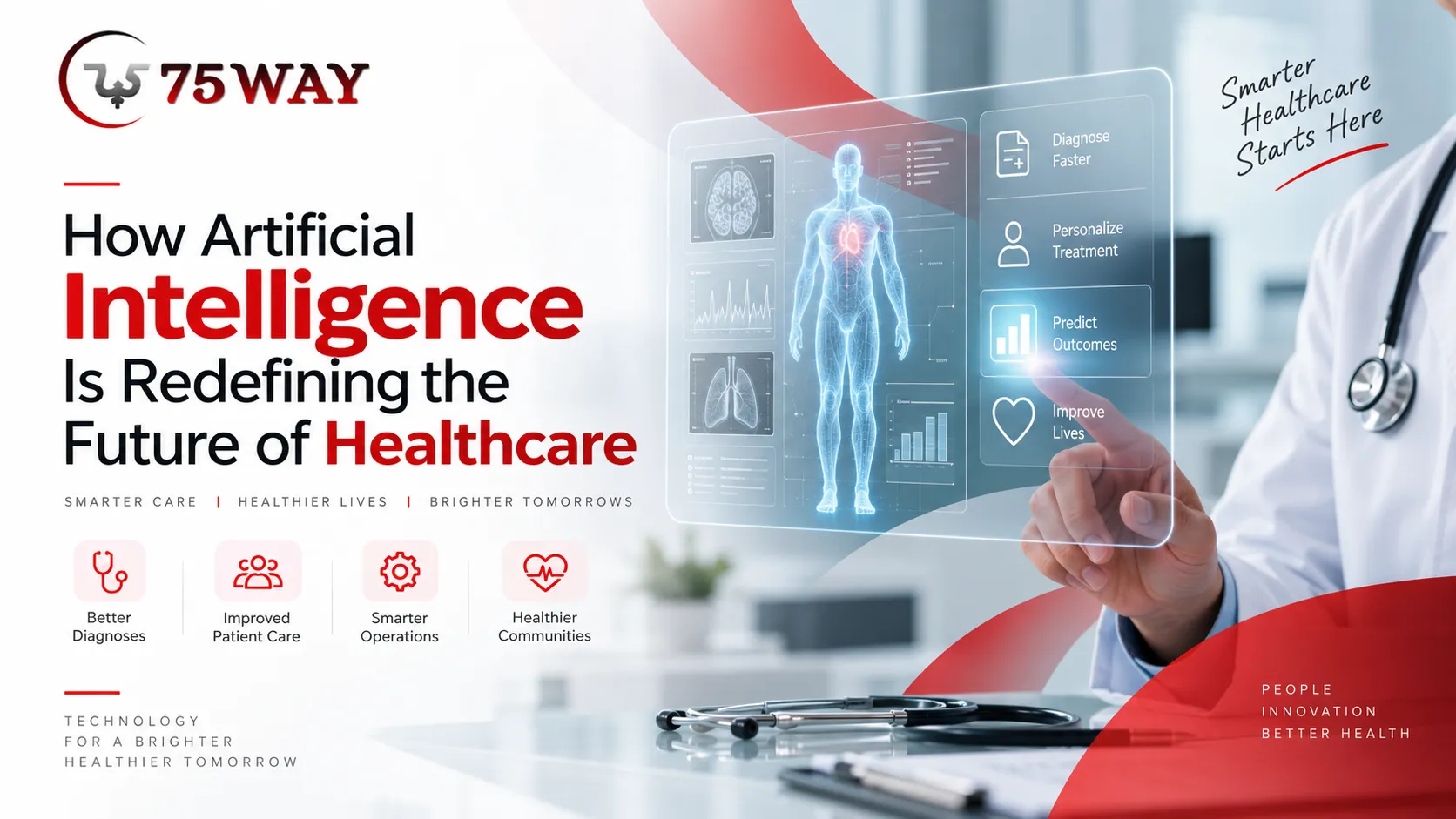
Artificial intelligence is revolutionizing healthcare by turning massive amounts of data into actionable insights. In transitional care management, AI-powered tools can help identify patients at high risk for readmission or complications.
Ways AI accelerates transitional care management:
- Predicts which patients are most likely to experience adverse events post-discharge
- Automates reminders for medication adherence and follow-up appointments
- Personalizes care plans based on data-driven risk stratification
- Supports clinical decision-making by analyzing trends and flagging red flags
By leveraging predictive analytics, healthcare organizations can allocate resources more efficiently and focus interventions where they will have the greatest impact.
Mobile Health (mHealth) Apps
Mobile health applications have become a staple for patient engagement, education, and ongoing support. In transitional care management, mHealth apps bridge the gap between hospital and home.
Advantages of Health apps:
- Provide medication reminders and educational materials
- Offer symptom trackers and self-management tools
- Facilitate secure messaging between patients and care coordinators
- Gather patient-reported outcomes for continuous care improvement
With the majority of patients owning smartphones, mHealth apps are a convenient way to keep patients connected and informed throughout their recovery.
Care Coordination Platforms
Transitional care management thrives on effective collaboration among diverse care teams. Care coordination platforms centralize communication, task management, and documentation.
Benefits of care coordination platforms:
- Real-time updates on patient status and care plans
- Shared task lists to ensure no steps are missed during transitions
- Secure messaging among multidisciplinary teams
- Centralized repositories for discharge summaries, care instructions, and follow-up tasks
By breaking down communication barriers, care coordination platforms streamline workflows and reduce the risk of errors during transitions.
Cloud-Based Solutions
Cloud technology is transforming how healthcare data is stored, accessed, and shared. For transitional care management, cloud-based solutions offer flexibility and scalability.
Advantages of cloud-based systems:
- Access patient records from any location, facilitating remote care management
- Support telehealth and remote monitoring integrations
- Enable secure data sharing with authorized providers and family caregivers
- Reduce IT infrastructure costs and maintenance burdens
Cloud technology ensures that the right information is always accessible to the right people at the right time.
Patient Portals
Empowering patients is essential for transitional care management success. Patient portals give individuals direct access to their health information, care plans, and communication tools.
Features of patient portals that support transitional care management:
- Access to discharge summaries, medication lists, and follow-up instructions
- Secure messaging with care coordinators and providers
- Appointment scheduling and reminders
- Educational resources for self-care and disease management
Patient portals foster transparency, encourage engagement, and help patients take a more active role in their recovery.
Data Security and Compliance Technologies
With the growing reliance on digital solutions, ensuring data security and regulatory compliance is paramount. Technologies such as encryption, multi-factor authentication, and audit trails protect sensitive health information during transitional care management.
Best practices include:
- Using HIPAA-compliant platforms for communication and data storage
- Regularly updating software to address security vulnerabilities
- Training staff on data privacy and security protocols
Robust data security safeguards patient trust and ensures compliance with legal and ethical standards.
Looking Ahead: The Future of Transitional Care Management
As technology continues to evolve, transitional care management will only become more seamless, proactive, and patient-centered. Future trends to watch include:
- Greater integration of wearable devices and IoT for real-time health monitoring
- Expansion of virtual care models and home-based services
- Advanced AI algorithms for personalized care and resource optimization
- Blockchain for enhanced data interoperability and security
Healthcare organizations that embrace these technology trends will be well-positioned to achieve transitional care management success, improve patient outcomes, and thrive in an increasingly value-based landscape.
Conclusion
Technology is reshaping the way healthcare teams deliver transitional care management. Whether it's through EHRs, telehealth, AI, or patient engagement platforms, the future of transitional care management is digital, connected, and patient-focused. By keeping pace with the latest technology trends, healthcare providers can reduce readmissions, improve outcomes, and deliver superior care during every patient transition.
For organizations looking to elevate their transitional care management strategies, now is the time to invest in innovative technologies that streamline workflows, enhance communication, and put patients at the center of care.
























Sign in to leave a comment.