
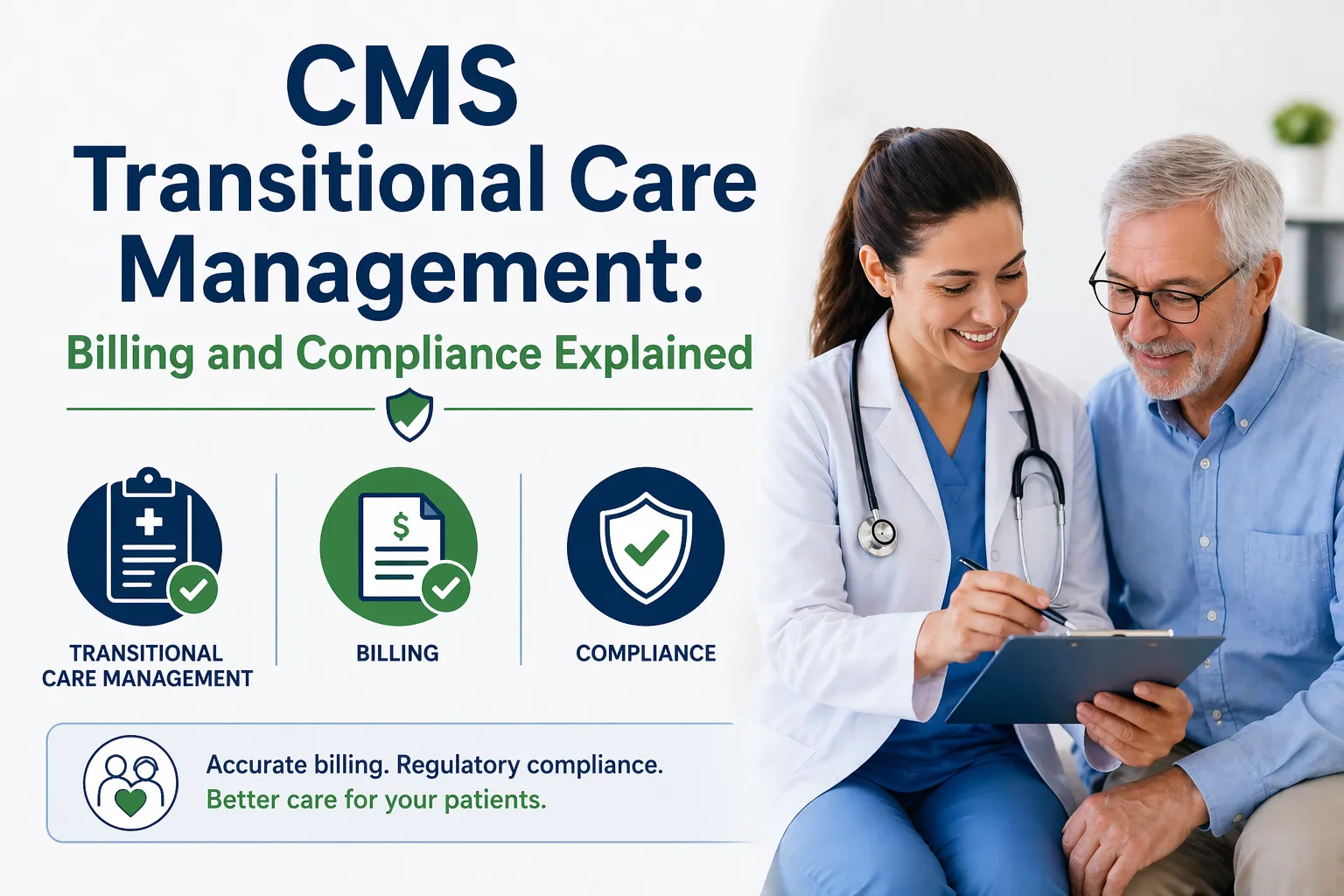
As the healthcare landscape evolves, so do the requirements for managing patient transitions from hospital to home or other care settings. The Centers for Medicare & Medicaid Services (CMS) Transitional Care Management (TCM) guidelines have seen several updates for 2025. Staying current with these changes is critical for providers who want to ensure compliance, maximize reimbursement, and most importantly, deliver high-quality patient care.
In this comprehensive blog, we’ll explore what’s new in the 2025 CMS Transitional Care Management guidelines, what providers need to do to stay compliant, and how these updates can improve outcomes for both patients and healthcare organizations.
Understanding CMS Transitional Care Management
CMS Transitional Care Management refers to a set of services provided to patients as they transition from an inpatient hospital setting back to their community or home. These services are designed to reduce hospital readmissions, improve patient outcomes, and ensure continuity of care.
TCM services generally include:
- Communication with the patient or caregiver within two business days following discharge
- Medical decision-making of moderate or high complexity during the service period
- Face-to-face visit within 7 or 14 days, depending on the patient’s complexity
CMS reimburses providers for delivering TCM services through specific CPT codes (99495 and 99496), provided all the necessary requirements are met.
Key CMS Transitional Care Management 2025 Updates
For 2025, CMS has introduced several important updates to TCM guidelines. Providers need to familiarize themselves with these changes to ensure ongoing compliance and optimal patient care.
Expanded Eligible Settings
Previously, CMS transitional care management services were limited to patients discharged from inpatient acute care hospitals, skilled nursing facilities, and certain other settings. For 2025, CMS has expanded the list of eligible discharge settings to include:
- Inpatient rehabilitation facilities
- Long-term acute care hospitals
- Psychiatric hospitals
- Hospice facilities
This expansion allows more patients to benefit from TCM services, reflecting CMS’s commitment to comprehensive, patient-centered care.
Revised Communication Requirements
Effective communication is the cornerstone of successful transitional care. The 2025 CMS transitional care management guidelines now specify that:
- Communication with the patient or caregiver may be conducted via telehealth, secure messaging, or in-person, as clinically appropriate.
- Documentation of communication attempts and successful contact is required for compliance.
This flexibility accommodates the increased use of digital health tools and ensures that patients receive timely outreach.
Updated Face-to-Face Visit Timeframes
CMS has clarified the timelines for the required face-to-face visit after discharge:
- Moderate complexity cases (CPT 99495): Face-to-face visit within 14 calendar days post-discharge.
- High complexity cases (CPT 99496): Face-to-face visit within 7 calendar days post-discharge.
Providers must document the date of discharge and the date of the face-to-face visit to support accurate coding and reimbursement.
Enhanced Care Coordination Documentation
For 2025, the CMS transitional care management guidelines emphasize the importance of detailed care coordination documentation. Providers should ensure that their records include:
- Medication reconciliation and management
- Patient and caregiver education
- Arrangements for follow-up services and appointments
- Identification of potential barriers to care and plans to address them
Accurate, thorough documentation not only supports CMS compliance but also enhances patient safety and outcomes.
Telehealth Expansion for TCM Services
CMS continues to support telehealth as a viable option for TCM services. The 2025 guidelines specifically state that:
- Telehealth visits that meet the requirements for TCM may be billed using TCM CPT codes.
- Providers must use HIPAA-compliant platforms and document the modality of the visit.
This change recognizes the ongoing importance of telehealth in increasing access and convenience for both patients and providers.
Best Practices for Implementing 2025 CMS Transitional Care Management Guidelines
To stay ahead of regulatory changes and ensure your practice remains compliant, consider the following best practices:
Educate Your Care Team
Ensure that your physicians, nurses, and administrative staff are fully informed about the new CMS transitional care management requirements for 2025. Regular training sessions and updated protocols can help prevent compliance gaps.
Leverage Technology
Utilize EHR systems, care coordination platforms, and telehealth solutions to streamline documentation and communication. Automated reminders can help ensure timely outreach and follow-up visits.
Standardize Documentation
Create templates and checklists for TCM documentation to ensure all required elements are captured consistently. This not only supports compliance but also improves the quality of care delivered.
Monitor Performance Metrics
Track key performance indicators such as:
- Timeliness of communication and face-to-face visits
- Readmission rates for TCM patients
- Patient satisfaction scores
Regularly reviewing these metrics can help you identify areas for improvement and demonstrate the value of your TCM program.
Stay Updated
CMS transitional care management guidelines are subject to change as healthcare evolves. Subscribe to CMS updates, attend relevant webinars, and participate in professional organizations to stay informed about regulatory developments.
The Impact of CMS Transitional Care Management on Patient Care
Adhering to the latest CMS transitional care management guidelines is more than just a billing requirement. Effective TCM:
- Reduces the risk of hospital readmission, which benefits both patients and healthcare organizations
- Improves patient satisfaction by providing seamless support during vulnerable transitions
- Enhances medication safety through reconciliation and patient education
- Facilitates better communication among care teams, patients, and caregivers
By implementing the 2025 updates, providers can ensure that patients receive the comprehensive support they need during critical transitions of care.
Frequently Asked Questions About CMS Transitional Care Management
What patients are eligible for TCM services under the 2025 guidelines?
Patients discharged from inpatient hospitals, skilled nursing facilities, inpatient rehabilitation facilities, long-term acute care hospitals, psychiatric hospitals, and hospice facilities are now eligible for TCM services.
Can TCM services be provided via telehealth?
Yes, CMS allows telehealth visits for TCM services provided they meet all the necessary requirements and are properly documented.
How do providers bill for TCM services?
Providers bill using CPT codes 99495 (moderate complexity) and 99496 (high complexity), ensuring that all communication, face-to-face visits, and care coordination documentation requirements are met.
What are the documentation requirements for TCM?
Documentation must include communication attempts, medication reconciliation, patient education, care coordination activities, and details of the face-to-face visit.
Conclusion
The 2025 CMS transitional care management guidelines bring important updates that expand eligibility, clarify requirements, and accommodate new care delivery methods. By understanding and implementing these changes, providers can ensure compliance, secure appropriate reimbursement, and—most importantly—deliver high-quality care to patients during critical transitions.
Stay proactive, leverage technology, and continually educate your team to make the most of CMS transitional care management in 2025 and beyond. For more resources and the latest updates, visit the CMS website or consult with healthcare compliance experts.
If you’re looking to optimize your transitional care management processes, consider partnering with trusted solutions like healtharc to ensure you’re meeting all CMS requirements while enhancing patient care and outcomes.

























Sign in to leave a comment.