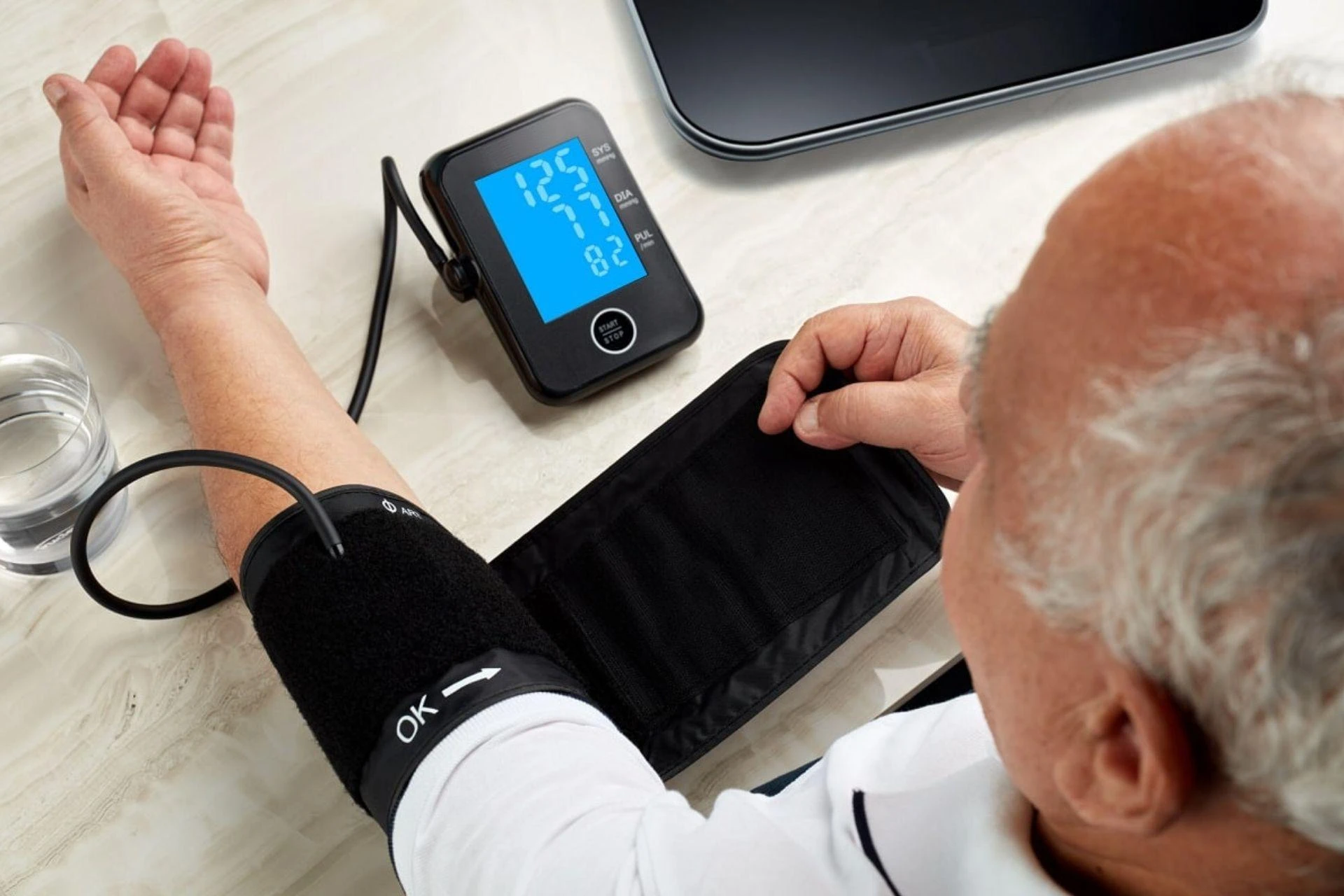
In 2025, healthcare is undergoing a revolution, and at the heart of this transformation is Remote Patient Monitoring. As technology continues to advance, Remote Patient Monitoring is emerging as a game-changer in preventive healthcare, enabling patients and providers to proactively manage health and prevent complications before they arise. This blog explores how Remote Patient Monitoring is transforming preventive healthcare, the benefits it brings, and why it's becoming a standard in modern medical practice.
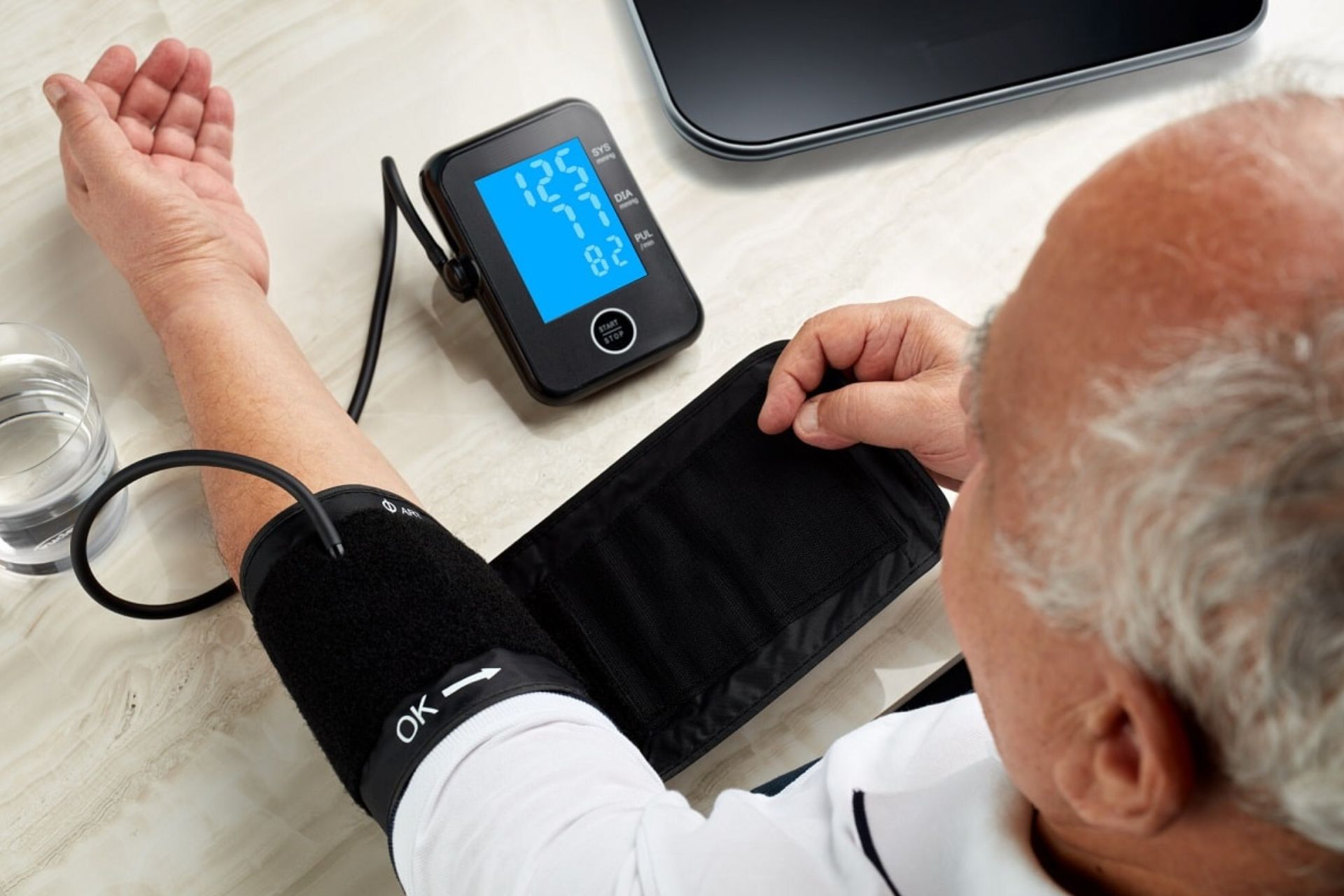 How Remote Patient Monitoring is Transforming Preventive Healthcare in 2025
What is Remote Patient Monitoring?
Remote Patient Monitoring, often abbreviated as RPM, refers to the use of digital technologies to collect health data from patients outside of traditional healthcare settings. This data is then transmitted securely to healthcare providers for assessment and recommendations. RPM can track various health indicators such as blood pressure, glucose levels, heart rate, oxygen saturation, and more.
In 2025, Remote Patient Monitoring devices are smarter, more affordable, and user-friendly than ever before. Patients can now easily use wearable devices, smart sensors, and mobile apps to continuously monitor their health, making it possible for healthcare professionals to intervene earlier and prevent the escalation of chronic conditions.
The Role of Remote Patient Monitoring in Preventive Healthcare
Preventive healthcare is all about taking proactive measures to prevent diseases or detect them early when they are most treatable. Remote Patient Monitoring is perfectly aligned with this goal. Here’s how:
Early Detection of Health Issues
RPM allows for the continuous collection of vital health data. Providers can spot unusual trends or abnormalities in real time, enabling them to intervene before a minor issue becomes a major health problem.
Enhanced Chronic Disease Management
For patients with chronic conditions like diabetes, hypertension, or heart disease, regular monitoring is crucial. RPM ensures these patients are closely observed, and their care plans adjusted as needed, reducing hospital readmissions and emergency visits.
Personalized Care and Prevention Plans
Remote Patient Monitoring provides healthcare professionals with a wealth of data, allowing them to tailor prevention strategies and treatment plans based on an individual’s unique health profile.
Improved Patient Engagement
When patients have access to their health data and can see the impact of their lifestyle choices, they become more motivated to stick to preventive measures and healthier habits.
Benefits of Remote Patient Monitoring for Patients and Providers
The widespread adoption of Remote Patient Monitoring in preventive healthcare offers numerous advantages:
Convenience and Accessibility
Patients can monitor their health from the comfort of home, eliminating the need for frequent clinic visits. This is especially beneficial for elderly individuals, those living in rural areas, or people with mobility challenges.
Cost Savings
By catching health issues early and reducing unnecessary hospitalizations, RPM leads to significant cost savings for both patients and healthcare systems.
Timely Interventions
Continuous monitoring enables faster responses to health changes, preventing complications and improving outcomes.
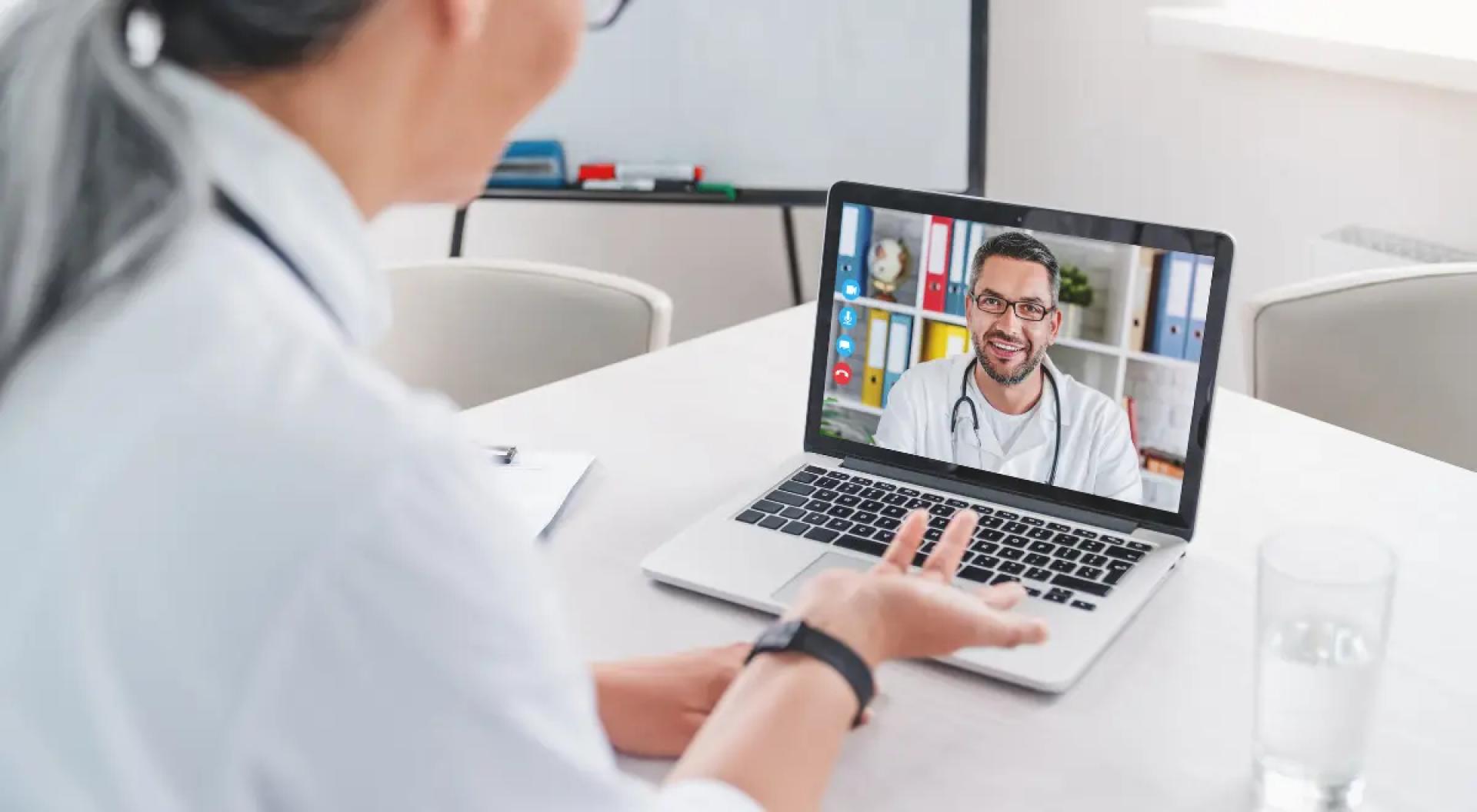
Better Patient-Provider Communication
RPM platforms often include messaging features, making it easier for patients to ask questions and for providers to offer timely guidance.
Data-Driven Decision Making
The constant stream of data helps providers make better-informed decisions, resulting in more effective and personalized preventive care.
How Remote Patient Monitoring Works in 2025
The year 2025 has seen remarkable advancements in Remote Patient Monitoring technology. Here’s a look at how the process typically works:
1. Device Selection
Patients are provided with smart devices tailored to their specific health needs, such as blood pressure cuffs, glucose monitors, or ECG patches.
2. Data Collection
These devices automatically collect health data throughout the day.
3. Secure Data Transmission
Collected data is securely transmitted via cloud-based platforms to healthcare providers for real-time monitoring.
4. Analysis and Alerts
Advanced algorithms analyze the data, alerting providers to any concerning trends.
5. Provider Intervention
If necessary, providers reach out to the patient to adjust medication, recommend lifestyle changes, or schedule a follow-up.
6. Patient Feedback
Patients receive feedback, educational materials, and encouragement to maintain healthy habits.
Remote Patient Monitoring and the Future of Preventive Healthcare
Remote Patient Monitoring is not just a trend — it is shaping the future of healthcare by making prevention more practical, personalized, and effective. Here’s what the future holds:
Integration with Artificial Intelligence
AI-powered analytics are becoming standard in RPM, allowing for even more accurate predictions and risk assessments.
Expansion Beyond Chronic Diseases
While RPM is widely used for chronic disease management, it is now being applied to preventive screenings, post-operative care, mental health monitoring, maternal health, and more.
Interoperability and Connected Care
In 2025, RPM platforms are increasingly interoperable, meaning data from various devices and sources can be seamlessly integrated into electronic health records for a holistic view of patient health.
Population Health Management
Healthcare systems are harnessing RPM data for population health initiatives, identifying at-risk groups and tailoring public health strategies.
Overcoming Challenges in Remote Patient Monitoring Adoption
While Remote Patient Monitoring offers immense benefits, there are still challenges to address:
Data Privacy and Security
Ensuring patient data is secure and compliant with regulations remains a top priority.
Digital Literacy
Efforts are needed to educate patients on using RPM devices effectively, especially among older adults.
Reimbursement and Policy
Clearer reimbursement policies are encouraging more providers to adopt RPM, but ongoing advocacy is needed for wider acceptance.
The Bottom Line: Why Remote Patient Monitoring is Essential in 2025
Remote Patient Monitoring is fundamentally transforming preventive healthcare in 2025. By enabling continuous, real-time health tracking, RPM empowers both patients and providers to take control of health outcomes. It supports early detection, personalized preventive care, and better chronic disease management, all while reducing costs and improving the patient experience.
For healthcare organizations and providers looking to stay ahead in preventive healthcare, embracing Remote Patient Monitoring is no longer optional—it’s essential. As technology continues to evolve, the potential for RPM to enhance prevention, improve quality of life, and reduce healthcare costs will only continue to grow.
If you’re interested in learning more about how Remote Patient Monitoring can benefit your health system or practice, explore leading solutions like healtharc, which are at the forefront of this digital health revolution. The future of preventive healthcare is here, and Remote Patient Monitoring is leading the way.






















Sign in to leave a comment.