

Chronic diseases such as diabetes, hypertension, and heart conditions are among the leading causes of disability and healthcare costs worldwide. For healthcare providers managing patients with multiple chronic conditions, implementing an effective chronic care management program is no longer a luxury—it’s a necessity. But when you’re overseeing several clinics, launching a unified, scalable chronic care management program can seem daunting. In this article, we’ll explore actionable steps to implement a chronic care management program across multi-site clinics, ensuring consistency, quality, and improved patient outcomes.
Understanding the Importance of a Chronic Care Management Program
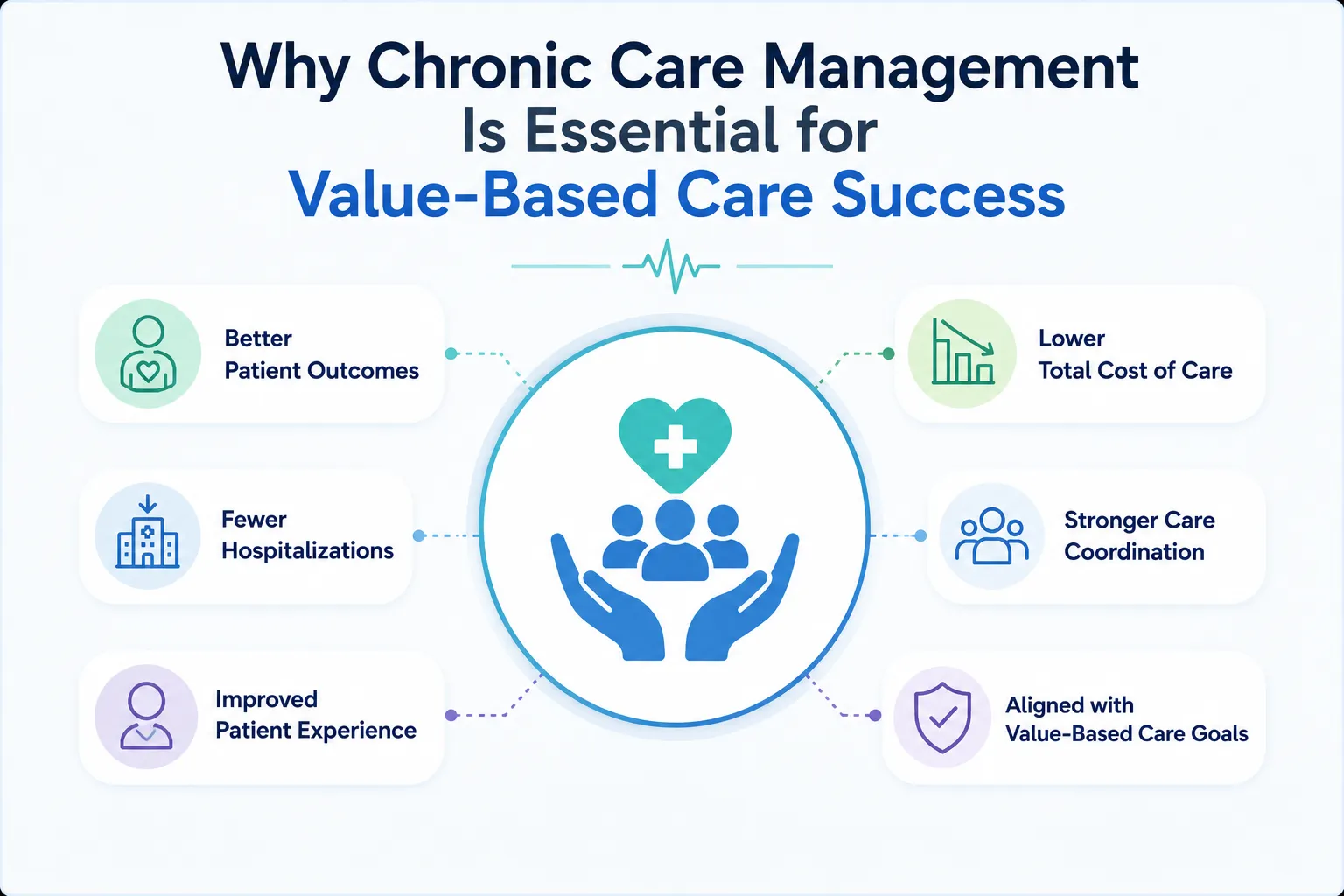
A chronic care management program (CCM) is designed to provide coordinated, patient-centered care for individuals with two or more chronic conditions. These programs not only improve patient outcomes but also reduce hospitalizations and lower healthcare costs. For multi-site clinics, a standardized chronic care management program helps streamline operations, ensures regulatory compliance, and enhances patient satisfaction.
Key Benefits of a Chronic Care Management Program
- Improved patient engagement and adherence to treatment plans
- Reduced hospital admissions and emergency department visits
- Enhanced care coordination among providers
- Increased revenue through Medicare and other payer reimbursements
- Better health outcomes and patient satisfaction
Steps to Launch a Scalable Chronic Care Management Program
Launching a chronic care management program across multiple clinics requires strategic planning, collaboration, and the right technology. Here’s a step-by-step guide to help you get started:
1. Assess Readiness Across All Sites
Before launching a chronic care management program, assess each clinic’s current capabilities, resources, and patient population. Identify existing gaps in care, technology needs, and staff readiness. This will help you tailor your program for each location while maintaining overall consistency.
2. Define Program Goals and Metrics
Set clear, measurable objectives for your chronic care management program. Common goals include reducing hospital readmissions, improving medication adherence, and increasing patient engagement. Establish key performance indicators (KPIs) to track success, such as:
- Number of patients enrolled in CCM
- Patient satisfaction scores
- Reduction in ER visits or hospitalizations
- Revenue generated from CCM services
3. Standardize Workflows and Protocols
Consistency is key when launching a chronic care management program across multiple clinics. Develop standardized workflows, care protocols, and documentation practices. This ensures all staff members follow the same procedures, making it easier to monitor progress and maintain quality.
4. Invest in the Right Technology
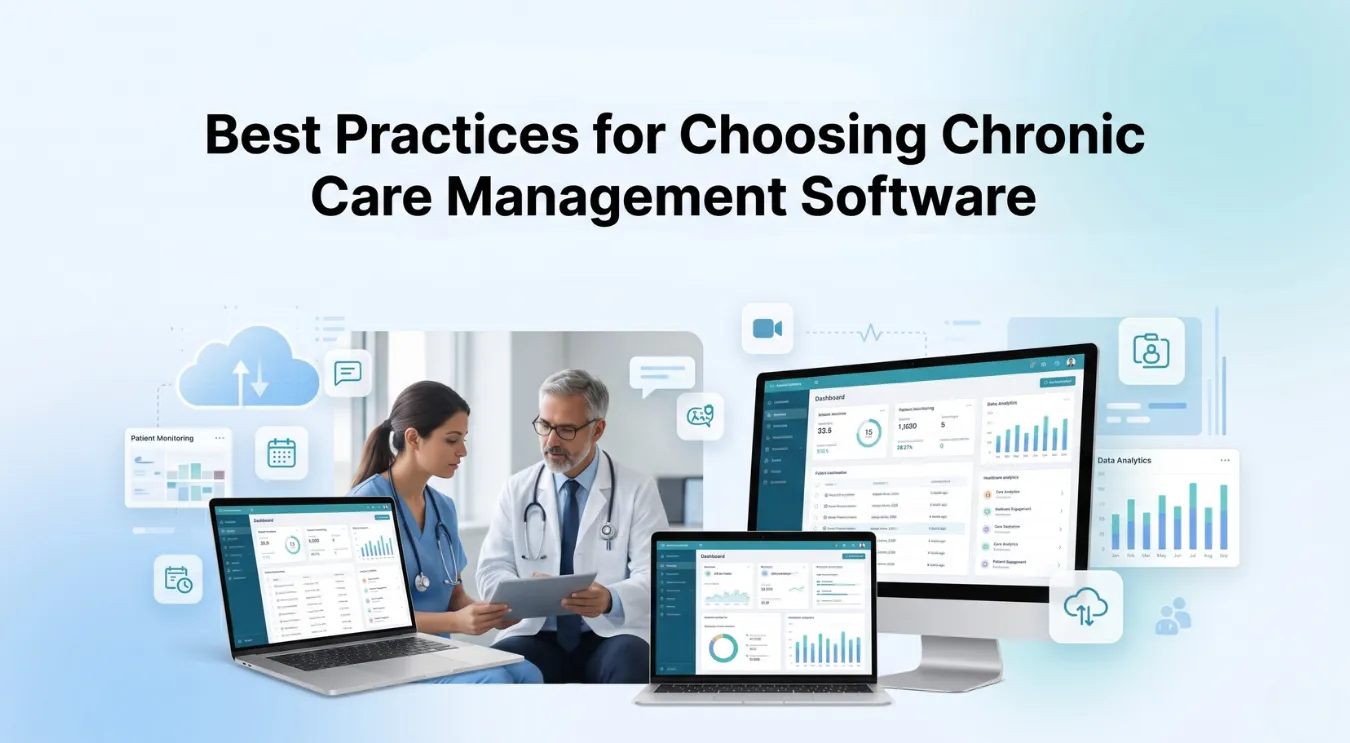
A robust technology platform is essential for scaling your chronic care management program. Look for solutions that offer:
- Centralized patient data management
- Secure communication tools for care teams
- Automated care plan reminders and alerts
- Integration with electronic health records (EHR)
- Reporting and analytics capabilities
By leveraging technology, you can streamline administrative tasks, improve care coordination, and provide personalized care at scale.
5. Train and Engage Your Care Teams
Your care teams are the backbone of any chronic care management program. Provide comprehensive training on new workflows, technology platforms, and best practices in chronic care. Encourage ongoing education and create opportunities for collaboration across clinics. Engaged, knowledgeable staff are more likely to deliver high-quality care and drive program success.
6. Identify and Enroll Eligible Patients
Develop a systematic approach to identifying and enrolling eligible patients. Use your EHR system to flag patients with two or more chronic conditions. Educate patients about the benefits of the chronic care management program, and gain their consent to participate. Regularly review patient lists to ensure no one falls through the cracks.
7. Personalize Care Plans
Each patient’s needs are unique. Create tailored care plans that address individual health goals, preferences, and challenges. Include medication management, lifestyle recommendations, and scheduled follow-ups. Personalized care plans enhance patient engagement and improve outcomes.
8. Monitor Progress and Adjust as Needed
Continuous monitoring is critical for a successful chronic care management program. Use your technology platform to track patient progress, outcomes, and adherence to care plans. Analyze data to identify trends, address barriers, and make necessary adjustments to the program.
9. Foster Communication and Collaboration
Effective communication between care teams, patients, and specialists is essential for coordinated care. Implement secure messaging tools and regular case conferences to facilitate information sharing across clinics. This ensures everyone stays informed and aligned on patient care.
10. Measure Success and Scale Up
Regularly review your chronic care management program’s performance against established KPIs. Share results with stakeholders and celebrate successes. Use insights gained to refine your program and expand it to additional clinics, ensuring scalability and sustainability.
Overcoming Common Challenges in Scaling Chronic Care Management
Launching a chronic care management program across multi-site clinics is not without challenges. Common obstacles include:
- Variations in clinic resources and patient populations
- Resistance to change among staff
- Integration issues with existing EHR systems
- Ensuring data security and HIPAA compliance
To overcome these challenges, prioritize clear communication, leadership buy-in, and ongoing support. Choose a technology partner with experience in chronic care management program implementation and scalability.
Best Practices for a Successful Chronic Care Management Program
To ensure long-term success, keep these best practices in mind:
- Start with pilot programs at select sites, then scale up
- Collect feedback from staff and patients to inform improvements
- Provide incentives for staff participation and performance
- Stay updated on regulatory changes and reimbursement policies
- Continuously invest in technology and staff training
How healthArc Supports Scalable Chronic Care Management
When searching for a trusted partner to help launch a chronic care management program across your clinics, consider healthArc. With robust technology, expert support, and proven workflows, healtharc empowers healthcare providers to deliver high-quality, scalable chronic care management at every location. Their platform integrates seamlessly with EHR systems, ensures regulatory compliance, and provides actionable analytics for ongoing improvement.
Conclusion
A well-designed chronic care management program can transform patient outcomes, reduce healthcare costs, and streamline operations across multi-site clinics. By following the steps outlined above and leveraging the right technology, you can launch a scalable chronic care management program that benefits your patients, staff, and organization. Start today, and watch your clinics deliver better care—together.
If you’re ready to implement or expand your chronic care management program, explore how healtharc can be your partner in success. Reach out today to learn more about scalable solutions for multi-site clinics.



























Sign in to leave a comment.