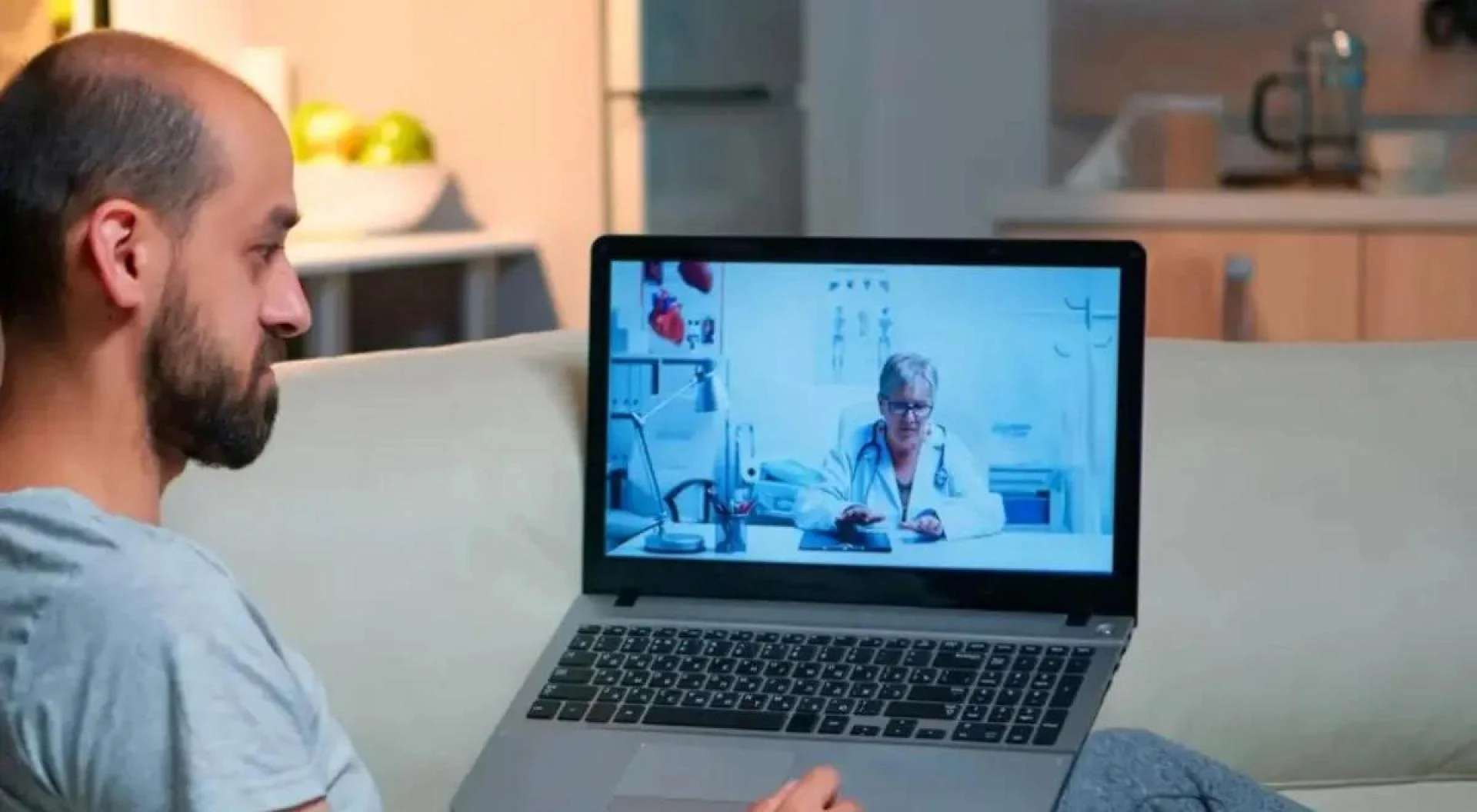
In today’s fast-evolving healthcare landscape, preventive care has become a top priority, especially for the aging population. With the rise of chronic diseases and the increasing need for continuous monitoring, technology has stepped in to bridge the gap. Remote Patient Monitoring (RPM) is revolutionizing how healthcare is delivered, ensuring that aging patients receive timely interventions and maintain their quality of life. In this article, we’ll explore how Remote Patient Monitoring enhances preventive healthcare for elderly patients and why it’s becoming an essential tool for healthcare providers.
Understanding Remote Patient Monitoring
Remote Patient Monitoring refers to the use of digital technologies to collect health data from patients outside traditional healthcare settings. This information is then transmitted securely to healthcare professionals for assessment and recommendations. Devices commonly used in RPM include blood pressure monitors, glucose meters, heart rate monitors, and wearable fitness trackers. By leveraging RPM, healthcare professionals can monitor patients’ vital signs and health status in real-time, allowing for proactive care and early detection of potential health issues.
The Growing Importance of Preventive Healthcare for Aging Patients
As people age, the risk of developing chronic conditions such as diabetes, hypertension, and heart disease increases significantly. Preventive healthcare focuses on early detection, timely intervention, and lifestyle modifications to prevent or manage these conditions effectively. However, traditional healthcare models often rely on periodic checkups, which may not capture health changes promptly.
Remote Patient Monitoring addresses this gap by providing:
- Continuous monitoring of vital signs
- Early identification of health deterioration
- Immediate alerts to healthcare providers in case of abnormal readings
- Personalized care plans based on real-time data
Benefits of Remote Patient Monitoring for Aging Patients
Remote Patient Monitoring offers a variety of benefits that specifically cater to the needs of elderly patients. Here’s how RPM transforms preventive healthcare:
1. Early Detection of Health Issues
With daily monitoring, subtle changes in a patient’s health can be identified before they escalate into serious problems. For example, a sudden spike in blood pressure or irregular heart rhythm can trigger an immediate response from the healthcare team, preventing complications such as strokes or heart attacks.
2. Enhanced Medication Management
Many older adults take multiple medications, increasing the risk of missed doses or adverse drug interactions. RPM devices can remind patients to take their medications and track adherence, ensuring better management of chronic conditions.
3. Reduced Hospitalizations and Emergency Visits
Frequent monitoring and timely interventions can significantly lower the chances of hospital admissions and emergency room visits. By catching warning signs early, Remote Patient Monitoring helps aging patients stay healthier and reduces the burden on healthcare facilities.
4. Improved Patient Engagement and Empowerment
Remote Patient Monitoring empowers elderly patients to take an active role in their health. With easy-to-use devices and real-time access to their health data, patients become more engaged and motivated to follow healthy habits.
5. Increased Access to Healthcare
For seniors with mobility challenges or those living in remote areas, visiting a clinic or hospital can be difficult. Remote Patient Monitoring allows them to receive high-quality care from the comfort of their homes, bridging geographical barriers.
How Remote Patient Monitoring Works: A Step-by-Step Guide
Understanding the process behind Remote Patient Monitoring can help patients and caregivers appreciate its impact on preventive healthcare.
- Device Setup: Patients receive user-friendly monitoring devices that track specific health parameters.
- Data Collection: These devices automatically record vital signs such as blood pressure, glucose levels, or oxygen saturation.
- Data Transmission: Health data is securely transmitted to a centralized platform accessible by healthcare providers.
- Data Analysis: Medical professionals review the data, identify trends, and detect any alarming changes.
- Intervention: If necessary, doctors or nurses contact the patient to adjust medications, provide advice, or schedule a follow-up visit.
Key Health Conditions Managed by Remote Patient Monitoring
Remote Patient Monitoring is particularly effective in managing chronic diseases that commonly affect the elderly, including:
- Hypertension: Continuous blood pressure monitoring helps detect fluctuations and guide treatment adjustments.
- Diabetes: Glucose meters track blood sugar levels, allowing for timely interventions and better glycemic control.
- Heart Disease: Wearable ECG monitors detect irregular heart rhythms and flag potential cardiac events.
- Chronic Obstructive Pulmonary Disease (COPD): Pulse oximeters monitor oxygen levels, reducing the risk of respiratory distress.
The Role of Remote Patient Monitoring in Preventing Hospital Readmissions
One of the critical challenges in elderly care is the high rate of hospital readmissions, often due to poorly managed chronic conditions. Remote Patient Monitoring plays a crucial role in reducing readmissions by:
- Providing continuous follow-up care after discharge
- Detecting early signs of relapse or complications
- Enabling healthcare teams to intervene before the condition worsens
- Encouraging adherence to post-discharge instructions
Overcoming Barriers to Remote Patient Monitoring Adoption
While the benefits of Remote Patient Monitoring are clear, some patients and providers may face challenges in adopting this technology. Common barriers include technological hesitancy, concerns about data privacy, and lack of awareness. To address these issues:
- Offer training and support to patients and caregivers
- Choose devices with simple interfaces designed for seniors
- Ensure robust data encryption and compliance with privacy regulations
- Educate patients about the benefits and safety of Remote Patient Monitoring
The Future of Preventive Healthcare for Seniors
As healthcare continues to evolve, Remote Patient Monitoring will play an increasingly vital role in preventive care. Integration with artificial intelligence, predictive analytics, and telehealth services will further enhance its effectiveness. HealthArc and other technology providers are at the forefront of developing innovative RPM solutions that empower aging patients and transform healthcare delivery.
Conclusion
Remote Patient Monitoring is a game-changer in preventive healthcare for aging patients. By enabling continuous monitoring, early intervention, and personalized care, RPM helps seniors maintain their independence and enjoy a better quality of life. As healthcare providers and patients embrace this technology, the future of elderly care looks brighter and more proactive than ever.
If you’re interested in learning more about how Remote Patient Monitoring can benefit your loved ones or your healthcare practice, explore the latest solutions from HealthArc and join the movement towards smarter, preventive healthcare for all.


























Sign in to leave a comment.