
In modern manufacturing, machine downtime is more than just a temporary halt—it’s a direct hit to productivity, profitability, and customer satisfaction. Equipment failures and unscheduled maintenance disrupt supply chains, delay deliveries, and inflate operational costs. As manufacturing operations scale and become more complex, traditional approaches to maintenance and monitoring often fall short. This is where intelligent technologies step in to offer a game-changing advantage.
A reliable provider of custom AI solutions helps manufacturers move from reactive and scheduled maintenance to a predictive and performance-driven model. These tailor-made AI tools analyze machine behavior in real-time, anticipate potential failures, and enable proactive interventions. This article delves into how these AI-powered strategies reduce machine downtime and ensure continuous, efficient production across various manufacturing environments.
Real-Time Monitoring and Data Collection
Custom AI solutions enable live tracking of machinery performance through integrated data sources.
- AI applications collect data from sensors, PLCs, and control systems.
- Metrics such as temperature, vibration, pressure, and RPM are constantly monitored.
- Any deviation from standard patterns triggers alerts or automated adjustments.
- Manufacturers gain continuous visibility into equipment health.
Predictive Maintenance Scheduling
Preventive maintenance often leads to over-servicing or missed failures. Predictive models optimize timing.
- AI predicts failures based on usage patterns and historical performance.
- Maintenance tasks are scheduled only when the data indicates risk.
- This reduces unnecessary interventions and avoids last-minute breakdowns.
- Over time, the AI system becomes more accurate through machine learning.
Anomaly Detection and Failure Forecasting
AI systems can detect subtle warning signs that human operators may overlook.
- Custom AI solutions flag irregular patterns that precede failures.
- Early warnings allow technicians to act before a problem worsens.
- AI models are customized to understand the unique behavior of each machine.
- Failure forecasting improves resource planning and reduces repair urgency.
Integration with Existing Manufacturing Systems
AI tools work best when they’re integrated into the broader production ecosystem.
- Custom AI applications are designed to interface with MES, SCADA, and ERP systems.
- This ensures data consistency and smooth information flow across departments.
- Real-time insights are visible to maintenance, production, and quality teams alike.
- Seamless integration eliminates silos and supports faster decision-making.
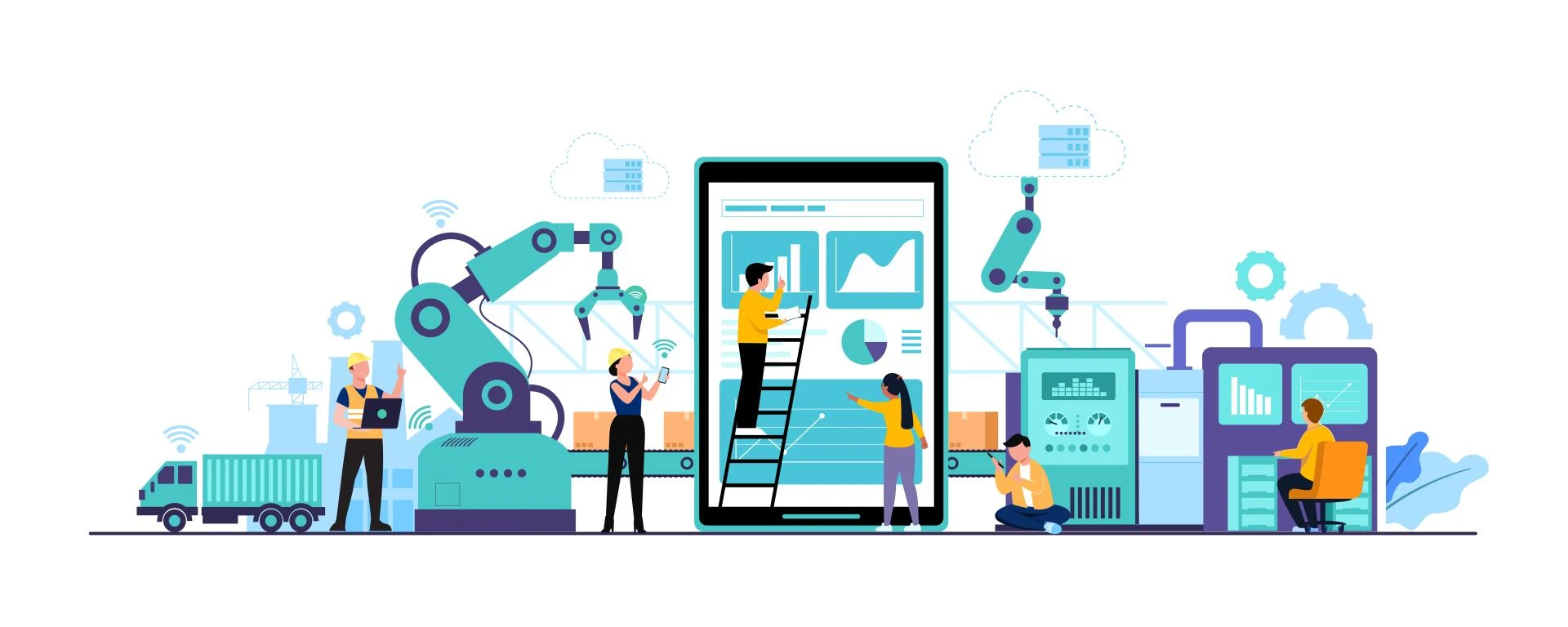
Enhanced Decision-Making with Visual Dashboards
AI simplifies complex data into actionable insights.
- Custom dashboards provide visual representations of machine status and KPIs.
- Maintenance teams can prioritize tasks based on AI-generated risk scores.
- Executives can monitor factory performance remotely and in real time.
- This clarity leads to faster decisions and fewer production bottlenecks.
Conclusion
Reducing machine downtime is no longer limited to reactive troubleshooting or time-based servicing. With the power of advanced custom AI solutions, manufacturers can proactively monitor equipment, predict issues, and optimize maintenance workflows. These tailored systems not only protect machinery from failure but also enhance the overall productivity of the factory. As manufacturing moves toward smarter operations, investing in personalized AI technology is proving to be a vital step toward achieving efficiency and resilience.


























Sign in to leave a comment.