
The Oman payroll system is now more intricate due to changes in labour laws and social security laws, as well as digital penetration through web-based payroll management systems. Employee relations tasks fall on HR to deal with contracts, leave policies, employees' benefits, termination processes, and ensuring adherence to laws and regulations, in addition to people-related problems on a daily basis in most mid-scale and SME companies, with minimal HR professionals to aid them in dealing with all these aspects.
What are employers legally responsible for?
Employers are also required to register with the Ministry of Labour and the social insurance authority prior to recruiting the workforce. They are supposed to have proper payroll accounting, prepare detailed pay slips, as well as pay social insurance contributions on a monthly basis. In the case of expats, companies are liable for providing end-of-service benefits, based on last salary and length of service.
How are new payroll rules increasing the burden?
As of September 2025, a minimum of 75%, and later 90%, of the salary payments of the workforce in Oman have to be made through the Wage Protection Scheme (WPS). The WPS system states that salary transfers have to happen through authorised banks electronically. Thus, there is an auditable trail of each salary transfer. The Ministry of Labour announced that it would monitor the system and penalise those who do not comply.
Where do HR teams feel the biggest strain?
Performing manual payroll computations and processing every pay period manually. Staying on top of updates in employment legislation, WPS regulations, and social security obligations without having in-house legal talent to call on. Dealing with frequent employee inquiries on pay, overtime, leave credits, and other company benefits for hours every month.
How does staff outsourcing actually work?
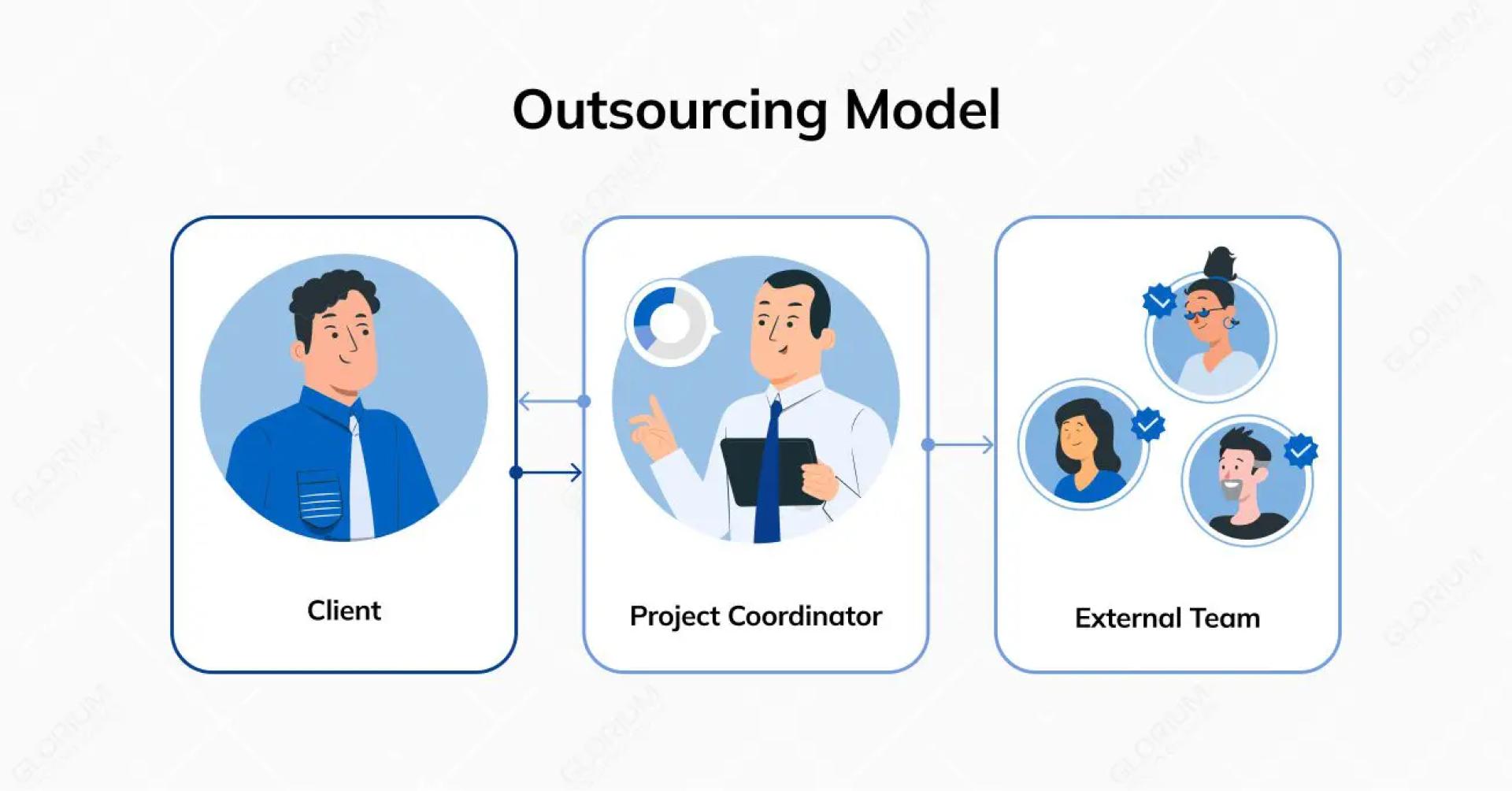
In the staff outsourcing approach, the third-party vendor assumes the legal responsibility of employing certain employees. They are responsible for human resource administration, compensation, contracts, visas, and compliance, whereas the other company is responsible for day-to-day activities. It may be applicable for a small team, such as IT help desk services, or even for a few hundred employees distributed across various Oman locations.
How does outsourcing reduce payroll workload?
Payroll professionals establish an organised procedure and system based on Oman’s Labour Law, social security, and WPS regulations. Tasks such as computing salaries, calculating overtime rates, analyzing allowances, and deductions are automated and made centralised.
The outsourcing company will be responsible for:
- Preparing pays
- Processing payments for salaries through WPS-compliant channels.
- Dealing with adjustments and corrections when necessary.
What impact can this have on HR teams?
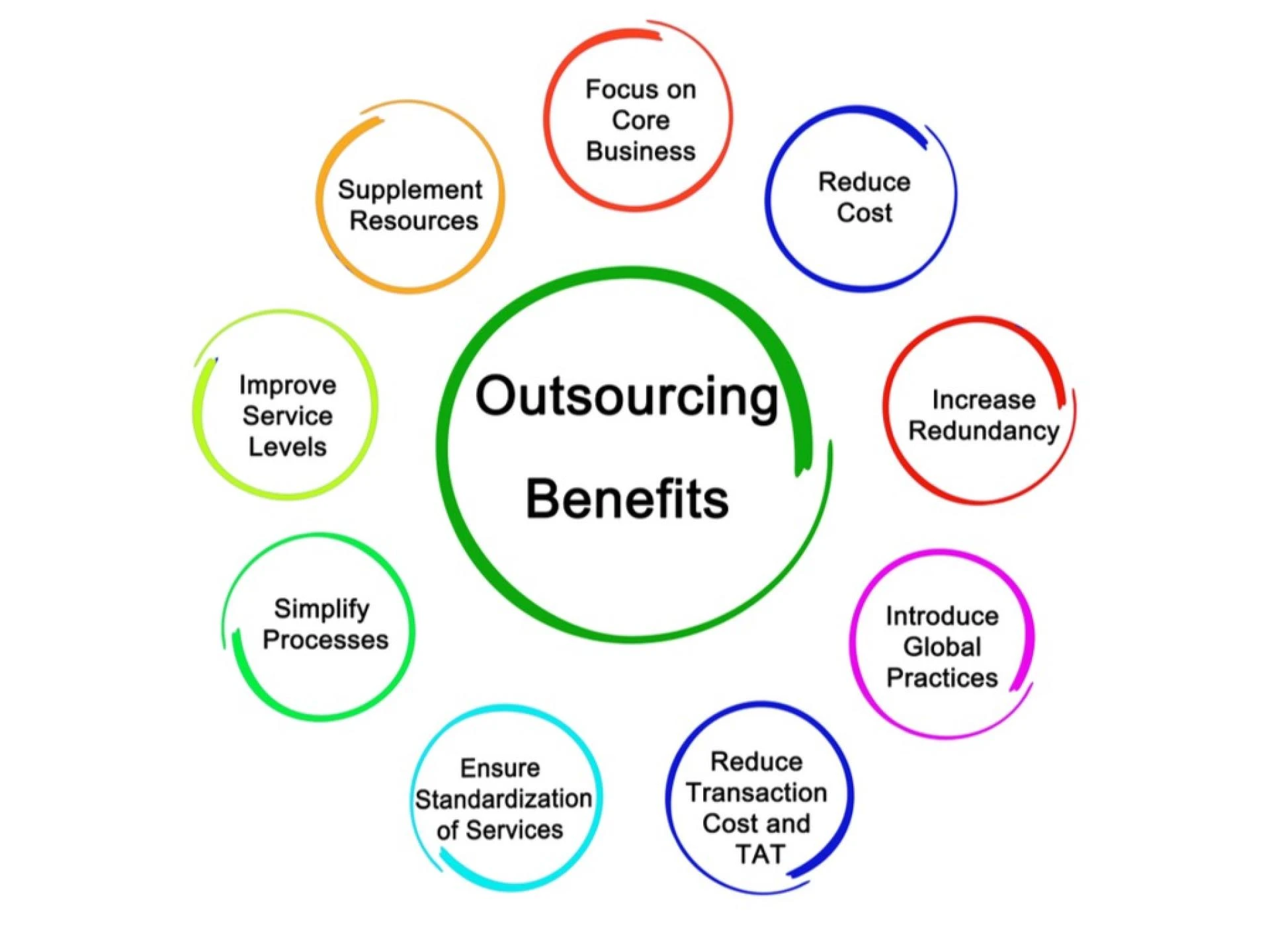
Many of the activities of the human resources function, as well as the processing of employee payments, could be handled by external firms, thus making the in-house staff concentrate on recruitment, engagement, as well as employee retention. An article highlighting the experience of GCC businesses observes: “There are massive time efficiencies to be gained from HR outsourcing, which means in-house staff members are able to spare dozens of hours of time each month.”
Does outsourcing really reduce costs?
However, running the payroll function in-house would entail the use of software, licenses, IT support services, staff training, as well as HR/Finance staff. The outsourcing alternative turns many of these “fixed” costs into a predictable service fee. The outsourcing company that focuses on the Omani market would be able to distribute the cost of the software and the cost of compliance over a number of clients. As a consequence of this, the outsourcing alternative might end up being more cost-effective.
How does outsourcing help with compliance and risk?
Expert payroll and HR service providers are up to date with any subsequent changes in Labour Legislation, Remuneration Rates Legislation, and any updates on WPS on behalf of their customers. They include any decisions by the minister and any necessary changes in the payroll system.
Outsourcing, thus, mitigates risks of:
- Late or incomplete payments of salaries.
- Record-keeping.
- Social insurance contribution payments.
- Non-compliance with WPS thresholds.
What about data security and confidentiality?
More reputable payroll software vendors with Oman presence cover the secure handling of employee salary information. While centralizing payroll with a specialist partner can cut the number of employees with access to sensitive payroll information. Yet for many businesses with Oman operations, centralizing payroll with a specialist partner can actually increase confidentiality.
How does staff outsourcing support business growth?
This is because, when payroll and HR administration are offloaded to an external partner, leadership teams can scale staff numbers without experiencing a linear increase in back-office workload. Workforce outsourcing models would allow for faster hiring regarding new projects or locations in Oman while the provider manages contracts, payroll, and compliance. This faster time-to-hire and reduced administrative friction could directly support expansion, particularly for high-growth sectors and international entrants.
What should companies look for in an outsourcing partner?
Thorough knowledge of the Oman Labour Law of 2025, social insurance regulations, and WPS. Clarity in processes related to payroll accuracy, data protection, and handling common employee inquiries regarding salaries. Transparent pricing structures, service-level agreements, and reporting that provides visibility to the HR and finance departments regarding the operations of the payroll.
Is it the right time to outsource in Oman?
Increasing WPS thresholds to 90% by the end of 2025, combined with continually updated labour laws, means compliance risks are increasing for all employers regardless of their company size. However, at the same time, the competition for human resources expertise is growing, making it even more challenging to maintain all the personnel, compensation, and human resources tasks internally.
Many organisations find that staff outsourcing and payroll processing outsourcing are effective ways to alleviate the burden on the Human Resources department and allow the current workforce to develop a strong workforce in Oman. If you provide the publication information and whether your client can be named or must remain anonymous, there is further room for customisation of messaging and CTAs.





























Sign in to leave a comment.