

Because of the evolution of business environments due to new technologies, market conditions, and growing expectations, the importance of agility as a business success factor is growing. New demands for adaptation, scaling, and innovation occur from all directions, with dependence on limited or restricted resources and in competitive market environments. One of the prevalent and most powerful, and effective methods that businesses are utilising in 2025 to meet these demands is outsourcing labour.
Outsourcing is no longer a simple cost-cutting exercise; outsourcing has evolved into a strategic business model that makes organisations leaner, more responsive and more resilient at a time when uncertainty is at predominance.
The Changing Face of Business Agility
Business agility is an organisation's ability to adapt to internal and external change with speed while being stable and performing. The pace of constant change associated with digital change, supply chain disruptions, and geopolitical reality means that business agility can no longer be seen as a choice; it is now an imperative. Increasingly, staff outsourcing also continues to evolve the way organisations think about workforce planning and staff. Businesses are no longer restricted by fixed headcounts and lengthy hiring processes - they can flex their workforce dynamically!
This business agility gives organisations the capability to legitimately operate quickly to exploit opportunities, manage risk, and grow within fast-changing environments.
Why 2025 is a Turning Point for Staff Outsourcing
Several factors are coming together in 2025 to make staff outsourcing key to organisational agility:
- Talent Shortages Across Industries - All around, the skilled shortage of digital, healthcare and logistics roles outstripping supply makes access to pre-vetted talent via outsourcing essentially important to organisations.
- Economic Uncertainty – Flexible workforce models can help organisations manage the cost base while minimising the threat to their competitiveness.
- Technological Advancements – are putting increased importance on outsourced specialists who are adaptable in newer workforce-related technological areas such as AI (Artificial Intelligence) and cloud and data-related areas.
- Regional Compliance Tension – outsourced firms in various regions, including the Middle East, are able to assist businesses in managing complicated labour regulations and compliance in certain regions.
The combination of factors has created a strategic requirement where outsourcing is no longer an issue of operational convenience but rather an organisational need!
Key Ways Staff Outsourcing Enhances Agility
Scalability on Demand
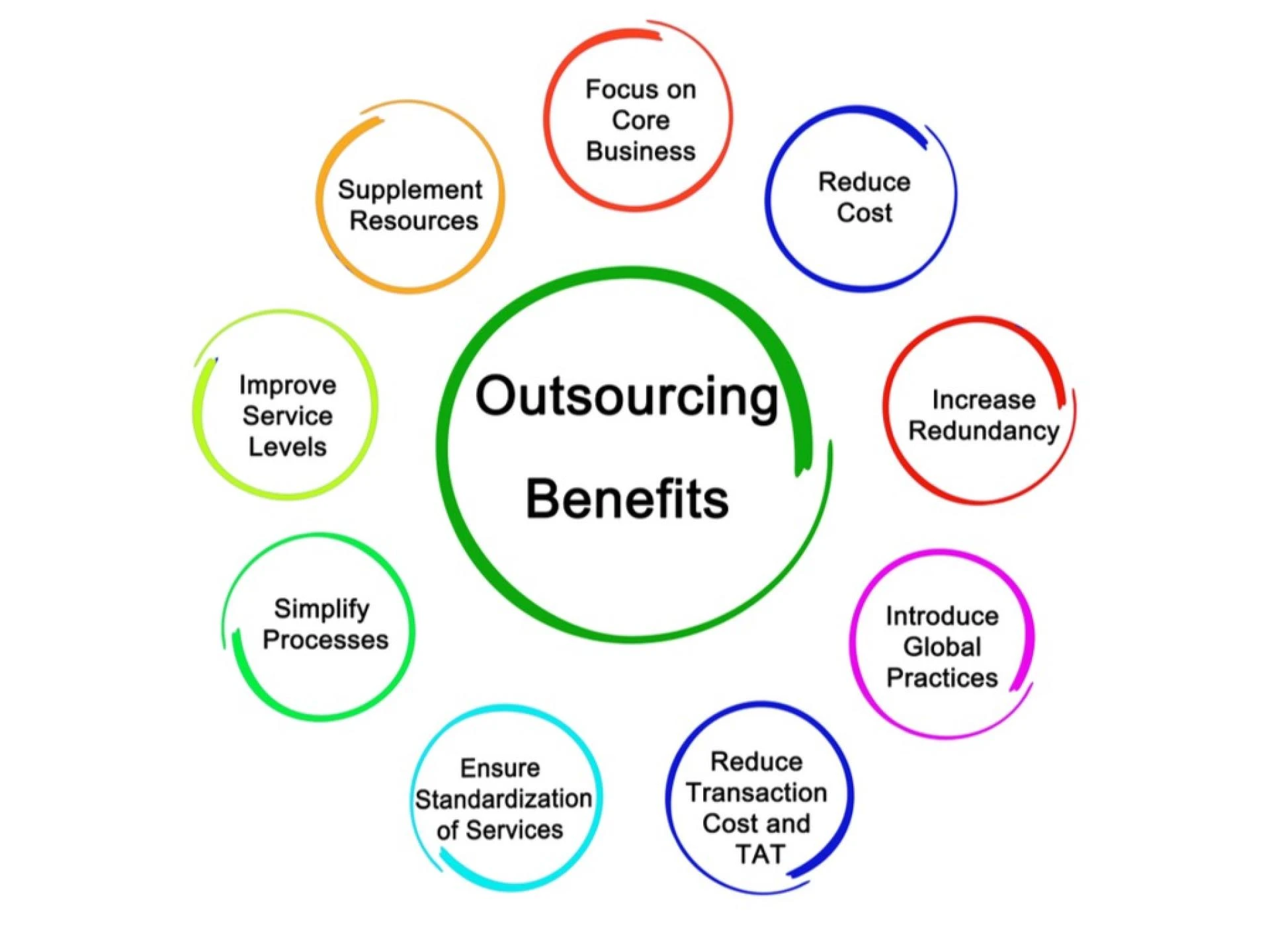
Outsourcing allows employers to scale their workforce positively or negatively based on seasonal demand, project timelines, or consistency of demand.
Faster Market Entry
Organisations can enter new markets faster by outsourcing with employees who have local market knowledge and know the regional regulations and cultural differences.
Access to Specialised Skills
Outsourcing providers have large talent pools across industries and can deliver specialised talent to employers without long recruitment delays.
Reduced Administrative Burden
HR functions that include but are not limited to payroll administrative processes, onboarding processes, and compliance are done outside the employer’s responsibilities, thereby allowing leadership teams to focus on innovation and growth.
Improved Risk Management
Companies share employment responsibilities with outsourcing partners, thereby reducing an employer’s legal and compliance risk.
In addition to all of these operational benefits, outsourcing also provides cultural adaptability in organisations. By integrating outsourced individuals who come from different cultural perspectives, an organisation will gain new ways of approaching problems, new ideas about how to perform work, and new ways of doing their work. These cultural differences can benefit team dynamics and flexibility when working with other customers, suppliers, and stakeholders from any other area of the country.
Industry Examples of Agility Through Outsourcing
- Retail & FMCG – The seasonal peaks of holiday shopping can quickly be supported through sales promoters and customer service roles being outsourced.
- Healthcare – When demand for nursing, administrative, and support roles surges, the need for quick responses is crucial to ensure appropriate and timely care.
- IT & Telecom – Outsourced developers and engineers are often engaged to allow for the rapid deployment of digital transformation projects.
- Hospitality – The tourism cycle, while producing peaks and troughs, needs temporary teams of customer service cones and housekeeping staff.
- Logistics & Supply Chain – E-commerce surges are eventually matched by hiring an on-demand workforce in warehouses and transport.
These examples reflect only how far outsourcing has made the individual task efficient; it allows whole industries to continue being competitive.
Outsourcing as a Strategic Partnership
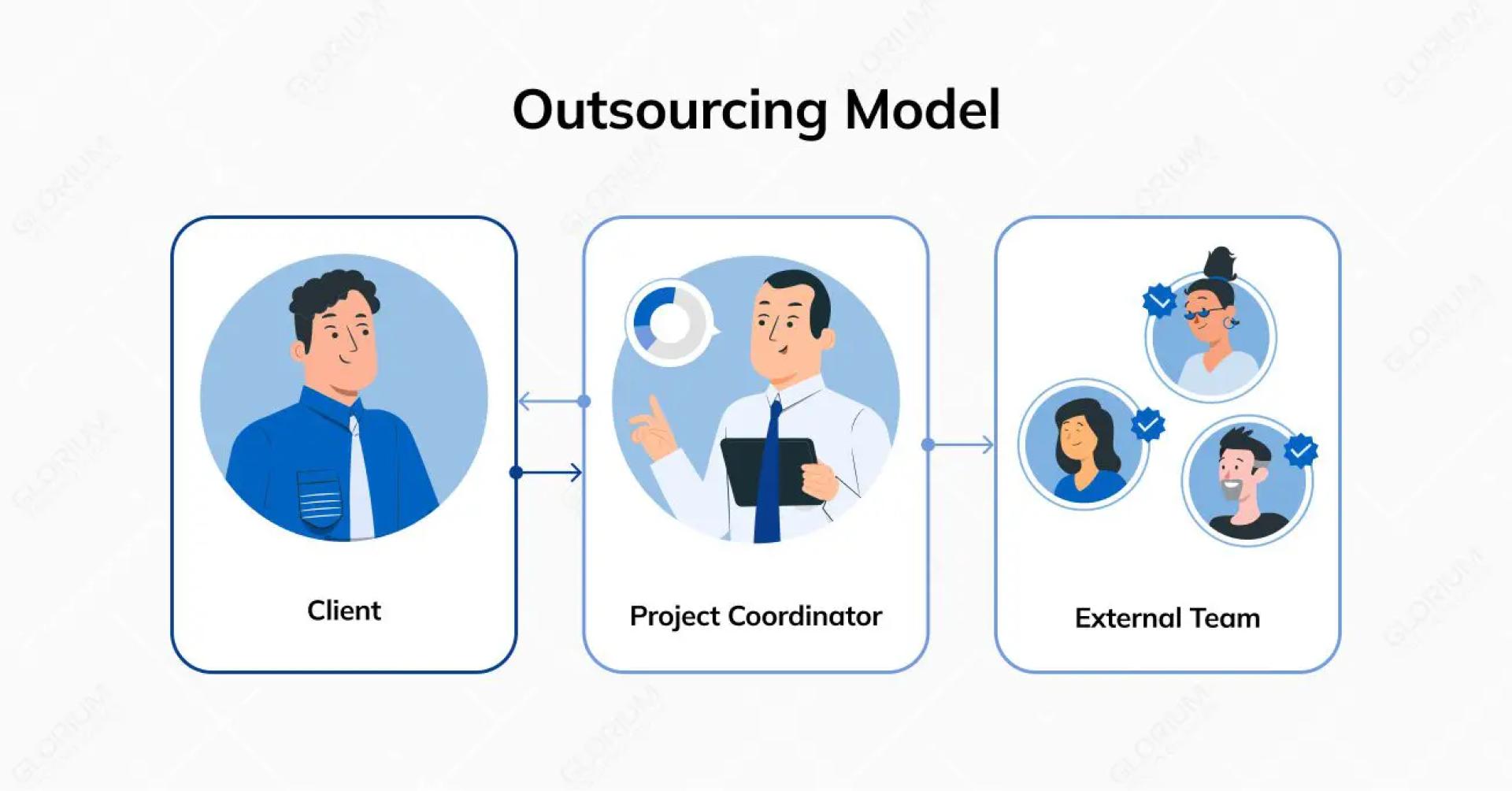
Today, the paradigm of outsourcing is transforming from a transactional model to a collaborative partnership. Rather than supplying labour, outsourcing partners are viewed as extensions of internal HR departments where staffing solutions for business goals meet.
The organisations seeking outsourcing partners in 2025 are:
- Showing competency with deep industry-related knowledge.
- Demonstrating requisite compliance/knowledge based on multiple locales.
- Producing end-to-end HR solutions with offers from recruitment to pay.
- Delivering flexible or scalable staffing models.
Another emerging trend is the emergence of co-innovation by outsourcing providers and client organisations. Instead of just being a service provider, outsourcing companies are now engaging in joint problem-solving, designing unique workforce strategies, and even arbitrating member-needed future skill needs. This co-innovation ensures that outsourcing will generate sustainable solutions to provide value and not be just a tactical, temporary solution to staffing a gap.
Within this lens, staff outsourcing promotes strategic agility, not simply a tactical solution.
Looking Ahead: The Future of Staff Outsourcing
As businesses experience volatility, outsourcing becomes increasingly vital. Some emerging trends include:
- AI-fused Recruitment - Automating candidate matching faster and with a data-driven source.
- Hybrid Workforce Models - Utilisation of outsourced staff as well as employees remote from home will offer the ultimate flexibility.
- Sustainability and Compliance - Increasingly, there will be an added focus on sourcing labour ethically and ESG compliance.
- Global-Local Balance - Access to global capabilities with a strong local presence.
Looking at the trends collectively, it seems likely that staff outsourcing will not only be part of an agile business strategy but also remain desirable well into the future and post-2025.
Ending Notes
Flexibility may have always been an added advantage, but now in 2025, it has become the defining feature of resilient organisations. Staff outsourcing allows organisations to react swiftly, avoiding risks related to investment, and allows for the possibility of experiencing opportunities with limited attachment to a rigid workforce model.
Traditional thinking saw outsourcing as a tactical decision that enabled people to focus on long-term strategies such as innovative production methods, customer satisfaction, and reliable growth. Organisations today need to consider building workforce models that allow them to be future-ready, and ultimately move from staff outsourcing to a more strategic movement to help deal with uncertainty.





























Sign in to leave a comment.