

Workforce management has increasingly become a challenge for organisations of all sizes, especially in vibrant markets such as the Gulf and the wider Middle East. Basically, the businesses are handling a lot of processes at the same time that need coordination, knowledge, and work capacity, such as recruiting, hiring, payroll, benefits, compliance and offboarding staff.
In such a scenario, fully outsourcing the workforce management, i.e. outsourcing all or a major part of workforce management functions to a specialised partner, is not only a cost-saving method but also a strategic solution. By integrating functions such as hiring, HR operations, and payroll into one managed framework, companies can increase productivity, minimise risk and give their internal teams the liberty to concentrate on what really matters.
This article examines what end, to, end outsourcing is and why it is revolutionising the way companies handle their workforces.
The challenge: fragmented workforce processes
Traditionally, each part of the workforce has been working separately.
For example:
- The talent acquisition team focuses on hiring
- HR administration handles employee records and benefits
- The payroll team calculates and processes salaries
- Legal/compliance deals with employment regulations and reporting
The above disintegration leads to inefficiencies, rework, data inconsistencies, compliance gaps, and a lack of communication. In the UAE, Oman, or Saudi Arabia, where labour law, visa procedures, tax obligations, and localisation policies are different, this kind of disjointed process increases the risk.
A good illustration is that according to the 2024 HR industry survey, 68% of organisations have reported operational inefficiencies as a result of disconnected workforce systems, and 53% have experienced compliance lapses that were linked to poor integration between HR and payroll processes.
Such difficulties can make the hiring process longer, lower employee satisfaction, increase costs, and bring one face to regulatory exposure.
What is end-to-end outsourcing?
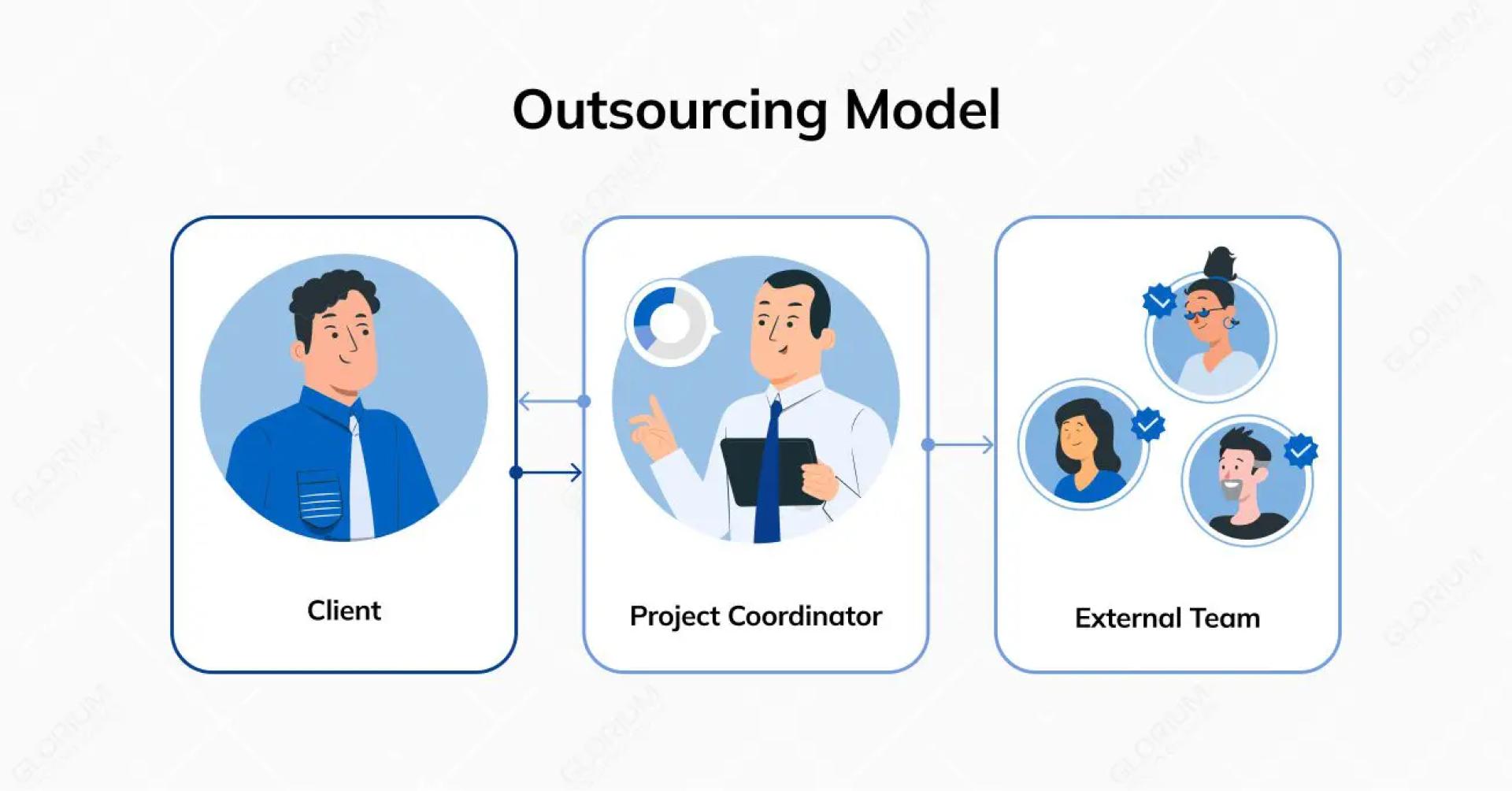
End-to-end outsourcing is when you move different workforce management functions, usually the whole employee lifecycle, to a specialist external provider.
Nowadays, companies don't outsource just one task (like recruitment or payroll) but also hand over the whole chain of related tasks, which go hand in hand, for instance:
- Sourcing talent and recruitment process outsourcing (RPO)
- Employee onboarding and documentation
- HR administration
- Payroll processing and statutory reporting
- Benefits management
- Compliance and regulatory support
- Employee offboarding and exit settlements
This holistic approach allows process simplification, makes accountability the main focus, and facilitates the bringing of operational workflows into alignment.
How end-to-end outsourcing simplifies workforce management
- Unified processes and data integration
A main advantage of end, to, end outsourcing is the continuity of data. When a single provider is responsible for both recruitment and payroll:
- Candidate data is transferred directly into onboarding systems
- Onboarding sections are linked straight to payroll and benefits
- Termination and offboarding return to compliance and record-keeping
This helps to avoid manual data re-entry and lowers the number of errors. Sometimes errors in payroll are one of the most frequent mistakes that lead to compliance failures.
According to global HR analytics, fully integrated HR and payroll systems can save up to 40, 50% of payroll errors, thereby reducing legal risks and boosting employee trust.
- Shorter hiring to productivity cycles
In companies with siloed departments, often the processes of recruitment, onboarding, training, and payroll running completely different timelines.
Saying that, the newly hired employee may have to wait several days or even weeks before becoming fully productive.
By choosing the end-to-end outsourcing:
- Candidates go through centralised workflows for screening, documentation, and onboarding
- Employment contracts are dispatched in line with local legislation
- Payroll is set up before the employee's first payment period
This harmonised strategy noticeably decreases the time it takes for a new employee to be productive, a very significant benefit for rapidly changing industries such as technology, healthcare, logistics, and professional services.
- Stricter Compliance and Regulatory Alignment
It is quite challenging to handle HR, visas, labour law, payroll tax and benefits for a company operating in different jurisdictions. One can get into a serious problem by making a mistake in this area, such as a penalty, disruption of the workforce, and loss of good name.
Complete outsourcing partners have a pool of compliance experts they can call on. Their tasks typically involve:
- Making sure that the employment contract satisfies the local statutory requirements
- Keeping track of the validity of the visa/work permit and the renewal
- Running payroll in a method that is consistent with statutory benefits
Preparing regulatory audit reportsAccording to a Mercer 2025 Asia, Pac workforce survey, companies that outsourced their HR and payroll functions end, to, end recorded half the number of compliance issues and audit problems compared to the ones with internally disjointed systems.
- Cost effectiveness through centralised operations
While there is a service fee when outsourcing, it potentially lowers the total local workforce administration costs by:
- Getting rid of several HR and payroll software licences
- Reducing the number of employees required for the divisions
- Avoiding errors and penalty costs associated with them
Being able to grow without a proportional increase in the number of HR personnel. Market studies reveal that companies that have a fully outsourced solution use 20-30% less on the workforce administration in comparison with the companies managing them on their own.
- Employee Experience Improvement
One of the ways that total outsourcing can benefit the employee experience is:
- Speedier and more transparent employee induction
- Correct payroll on time
- Central support for any HR, related questions
- Clear benefits administration
Providing a good experience to employees results in better retention, which is a big plus in talent competition markets where turnover is high.
Practical considerations for businesses
Businesses that are planning to go for complete outsourcing of their workforce management should first examine the following features of their potential service providers:
- Range of services offered (recruitment, payroll, HR, compliance)
- Local compliance knowledge of the service provider in the location where the client is conducting business
- Provider's data security and privacy policies
- Compatibility of the outsourcing provider's systems with the client's existing ones
- Service level agreements (SLAs) and reporting capabilities
To conclude with
Workforce management is getting more challenging, especially in diverse markets such as the UAE, Saudi Arabia, Bahrain, and Oman. In line with that, companies are realising the advantages of outsourcing all end, to, end workforce management functions.
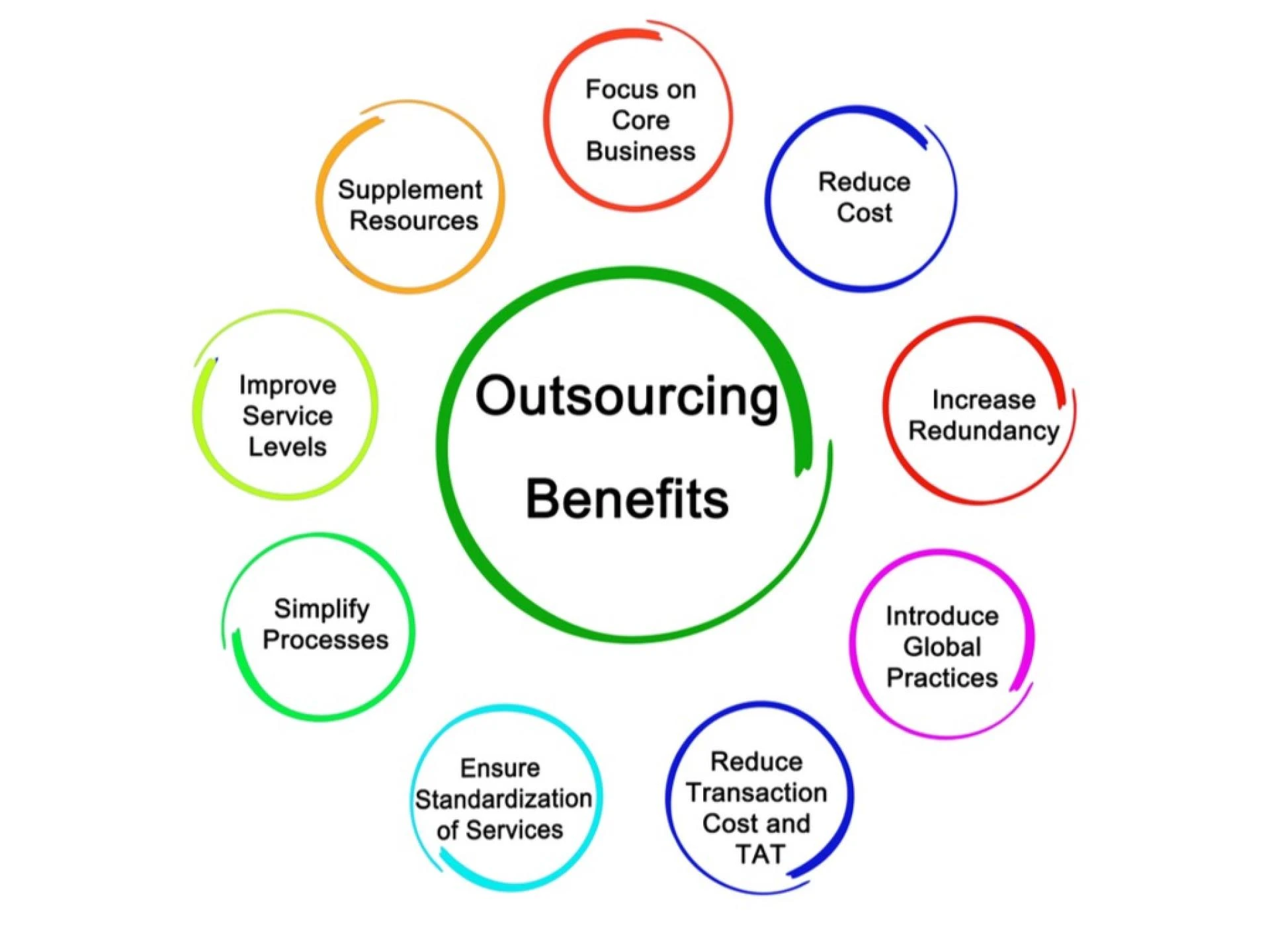
By combining recruitment, HR operations, payroll, and compliance into one managed service, companies can have a simpler workflow, be more accurate, lower their risk, save administrative costs, have more productivity and employee satisfaction.
Since workforce agility is nowadays more of a must than a nice, to, have, end, to, end outsourcing is no longer just a quick fix but is fast becoming a strategic necessity.




























Sign in to leave a comment.