Healthcare has entered a new era—one driven by connectivity, data, and digital convenience. Today’s patients expect the same seamless experience from their healthcare providers that they enjoy from their favorite apps—whether it’s booking a ride, ordering food, or managing finances.
Unfortunately, many healthcare organizations still rely on fragmented systems, siloed data, and manual workflows that slow down care and frustrate both patients and providers. The result? Disconnected experiences, inefficient operations, and missed opportunities for engagement.
This is where the Unified Healthcare Platform steps in—an innovation built to unify the entire healthcare journey into one connected, intelligent, and patient-centric ecosystem.
💡 The Challenge: Fragmentation in Healthcare
The modern healthcare system is an intricate network of tools and processes. From patient registration and billing to communication and care delivery, each stage often operates on a different platform.
This fragmentation creates multiple barriers:
- Patients must juggle different portals to access records or pay bills.
- Providers spend hours toggling between systems.
- Administrators face data mismatches and compliance headaches.
In short, everyone loses—especially the patient.
But what if there was a single, unified system that connects every stakeholder and simplifies every interaction?
🚀 The Solution: The Power of a Unified Healthcare Platform
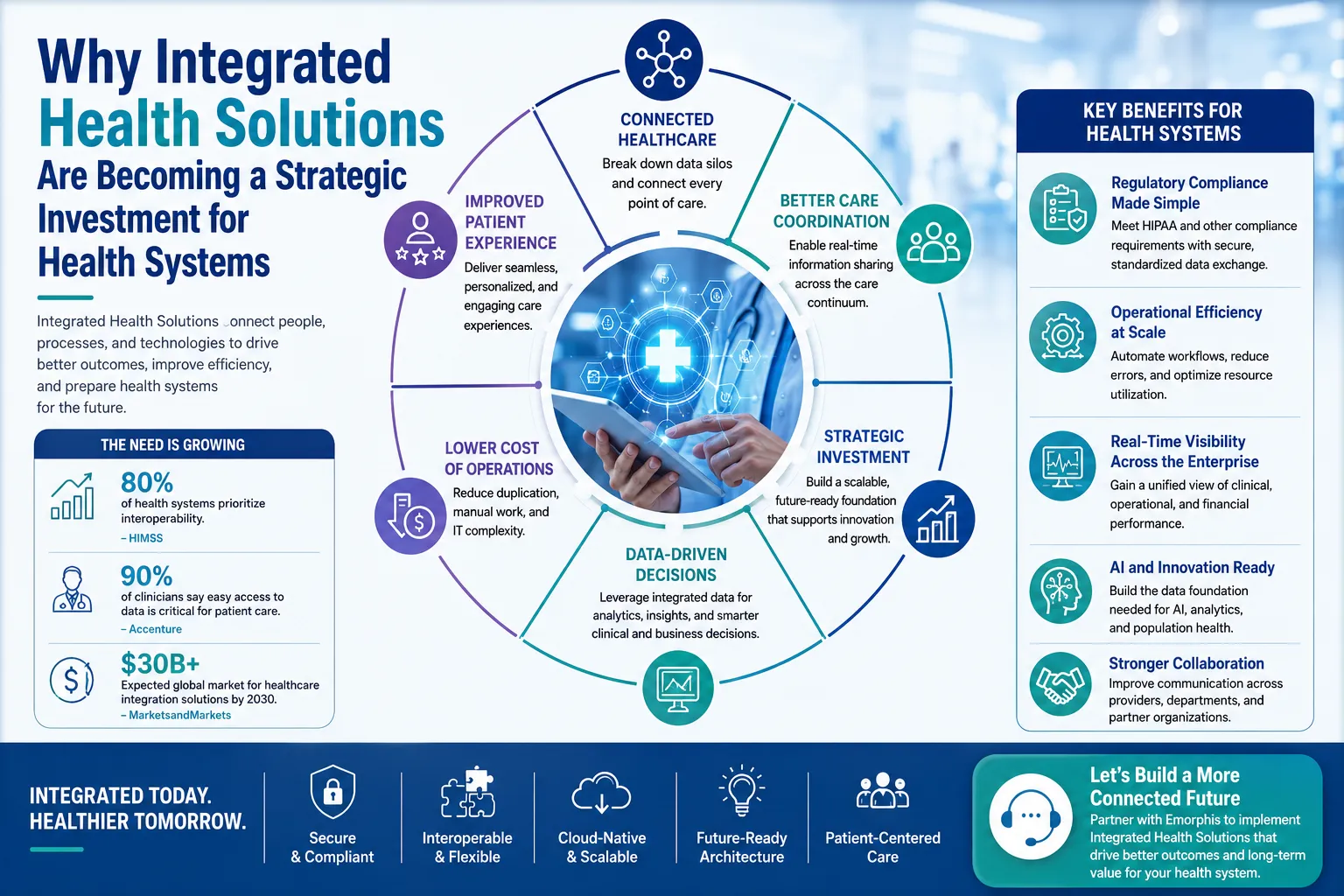
A Unified Healthcare Platform integrates all aspects of healthcare delivery—clinical operations, patient engagement, billing, intake, communication, and analytics—under one digital roof.
It’s not just about convenience—it’s about transformation.
Here’s how a unified approach changes the game:
1. Connected Data, Smarter Care
When every department—from front desk to finance—shares a single data source, errors disappear, and insights emerge. Providers get a 360° view of each patient’s journey, enabling more personalized, proactive care.
2. Seamless Patient Experiences
Imagine a patient who can book an appointment, complete intake forms, chat with their provider, pay bills, and access lab results—all from one secure portal. That’s not the future; it’s what unified platforms deliver today.
3. Operational Efficiency at Scale
Automation and integration eliminate repetitive tasks, reduce administrative overhead, and free up staff to focus on what truly matters—delivering quality care.
4. Better Engagement, Better Outcomes
Unified systems empower patients to take charge of their health through education, communication, and real-time access. Engaged patients are healthier patients.
🧠 Beyond Integration: Intelligence and Insight
A truly modern Unified Healthcare Platform doesn’t just consolidate systems—it leverages AI and analytics to drive smarter decision-making.
By analyzing patient behavior, utilization patterns, and feedback, healthcare organizations can identify bottlenecks, predict needs, and optimize operations. It’s not just digital—it’s intelligent healthcare.
🏥 Why Healthcare Providers Are Making the Shift
Healthcare organizations adopting unified platforms see tangible benefits:
- 30–40% improvement in workflow efficiency
- Reduced no-show rates with automated reminders
- Increased patient satisfaction through digital convenience
- Faster revenue cycles with integrated billing and payments
In an era where experience defines loyalty, these advantages aren’t optional—they’re essential.
🌟 The Road Ahead
The shift toward unified platforms marks a turning point for healthcare. No longer should patients struggle with disconnected systems, or providers waste time managing multiple tools.
With a Unified Healthcare Platform, healthcare becomes what it should have always been—seamless, transparent, and centered around the patient.
The question isn’t whether your organization can afford to unify—it’s whether you can afford not to.


























Sign in to leave a comment.