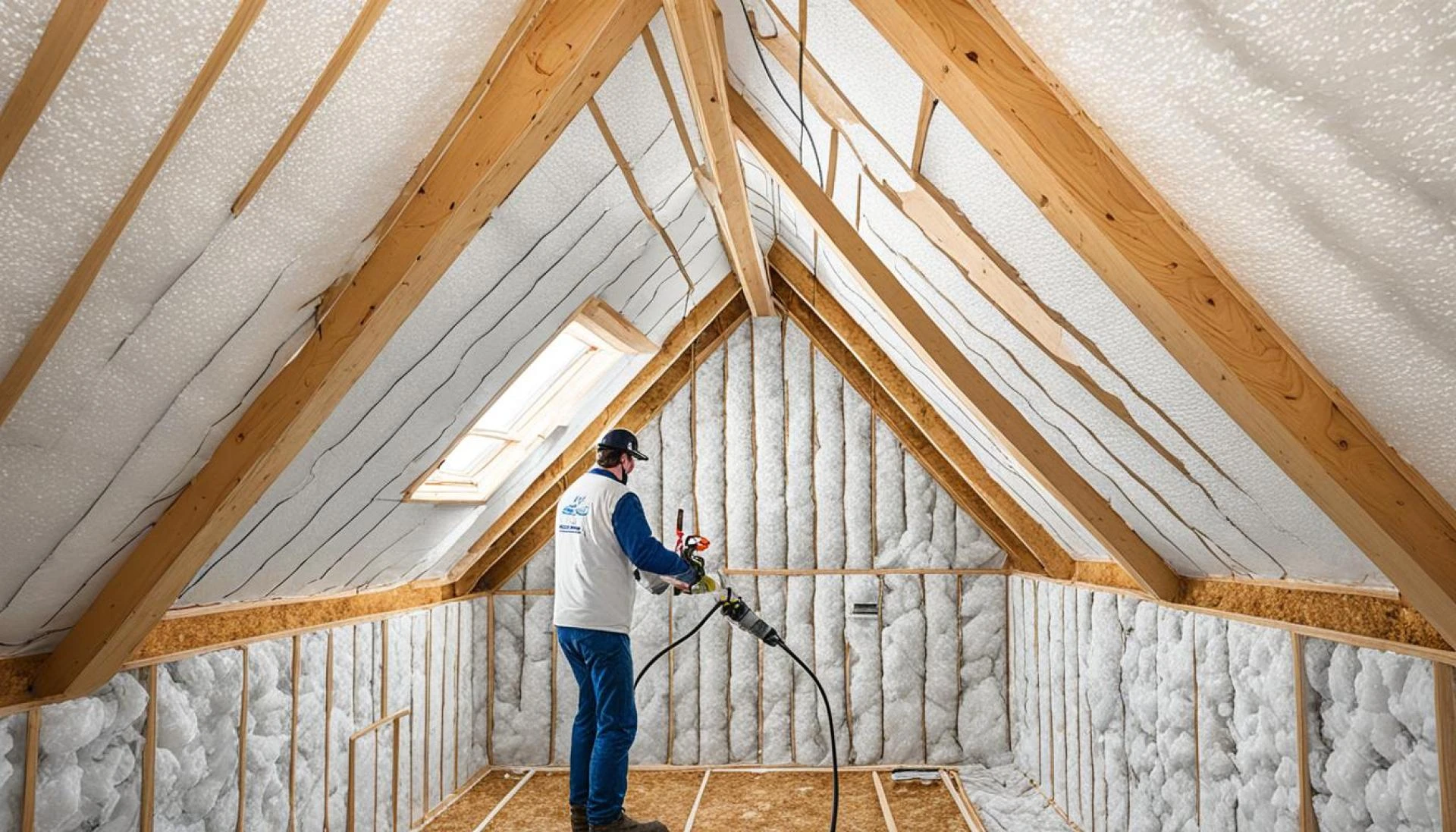
Spray foam insulation serves as a comprehensive building envelope solution that simultaneously addresses thermal regulation, air leakage, and structural durability. Unlike traditional fibrous materials, which only slow heat transfer, homeowners choosing spray foam insulation in Grants Pass, OR benefit from a material that expands to create a solid seal, preventing conditioned air from escaping and outdoor pollutants from entering. This ability to form a continuous barrier makes spray foam insulation one of the most effective methods for protecting modern homes against energy loss and environmental stress.
Industry data confirms that air leakage is responsible for up to 40 percent of energy loss in residential structures. By eliminating the gaps and cracks that allow this air movement, spray foam insulation significantly reduces the workload on heating and cooling systems. This guide explores the protective qualities of spray polyurethane foam (SPF) and provides homeowners with the necessary information to evaluate its role in home maintenance.

The Mechanics of a Sealed Envelope
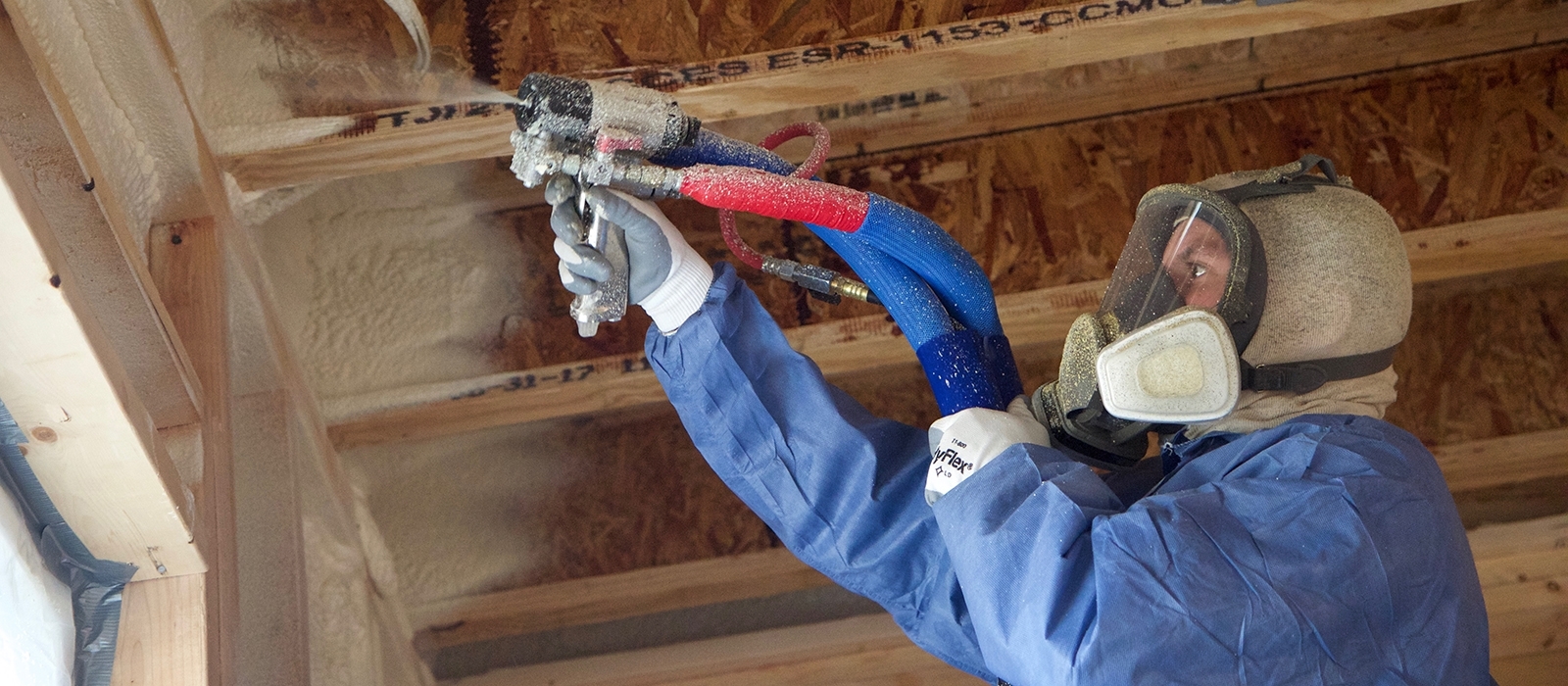
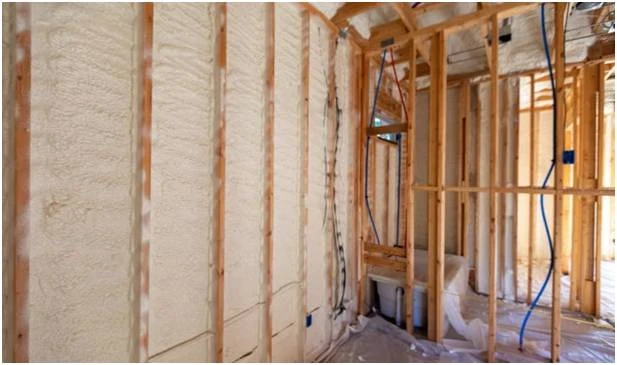
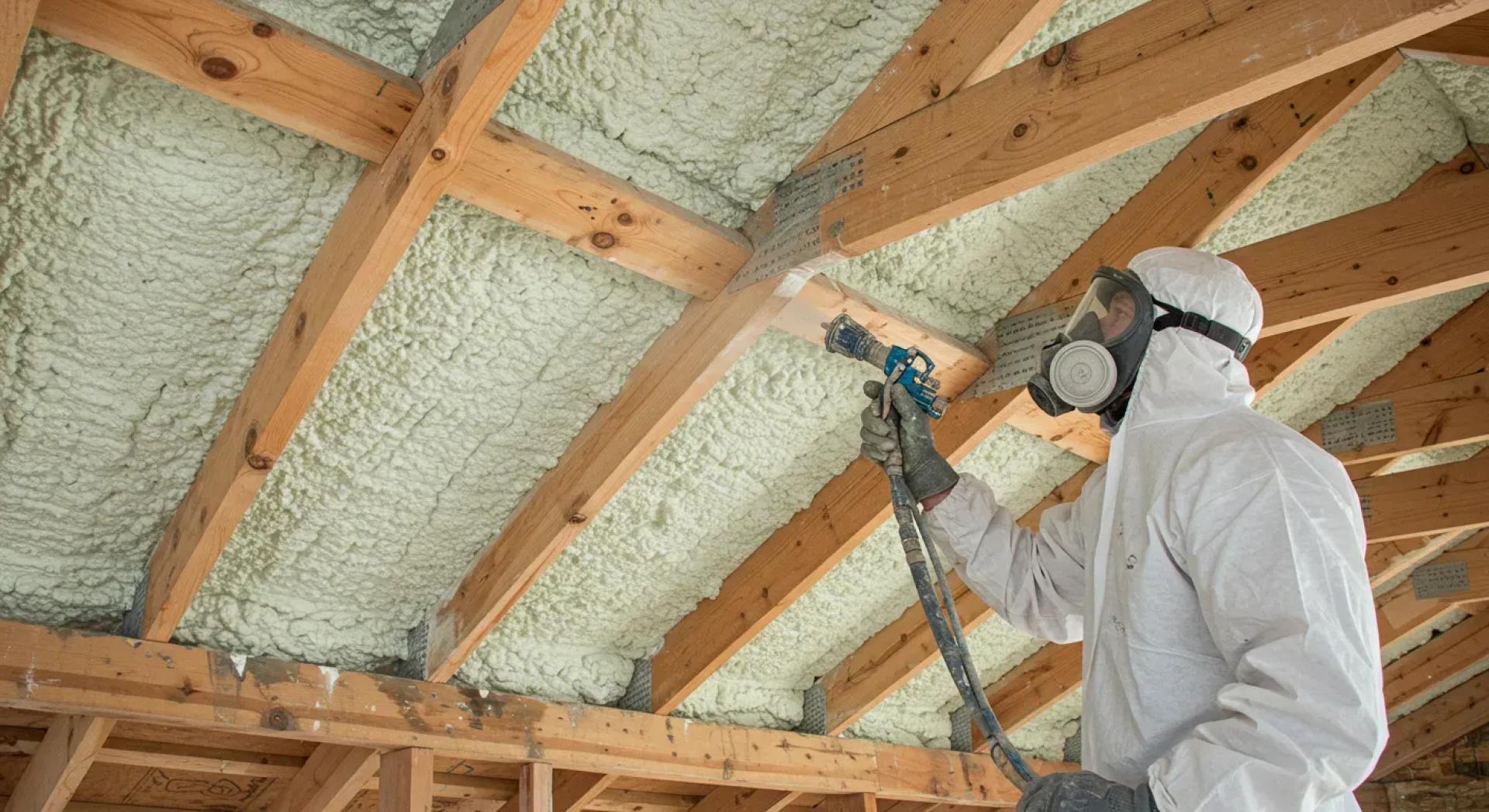
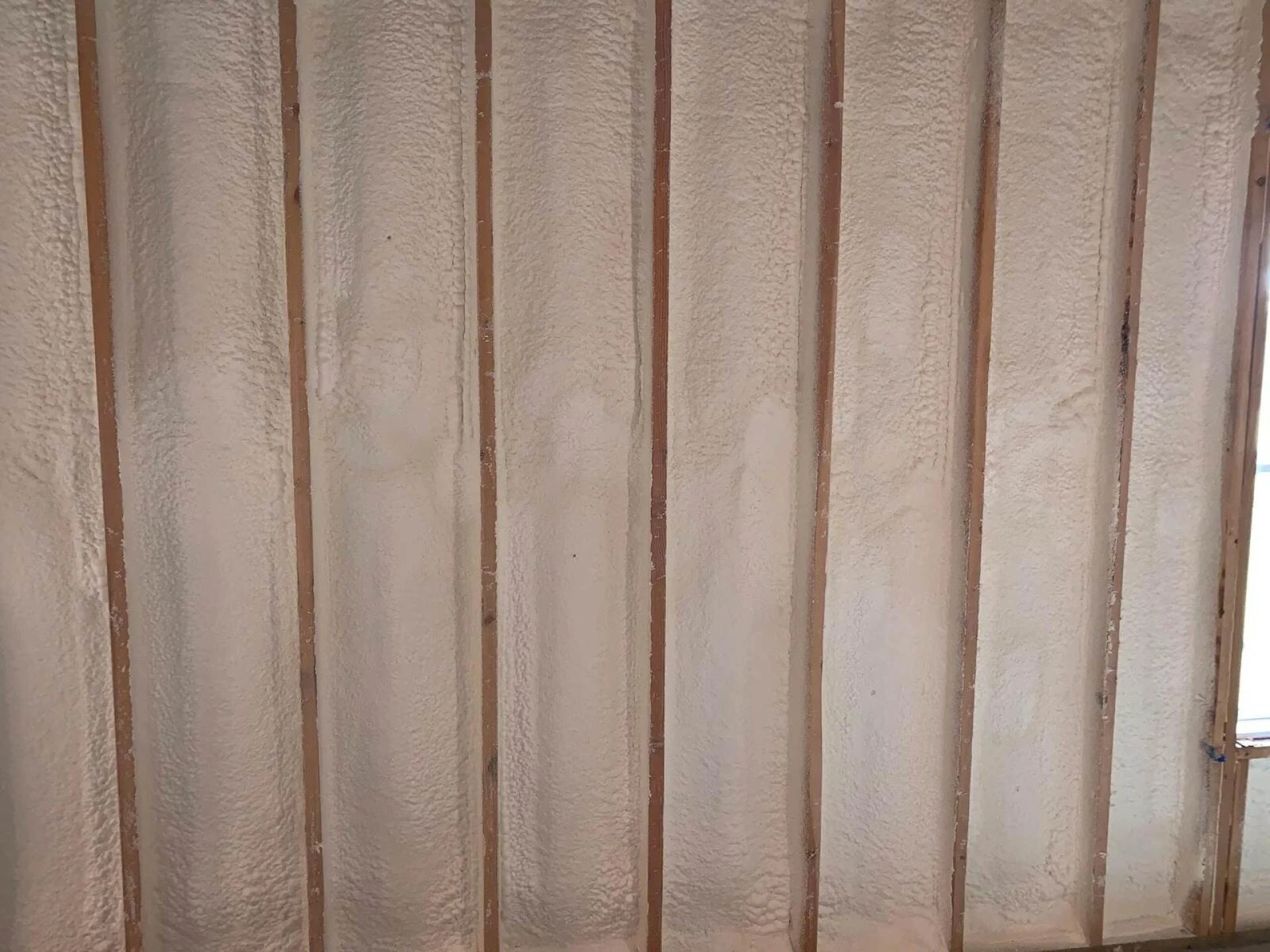
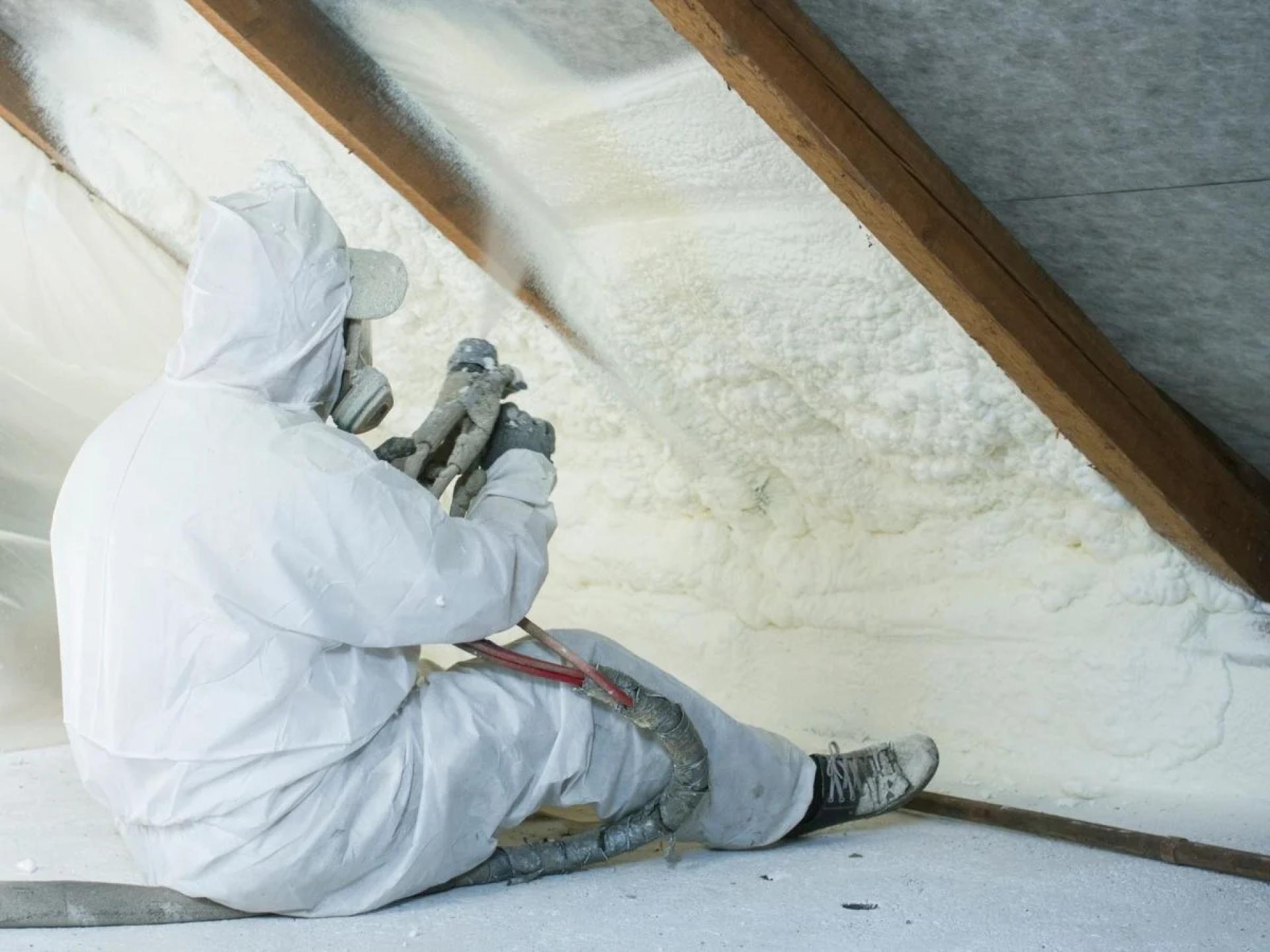
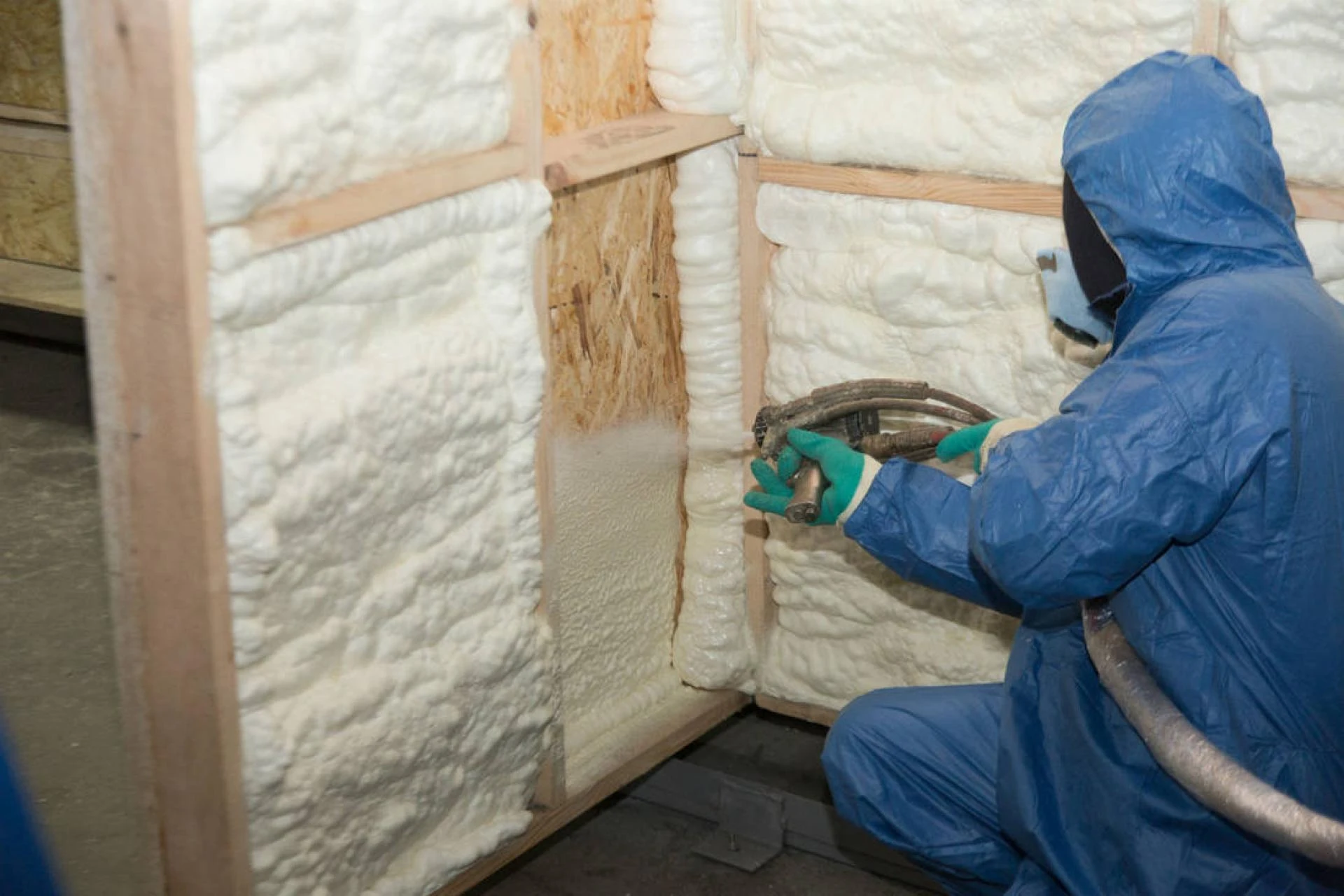
The primary advantage of spray foam lies in its application method and chemical properties. When the two-component mixture is sprayed onto a surface, it undergoes a rapid expansion reaction, allowing it to fill every crevice, hole, and irregular space within the wall cavity or attic. This process creates a monolithic seal that blocks air movement more effectively than cut-and-fitted materials.
Building scientists refer to this as the "building envelope," which serves as the house's skin. A tight envelope is critical for maintaining consistent indoor humidity levels and preventing moisture-laden air from condensing inside walls.
- Chemical Bond: The foam adheres directly to wood, metal, and concrete, preventing it from sagging or settling over time.
- Expansion Ratio: Depending on the type, the foam expands 30 to 100 times its liquid volume to ensure total coverage.
- Thermal Bridge Reduction: Continuous insulation covers framing members, reducing heat transfer through wooden studs.
Structural Reinforcement Capabilities
Beyond thermal protection, closed-cell spray foam adds significant structural strength to a home. Because the material cures into a rigid, dense plastic, it bonds the exterior sheathing to the wall studs and roof trusses. This connection increases the wall's racking strength, making the building more resistant to high winds and severe storms.
Preventing Moisture Intrusion
Water is the most damaging element to a home's structural integrity. Closed-cell spray foam acts as a Class II vapor retarder, meaning it resists the passage of water vapor. This protects wooden framing from the rot and mold growth that often occurs when moisture becomes trapped behind permeable insulation types like fiberglass.
Bonus Tip: Rim Joist Sealing
The rim joist, where the house frame meets the foundation, is a notorious source of air leaks and pest entry. Applying spray foam to this specific area effectively seals the basement or crawl space from the outside, preventing cold floors and insect infestation.
Comparison of Protective Features
Homeowners often weigh the benefits of spray foam against other common materials. Understanding the distinct protective qualities of each option helps in making an informed choice for long-term home health. The following table outlines how different insulation types perform in terms of protection and durability.
| Protective Feature | Closed-Cell Spray Foam | Open-Cell Spray Foam | Fiberglass Batts |
|---|---|---|---|
| Air Barrier | Excellent (Impermeable) | Excellent (Air impermeable) | Poor (Permeable) |
| Water Resistance | High (Repels bulk water) | Low (Absorbs water) | Low (Absorbs water) |
| Structural Strength | Adds structural rigidity | No structural strength | No structural strength |
| Pest Deterrent | Rigid barrier (Difficult to chew) | Soft barrier | Easy nesting material |
| Lifespan | 80+ years | 80+ years | 15-25 years |
| Vapor Retarder | Yes | No | No |
Things to Consider Before Making a Decision
Choosing to upgrade to spray foam insulation involves evaluating the property's specific needs and the available project budget. While the performance benefits are clear, certain factors must be addressed before installation to ensure the system functions correctly.
Ventilation and Air Quality
Creating an airtight home significantly improves energy efficiency, but it also changes how the house "breathes." Without natural air leaks, mechanical ventilation becomes necessary to introduce fresh air and exhaust stale indoor pollutants.
- HVAC Assessment: A tighter home requires less energy, meaning the existing furnace or air conditioner might be oversized for the new load.
- Fresh Air Systems: Installing an Energy Recovery Ventilator (ERV) is often recommended to maintain healthy indoor air quality.
- Combustion Safety: Homes with gas appliances must be tested to ensure they draft correctly without the assistance of random air leaks.
A Note on Existing Insulation
Retrofitting an existing home often requires removing old, dirty insulation. This step allows installers to inspect wiring and address any pre-existing water damage before covering the area with permanent foam.
Questions People Ask About Spray Foam
Prospective buyers often have specific concerns regarding the safety and longevity of spray foam products. The following answers address the most common inquiries related to home protection and performance.
Is spray foam insulation safe for my family?
Yes, once the material has cured (typically 24 to 48 hours), it is inert and safe for occupants. Professional installers use ventilation fans during the process to remove off-gassing fumes, ensuring the indoor air remains clean after the work is complete.
Will spray foam hide roof leaks?
Closed-cell foam creates a water-resistant barrier, which prevents water from dripping through immediately. However, most leaks will eventually manifest at the edges of the foam or through the roof deck, and a good roof inspection routine prevents this issue.
Does spray foam reduce outside noise?
Open-cell spray foam is an excellent sound absorber due to its softer, sponge-like density. It significantly reduces noise transfer from traffic, neighbors, or weather, creating a quieter interior environment compared to uninsulated walls.
Can pests eat through spray foam?
Spray foam does not offer any nutritional value to pests. While it is not a pesticide, the dense nature of closed-cell foam makes it difficult for rodents to chew through, and it effectively blocks the scent trails ants and other insects use to enter the home.
How long does spray foam insulation last?
Spray foam is a permanent solution that lasts the life of the building. Unlike loose-fill or batt insulation, it does not shrink, settle, or degrade over time, meaning it maintains its R-value indefinitely without needing replacement.
Summary of Protection Benefits
Spray foam insulation offers a level of home protection that goes beyond simple temperature control. By creating a sealed, durable, and moisture-resistant envelope, it safeguards the structure against the elements while ensuring optimal energy efficiency. The investment in this advanced material results in a stronger, quieter, and healthier living environment.
Homeowners who prioritize long-term durability and comfort find that the initial cost of spray foam is offset by the reduction in utility bills and maintenance issues. Assessing the specific requirements of the home, such as moisture risks and structural needs, ensures the correct product is selected for maximum benefit.
Professional Insulation Services
All Foam & Insulation, LLC provides expert installation services designed to enhance the protection and efficiency of local homes. They utilize advanced techniques to ensure every project meets the highest standards of safety and performance. For a detailed assessment or to discuss insulation options, homeowners can reach them at (541) 826-9600 or via email at joe@allphasewx.com.
Reviewer: Lily Johnson offered her feedback after reviewing this post. With 8 years in the spray foam insulation field, her suggestions focused on improving outreach to homeowners seeking high-quality insulation solutions.





Sign in to leave a comment.