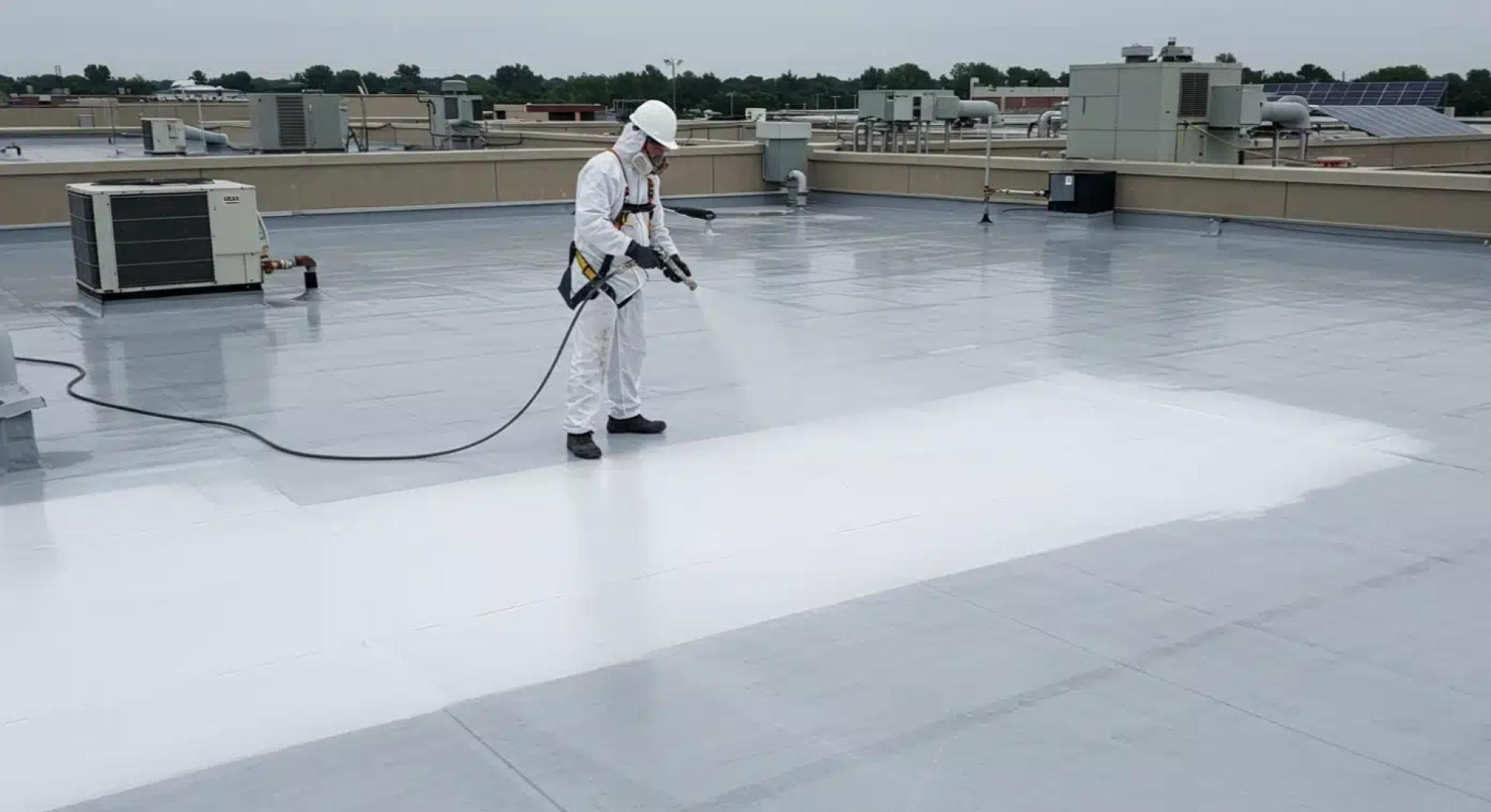

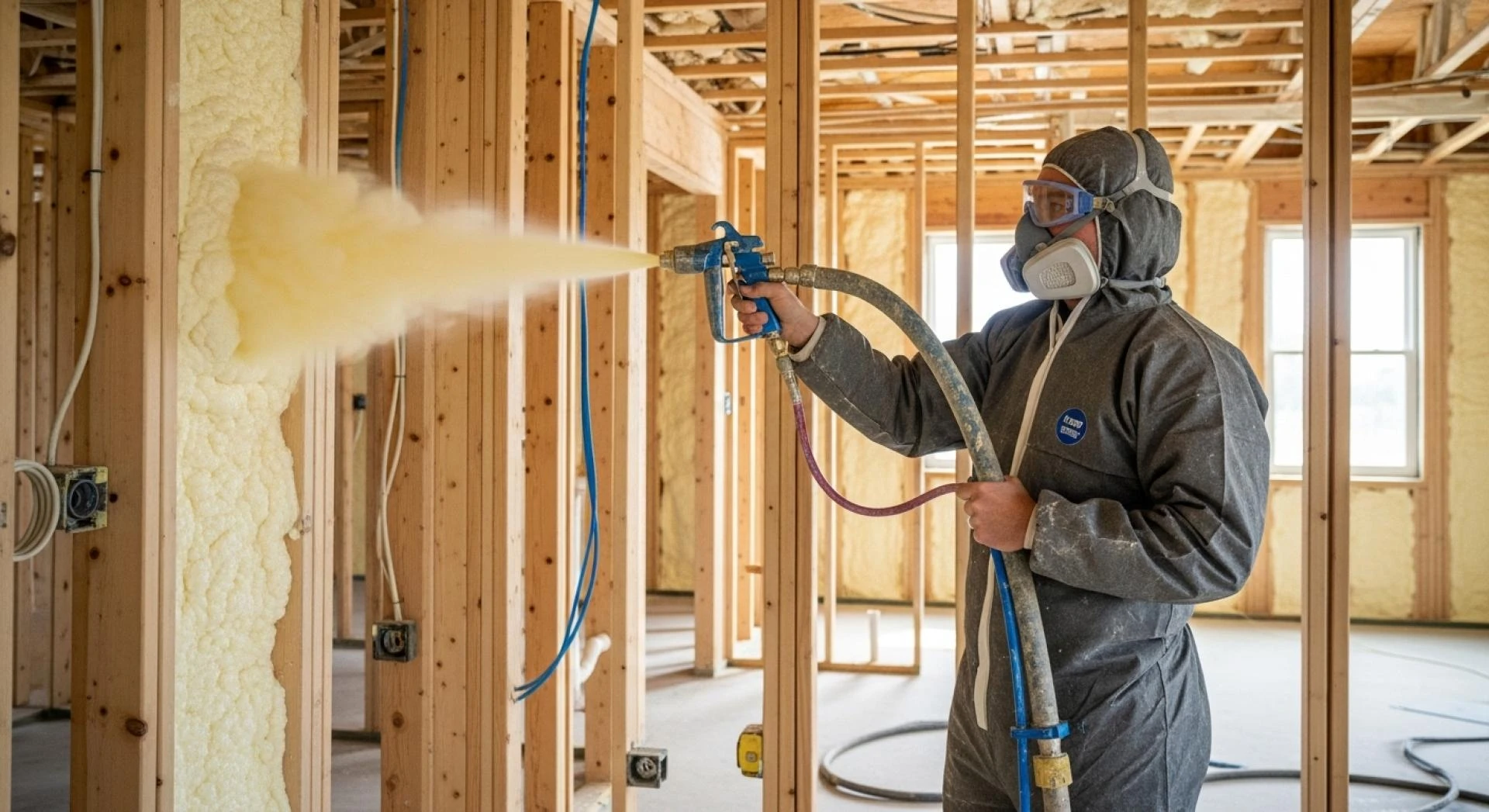
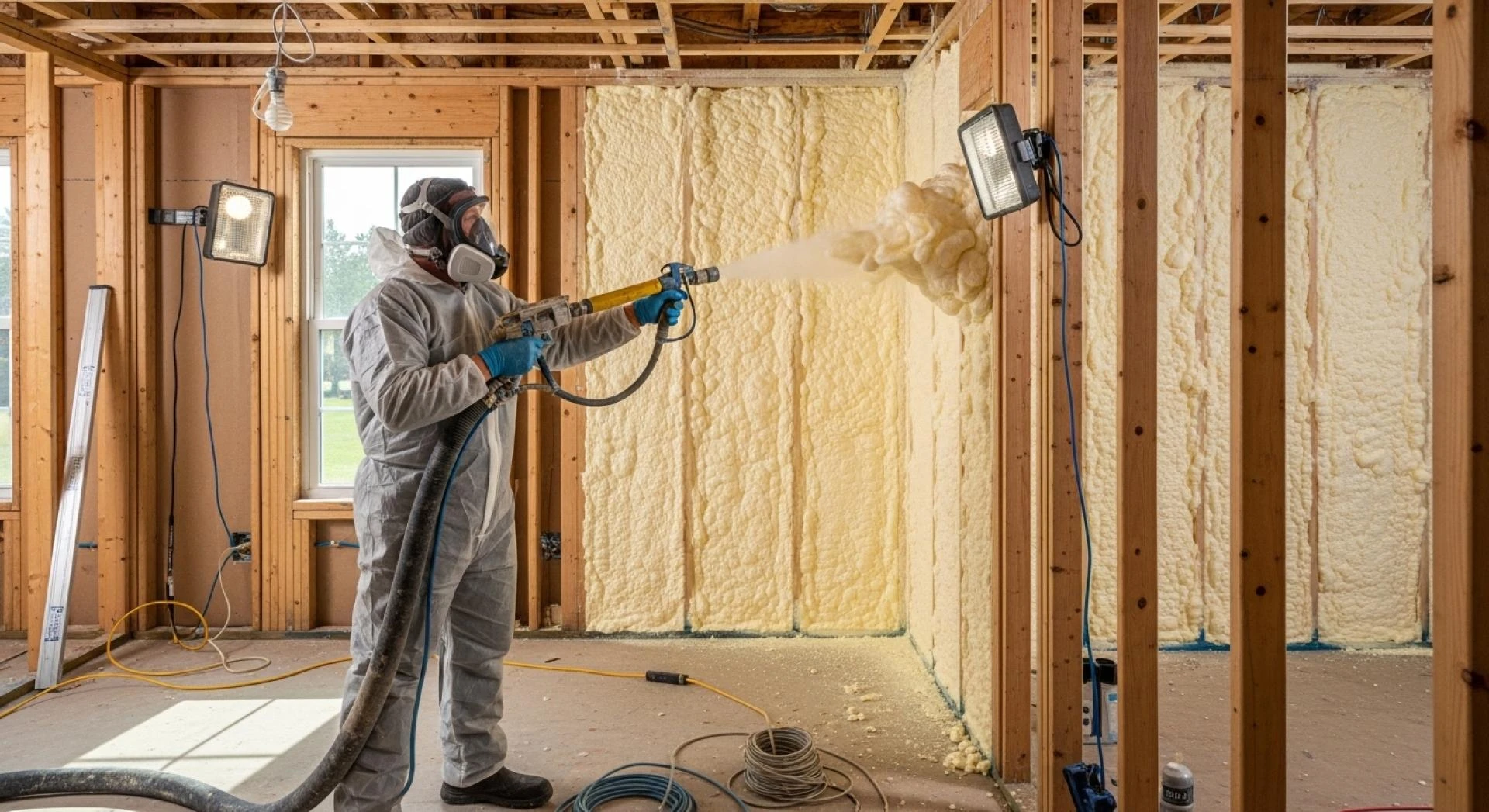
Spray foam insulation provides real comfort by creating a total air seal and thermal barrier that traditional materials cannot match. It stops outside air from entering the home, eliminating drafts and keeping temperatures steady from room to room. By filling every gap in the attic and walls, this material prevents conditioned air from escaping, allowing heating and cooling systems to operate more efficiently.
Professional spray foam insulation delivers real comfort with spray foam insulation benefits by sealing air leaks and preventing moisture intrusion. This advanced material forms a continuous thermal barrier, maintaining consistent indoor temperatures year-round, reducing HVAC strain, and extending the lifespan of mechanical systems. Ideal for both residential and commercial properties, it provides long-lasting performance and enhances property value. Residents and property owners can experience these benefits firsthand, enjoying lower energy costs, improved comfort, and reliable protection for their buildings.

Immediate Comfort Improvements for Modern Homes
The main reason people choose spray foam is the drastic change in indoor stability it provides. Traditional fiberglass often allows air to pass through it, but foam acts as a solid shield against the elements. This means the house stays warmer in winter and cooler in summer without the HVAC system running constantly to keep up with outdoor temperatures.
Temperature Regulation and Humidity Control
One of the most significant advantages of this technology is its ability to manage humidity levels inside the building. In humid environments, moist air often seeps through small cracks, making the indoor air feel sticky or heavy. Spray foam blocks moisture infiltration, helping the air conditioner remove humidity more effectively and creating a crisp, dry indoor environment.
Managing Air Infiltration
Air infiltration occurs through tiny holes around windows, doors, and electrical outlets that are often invisible to the naked eye. The expansion of the foam allows it to reach into these small voids and seal them completely. This prevents the "stack effect," where air enters through the bottom of the house and escapes through the top, pulling dust and outdoor pollutants along with it.
Bonus Tip for Attic Seals
When sealing an attic with foam, it is a good idea to ensure the attic hatch or pull-down stairs are also properly weather-stripped. Even the best roof insulation can lose effectiveness if a large hole in the ceiling allows air to exchange between the living room and the unconditioned space above the garage or porch.
Practical Advantages of High-Performance Insulation
The benefits of a well-insulated home extend beyond just the temperature of the air. Modern materials create a quieter environment by absorbing external noise and reducing sound transmission through walls. This creates a more peaceful atmosphere for families living near busy roads or in active neighborhoods, where external noise is a frequent distraction.
- High-density foam provides a significant reduction in noise from traffic, lawn mowers, and loud neighbors by dampening sound vibrations.
- The airtight seal prevents pollen, dust, and other outdoor allergens from entering the home, improving the indoor air quality for those with sensitivities.
- By maintaining a steady temperature, the material reduces the risk of frozen pipes in the winter by keeping the plumbing within a temperate zone.
- The material does not sag or settle over time, so the comfort benefits and R-value remain consistent throughout the structure's life.
Technical Comparison of Residential Insulation
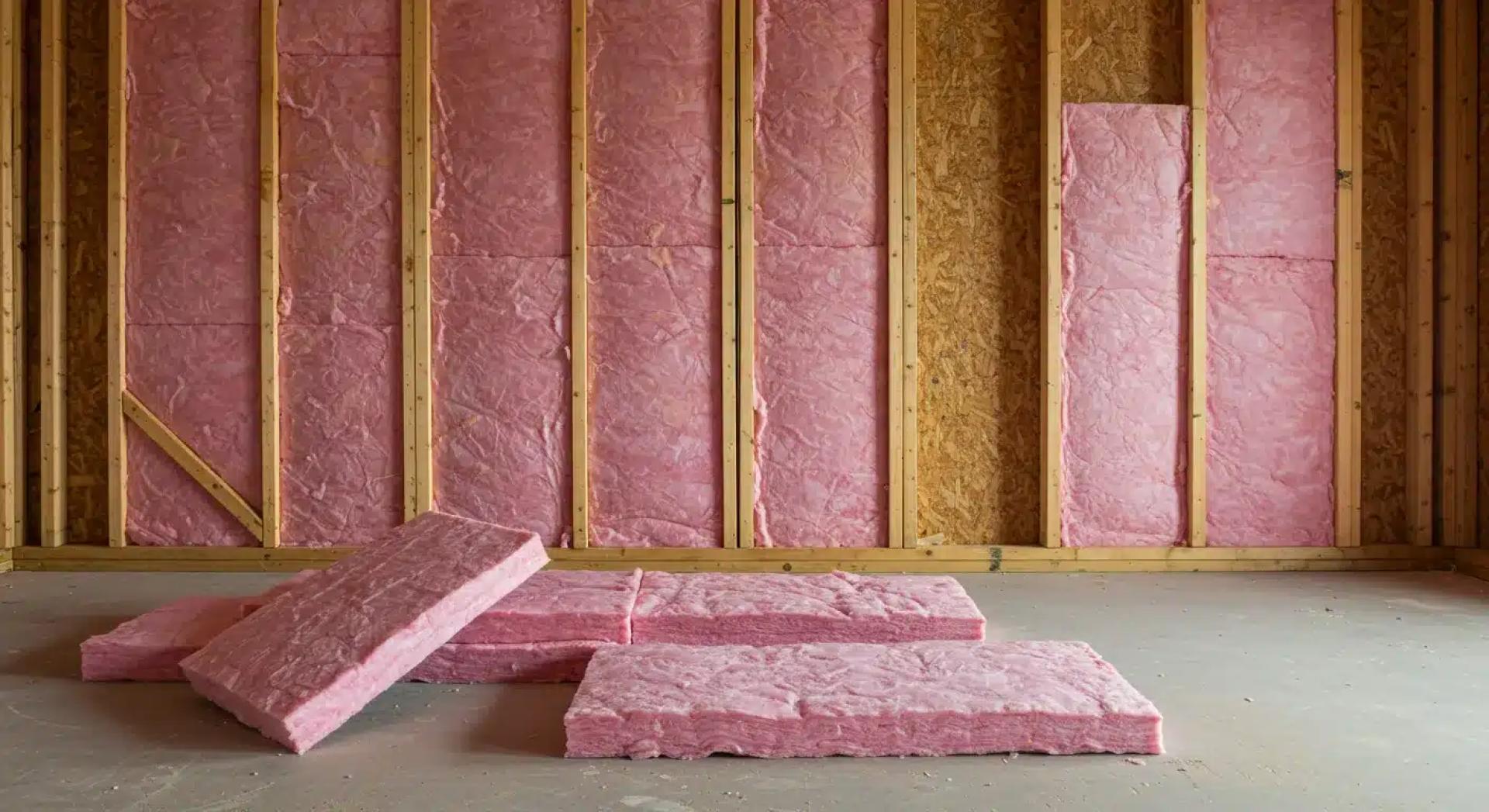
Selecting the right material requires an understanding of how different products perform under various conditions. The following table provides a clear comparison of spray foam with traditional options in terms of thermal resistance and physical properties that affect home comfort.
| Feature | Fiberglass Batts | Cellulose | Open-Cell Foam | Closed-Cell Foam |
|---|---|---|---|---|
| R-Value per Inch | 2.2 to 2.9 | 3.2 to 3.8 | 3.5 to 3.9 | 6.0 to 7.0 |
| Air Barrier | No | Low | Yes | Yes |
| Moisture Resistance | Low | Low | Moderate | High |
| Sound Dampening | Moderate | High | Very High | High |
Structural and Air Quality Impacts
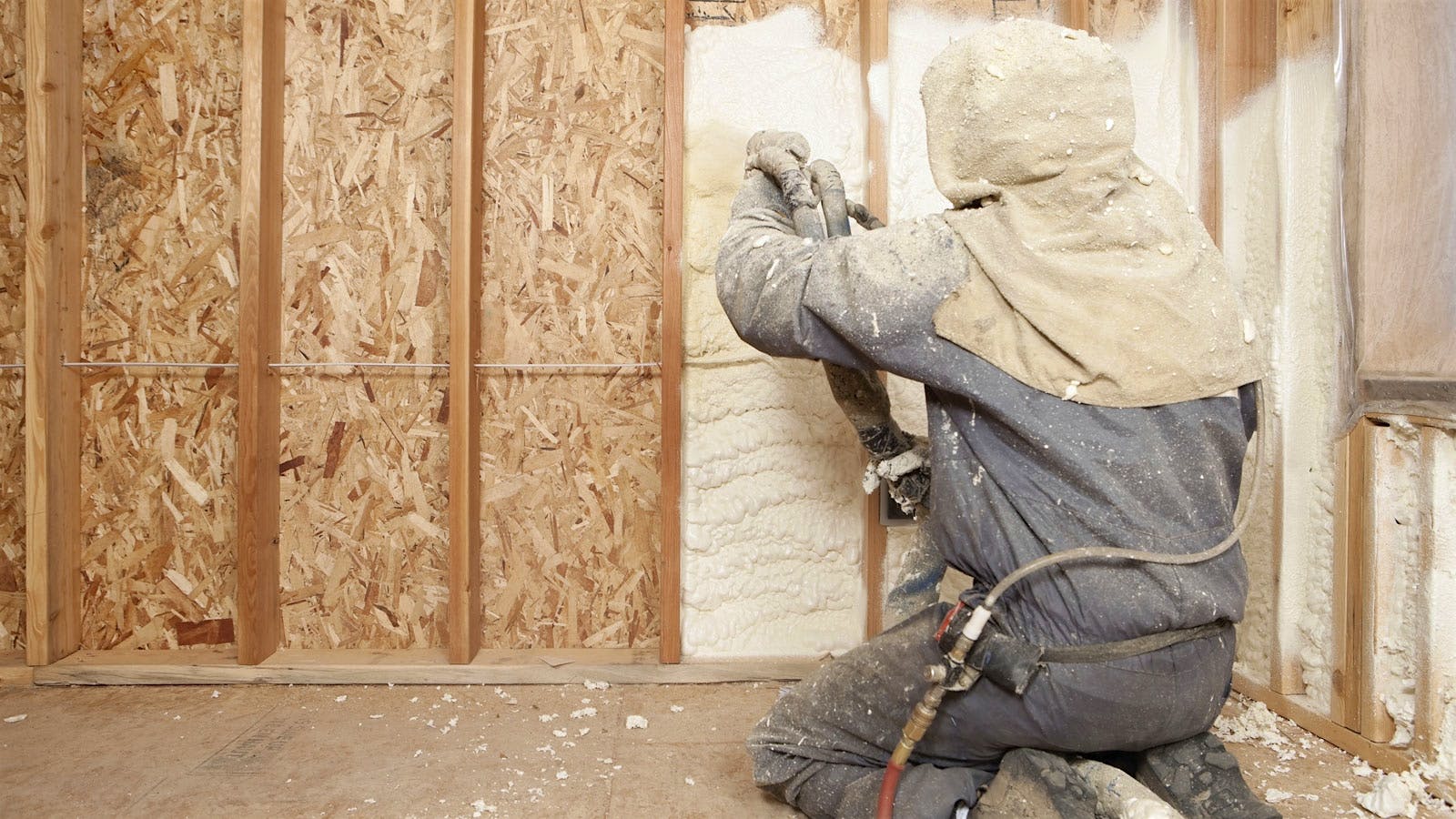
Quality insulation acts as a protective layer for the entire building structure by preventing the condensation that leads to wood rot. When warm air meets a cold surface, moisture forms, but spray foam keeps surfaces at a more uniform temperature to avoid this issue. This proactive approach to moisture management is a key factor in maintaining a healthy and durable home for decades.
- Closed-cell foam adds structural strength to walls and the roof deck, helping a home better withstand the pressure of high winds during storms.
- The material is not a food source for insects or rodents, helping keep local pests from nesting in walls or attics.
- Reduced energy demand means the air conditioning system lasts longer because it does not have to work as hard to maintain the desired temperature.
- By blocking outdoor pollutants, the insulation contributes to a cleaner indoor environment that requires less frequent dusting and filter changes.
Impact on Indoor Air Quality
A sealed home is a cleaner home because it limits the paths that dust and outdoor particles can take to enter the living area. When the building envelope is tight, the air circulating through the HVAC system is more easily filtered and controlled. This leads to a noticeable improvement in overall air quality, a major factor in the long-term comfort of occupants.
Bonus Tip for Filter Maintenance
After a home is sealed, homeowners should check their air filters every month for the first few months. The change in air pressure can sometimes pull existing dust out of older ductwork until the house reaches a new, cleaner balance. Keeping fresh filters in the system will ensure the best possible breathing air during this transition.
Material Safety and Standards
Professionals manage the material mix and pressure settings during installation to ensure the foam cures correctly and safely. Following these technical standards ensures the insulation will perform as expected without issues. Experts in the trade prioritize these safety protocols to deliver a high-quality product that provides long-term comfort.
Things to Consider Before Making a Decision
Before choosing an insulation type, property owners should evaluate their home's specific goals, such as energy savings or sound control. It is also important to inspect the current state of the roof and walls to ensure there are no active leaks that could trap moisture. Working with an experienced technician will help identify the best solution for the property's unique layout and structural needs.
Questions People Ask About Home Insulation
How long does spray foam insulation actually last?
When installed by experts, spray foam is a permanent solution that lasts for the life of the building. It does not degrade, settle, or lose its thermal resistance, meaning the energy savings stay consistent for many decades without needing maintenance.
Is the material safe for a residential environment?
Yes, once the material has fully cured, which usually takes twenty-four to forty-eight hours, it is an inert plastic that is completely safe. It does not release gasses or particles into the air, making it a reliable choice for families and pets.
Can spray foam be used in an older home?
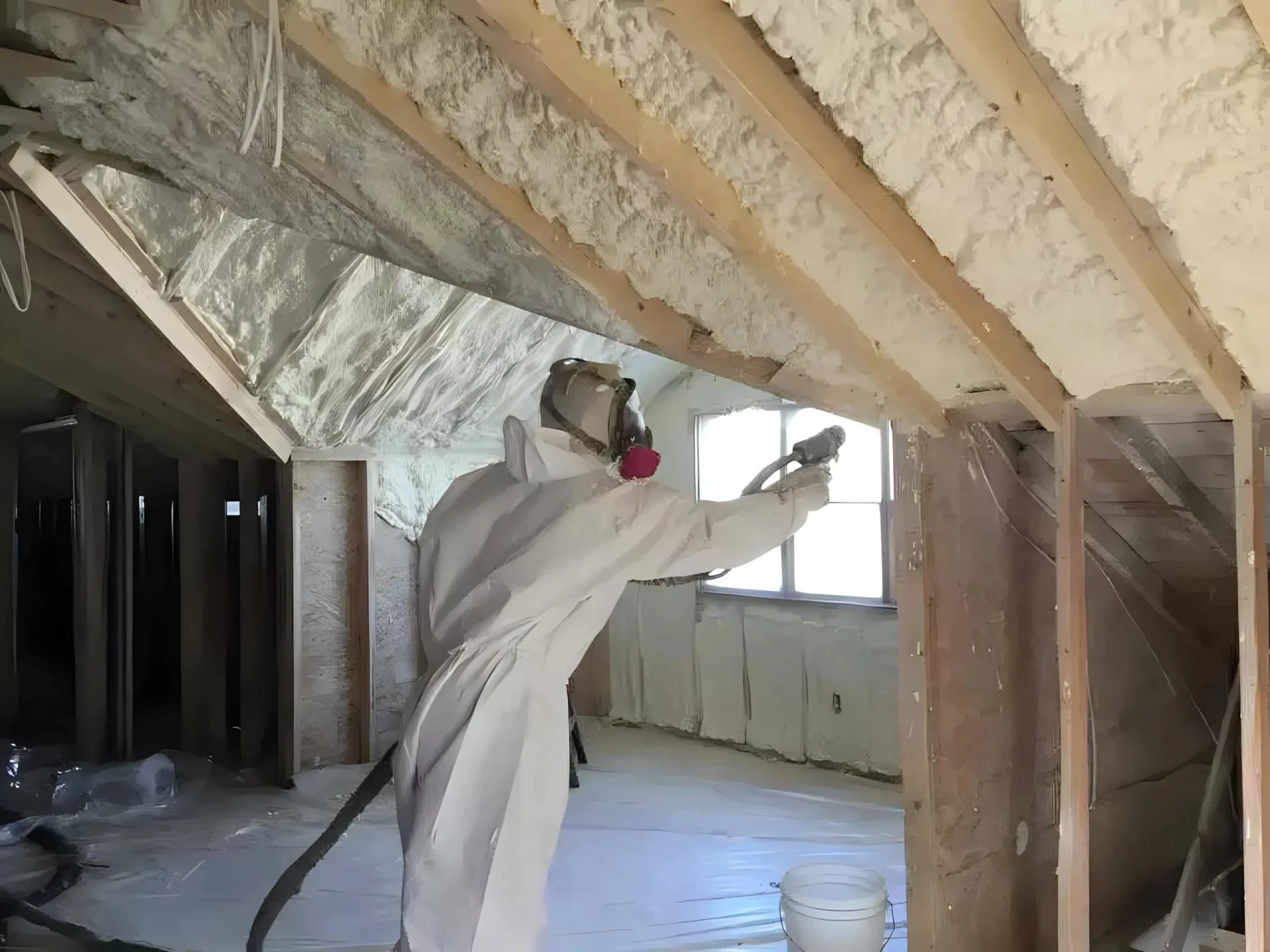
Spray foam is excellent for older homes because it can fill the irregular gaps and cracks that are common in older construction. It can be applied in attics, crawlspaces, and even inside existing walls through small holes using a slow-rise formula.
Will the house become too tight for air flow?
A well-sealed home may need a fresh-air intake or a ventilation system to keep the air fresh. A professional will evaluate the building and recommend if mechanical ventilation is needed to maintain the best balance of efficiency and air quality.
Does the insulation help with outside noise?
Both open and closed-cell foams are great for sound dampening. Open-cell foam is especially effective at absorbing sound waves, making it a popular choice for homes near busy streets or airports where outdoor noise is a concern.
Summary of Home Efficiency Goals
Improving a house's thermal envelope is a practical way to achieve real comfort and long-term financial savings. By focusing on air sealing and high R-values, homeowners can protect their investment and enjoy a more stable indoor environment. It is always best to evaluate the specific needs of the property and consult with a professional who can identify the most effective insulation solutions for the local climate.
Professional Insulation Guidance
When people are ready to upgrade their home comfort, contacting a reliable specialist is the smartest first step. They can assess current insulation levels and recommend the best materials for maximum energy efficiency. Prestige Insulation Solutions offers expert services and high-quality applications for residential and commercial clients. They can be reached at (850) 429-4969 or via email at [email protected] to help homeowners identify the right solutions for their specific needs and goals.
Author: Rene Zamarripa is a spray foam installer and owner with 17 years of hands-on experience in the insulation industry, specializing in identifying the right thermal solutions for various structures.
Reviewer: With over 13 years in spray foam insulation, Benjamin Lee reviewed this content and offered feedback aimed at helping growing businesses connect with local homeowners and commercial clients more effectively.























Sign in to leave a comment.