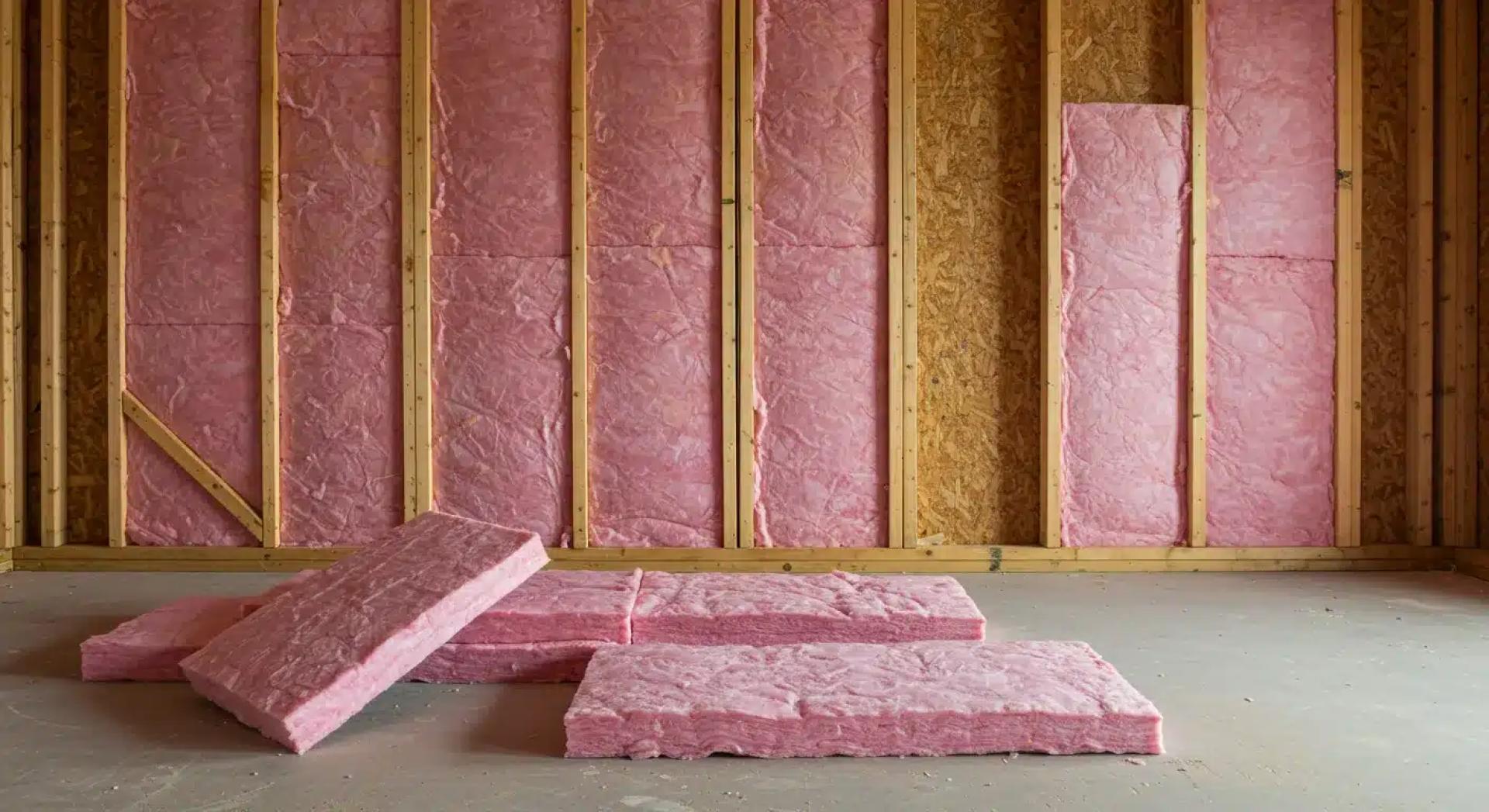

Upgraded fiberglass insulation addresses significant energy waste caused by material compression, settling, and improper coverage that naturally occurs in homes over time. When insulation loses its loft or is installed with gaps, it allows heat to bypass the thermal barrier through a process known as thermal bridging, forcing heating and cooling systems to run longer to maintain comfortable temperatures. Replacing or topping off degraded fiberglass restores the necessary depth and density to trap air effectively, which is the primary mechanism for resisting heat flow.
Industry experts estimate that even a small 5% gap in insulation coverage can lower the effective R-value of a wall or attic by up to 50%. These hidden gaps create pathways for conditioned air to escape, resulting in uneven indoor temperatures and higher utility bills. By detecting and addressing these deficiencies with properly installed, high-quality fiberglass insulation, homeowners can seal these thermal leaks, improve energy efficiency, and reduce the strain on their HVAC systems.
Identifying Silent Energy Thieves
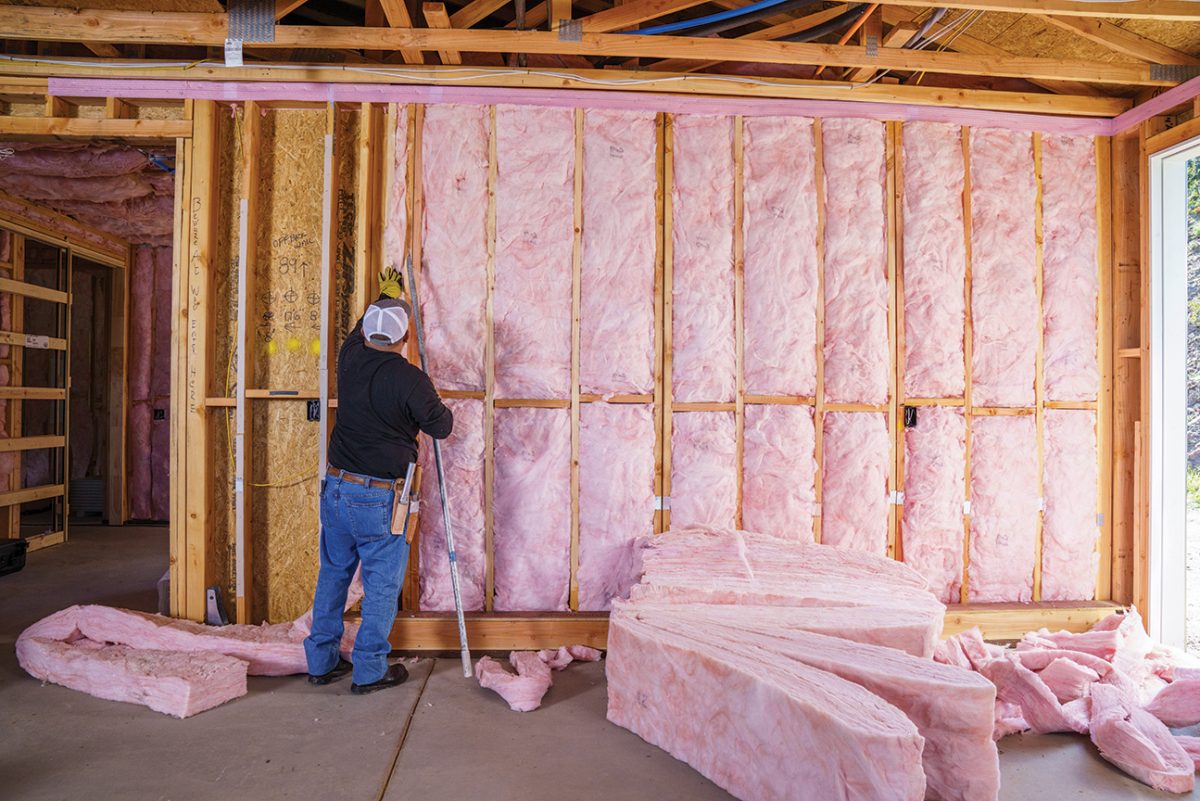
The most common source of energy loss in residential structures comes from small, often overlooked defects in the insulation layer. Over years of service, gravity pulls down on fiberglass batts in walls, and loose-fill material in attics settles, reducing the thickness that provides thermal resistance. These changes create voids at the tops of wall cavities and around structural framing where heat transfers freely between the indoors and outdoors.
Installers frequently find that original insulation jobs left gaps around irregular shapes like electrical boxes, plumbing pipes, and ventilation ducts. These voids act as highways for heat transfer. Upgrading the insulation involves meticulous attention to detail to ensure these "thief" locations are fully covered without compressing the material, which would compromise its performance.
The Impact of Compression and Settling
Fiberglass insulation functions by trapping pockets of air within its glass fibers. When the material is compressed. whether by storage items in an attic or by forcing a thick batt into a narrow wall cavity. these air pockets collapse. This collapse significantly reduces the material's ability to resist heat flow, meaning a product rated R-19 might perform closer to R-13 if squeezed into a space too small for it.
Why R-Value Drops
R-value measures the capacity of an insulating material to resist heat flow. This value is contingent on the thickness and density of the fiberglass remaining consistent. When settling occurs, the R-value drops linearly with the loss of depth, leaving the upper portions of a room or attic vulnerable to extreme temperature fluctuations.
Bonus Tips
- Avoid Overstuffing: Never jam fiberglass behind pipes or wires; cut the batt to fit around them to maintain loft.
- Check for Moisture: Wet fiberglass loses its insulating properties immediately; fix roof leaks before adding new material.
- Maintain Ventilation: Ensure new insulation does not block soffit vents, which are necessary for roof health.
Addressing Air Leakage and Convection
While fiberglass is an excellent thermal insulator, it does not inherently stop air movement. One of the hidden losses in older homes is convective looping, where air circulates within the insulation itself if the material is too low-density. Upgrading to modern, high-density fiberglass or pairing the installation with proper air sealing techniques stops this internal airflow.
The interaction between the insulation and the building envelope is vital. If air leaks through cracks in the ceiling or floor, it carries heat right through standard fiberglass. Professionals address this by sealing gaps with foam or caulk before laying down fresh fiberglass, ensuring the insulation serves as a thermal blanket rather than a filter for leaking air.
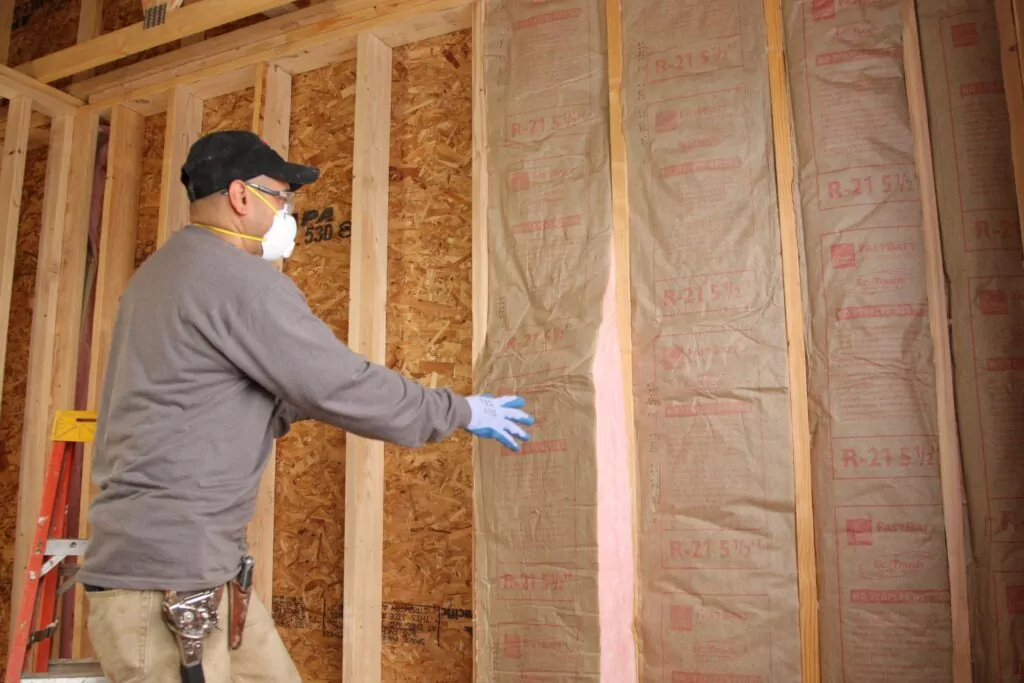
The Stack Effect Connection
The stack effect refers to the movement of air resulting from temperature differences, where warm air rises and escapes through the attic. If the fiberglass layer is thin or uneven, this escaping warm air pulls cold, unconditioned air into the lower levels of the house. Increasing the depth of attic insulation helps dampen this effect by keeping the attic temperature closer to the outdoor temperature, reducing the drive for air movement.
Integrated Air Sealing
Combining air sealing with fiberglass upgrades is the most effective way to stop the stack effect. By closing the penetrations that lead to the attic, the static layer of fiberglass can perform at its rated efficiency without being compromised by moving air.
| Condition | Loft Depth | Effective R-Value (Est.) | Energy Loss Risk |
|---|---|---|---|
| Degraded/Settled | 3-4 Inches | R-9 to R-11 | High (Thermal bridging) |
| Compressed | 2 Inches (matted) | R-6 | Very High (Conductive loss) |
| Standard Grade | 10-12 Inches | R-30 | Moderate (Air leakage possible) |
| Upgraded/Topped Off | 16-20 Inches | R-49 to R-60 | Low (Max thermal resistance) |
Things to Consider Before Making a Decision
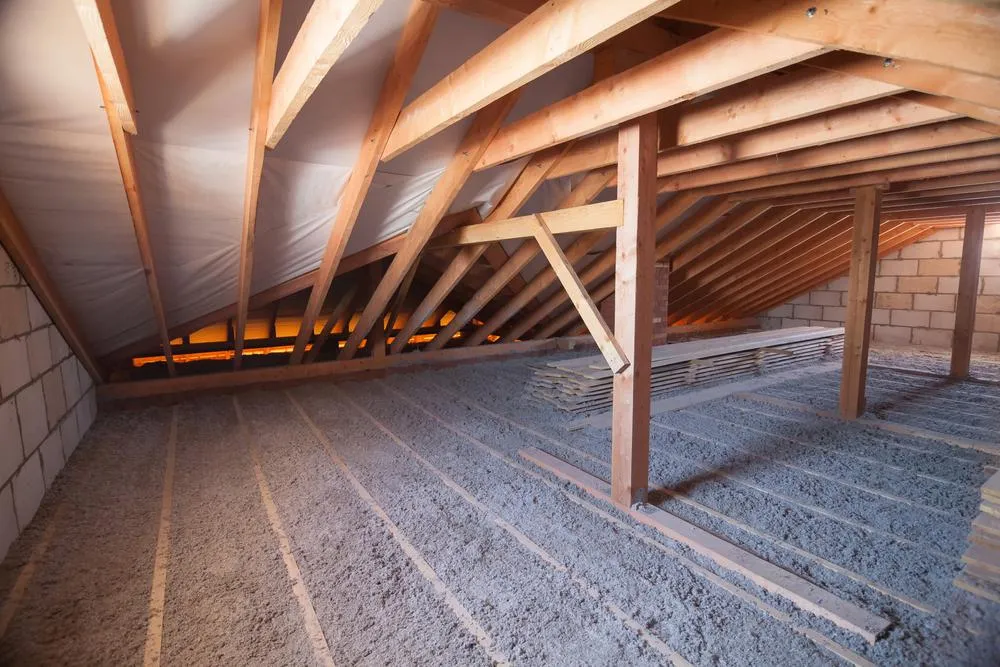
Homeowners should evaluate the current state of their attic and walls before purchasing materials. If the existing insulation is dry and free of pest infestations, it is often possible to blow new loose-fill fiberglass directly over the old layer. However, if the old material has water damage or contains animal waste, complete removal is necessary to ensure indoor air quality.
Market data indicates that upgrading attic insulation offers one of the highest returns on investment of any home improvement project, often recovering over 100% of the cost in added home value and energy savings. In humid climates like Florida, it is also important to verify that the new fiberglass does not have a vapor barrier (kraft paper) if it is being placed over existing insulation, as this can trap moisture between layers.
Questions People Ask About Fiberglass Insulation
Does fiberglass insulation degrade over time?
Fiberglass itself does not rot or decay, but it can settle, creating gaps. It can also become matted down by moisture, dust, or pests, which significantly lowers its effectiveness.
Can I install new insulation over old fiberglass?
Yes, adding new unfaced fiberglass over old layers is a common and effective practice. The primary requirement is that the existing insulation must be dry and not moldy.
Is fiberglass insulation safe to touch?
Fiberglass contains tiny glass shards that cause skin irritation and itching. Installers must always wear protective clothing, gloves, goggles, and a respirator to avoid inhaling fibers or skin contact.
How much insulation do I need in Florida?
For the Florida Panhandle climate, the Department of Energy typically recommends an R-value of R-30 to R-60 for attics. This usually equates to a depth of 10 to 18 inches of loose-fill fiberglass.
Does fiberglass stop mice and insects?
Fiberglass does not stop pests. Rodents can tunnel through it and nest within it. Air sealing the attic before insulating is the best way to prevent pests from entering the insulation.
Conclusion
Upgrading fiberglass insulation eliminates hidden energy losses by restoring the thermal barrier that protects a home from outdoor temperature extremes. Correcting issues related to compression, settling, and coverage gaps ensures that the heating and cooling system operates efficiently. Property owners who address these silent energy thieves enjoy a more comfortable living environment and lower monthly expenses.
Connecting With Insulation Professionals
Proper installation is the key to maximizing the performance of fiberglass insulation. Prestige Insulation Solutions serves the Florida Panhandle with expert assessments and installation services designed to uncover and fix hidden energy losses. Their team understands the specific challenges of the local climate and ensures every project meets rigorous industry standards.
Residents looking to improve their home efficiency can rely on their experience for honest advice and quality work. To schedule an inspection or discuss insulation options, contact them at (850) 429-4969 or send an email to [email protected].
Author: Rene Zamarripa, spray foam installer and owner, began in the insulation industry in 2008 with Key Insulation in San Antonio. After 17 years of hands-on experience, now owns a successful insulation company with aspirations to franchise. Knowledgeable in R-values, insulation processes, and various components used in both residential and commercial applications. Experienced in identifying the right insulation solutions for different structures, including spray foam, fiberglass, and cellulose.
Reviewer: With over 13 years in spray foam insulation, Benjamin Lee reviewed this content and offered feedback aimed at helping growing businesses connect with local homeowners and commercial clients more effectively.






















Sign in to leave a comment.