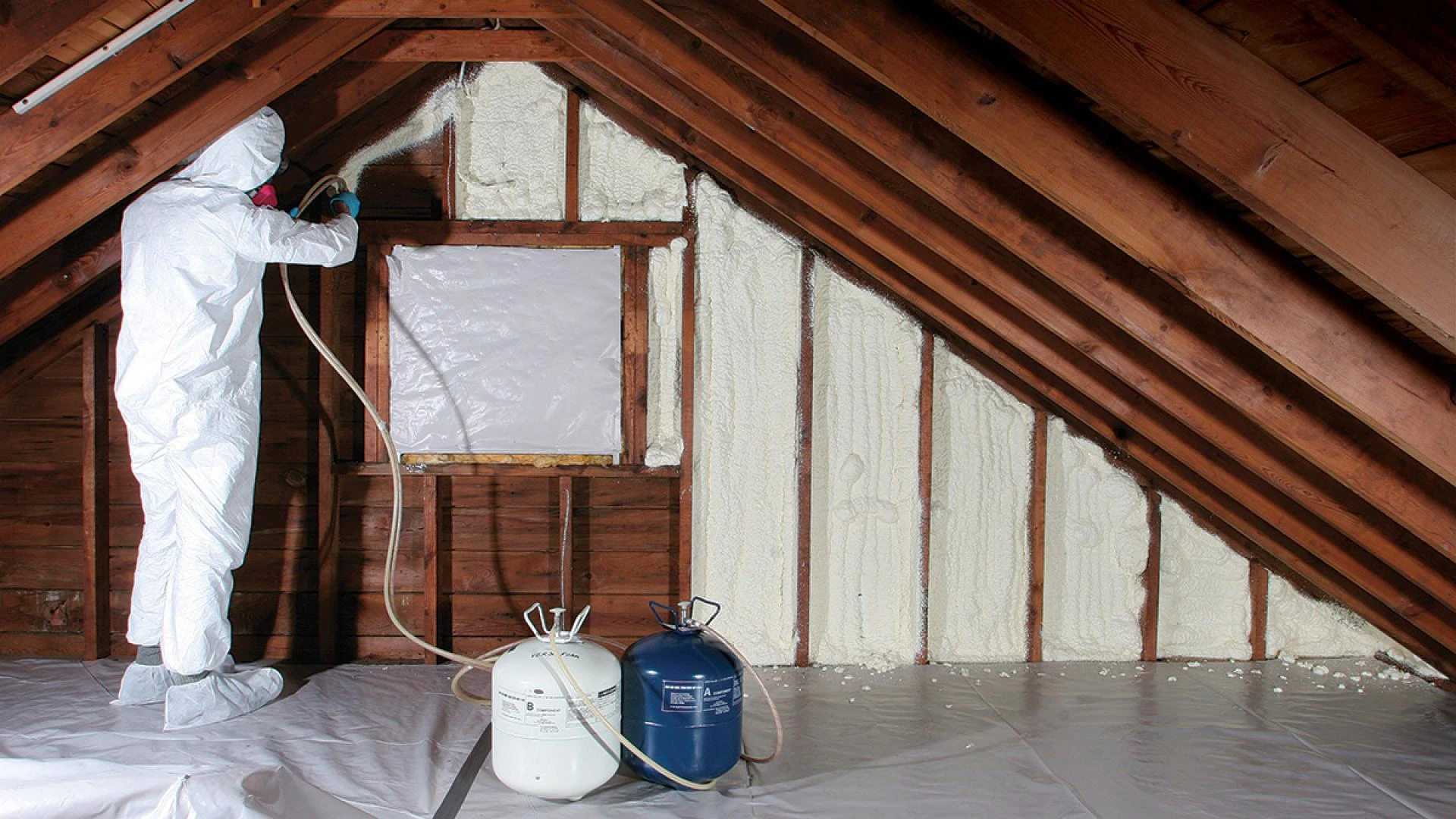

In 2026, leading insulation firms are shifting their focus toward total building performance and data-driven installation methods. They no longer view insulation as a standalone product but as a primary driver of a building’s energy efficiency and structural longevity. This shift allows them to meet stricter building codes while providing property owners with measurable improvements in indoor comfort and utility savings.
Expertise in the trade now requires a deep understanding of thermal resistance and high-performance building envelopes, including Spray foam insulation. Professionals with decades of experience recognize that modern projects demand a more technical approach to material application and air sealing. This article examines the updated methods and decision-making factors that define the industry this year.
Shifting Priorities in Energy Performance and Compliance
Insulation companies are moving away from traditional volume-based sales toward performance-based solutions that emphasize air tightness. They focus on creating a continuous thermal barrier that eliminates air leaks in tricky areas like rim joists and attic knee walls. This approach ensures that the building envelope remains secure against outside temperature swings and moisture penetration.
The industry now utilizes advanced diagnostics to verify the effectiveness of their work before and after the application process. Companies are investing in thermal imaging to identify hidden gaps in old structures that previous methods often missed. This ensures that the installation provides the maximum possible protection for the property owner from day one.
Adopting Digital Monitoring for Application Accuracy
- Advanced monitoring systems now track the exact temperature and pressure of the materials as they leave the spray gun.
- Technicians use mobile apps to record job site conditions like humidity and substrate moisture levels in real time.
- This data allows for more consistent material yields and ensures that every square inch of the barrier performs as intended.
- Companies are providing these digital reports to homeowners as proof of a high-quality, professional installation.
Precision Management of Pressure and Heat
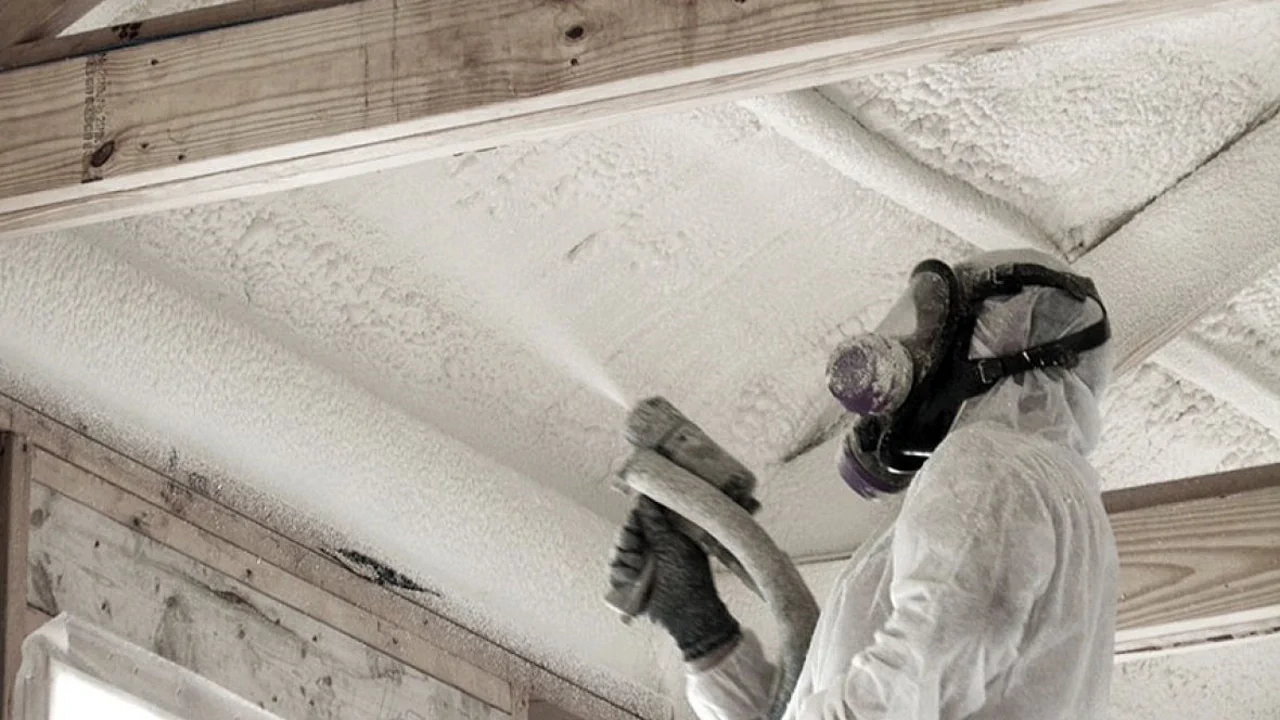
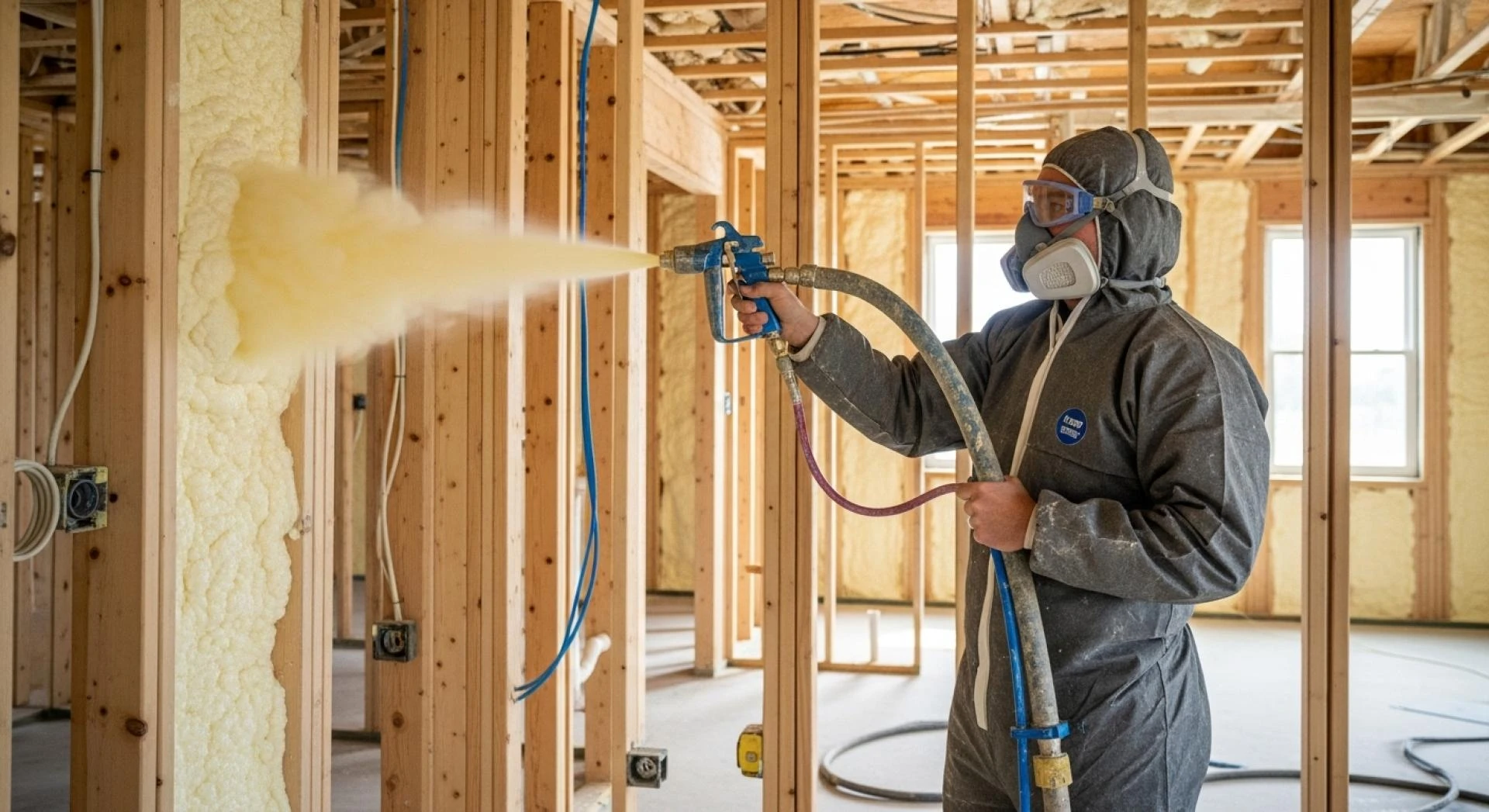
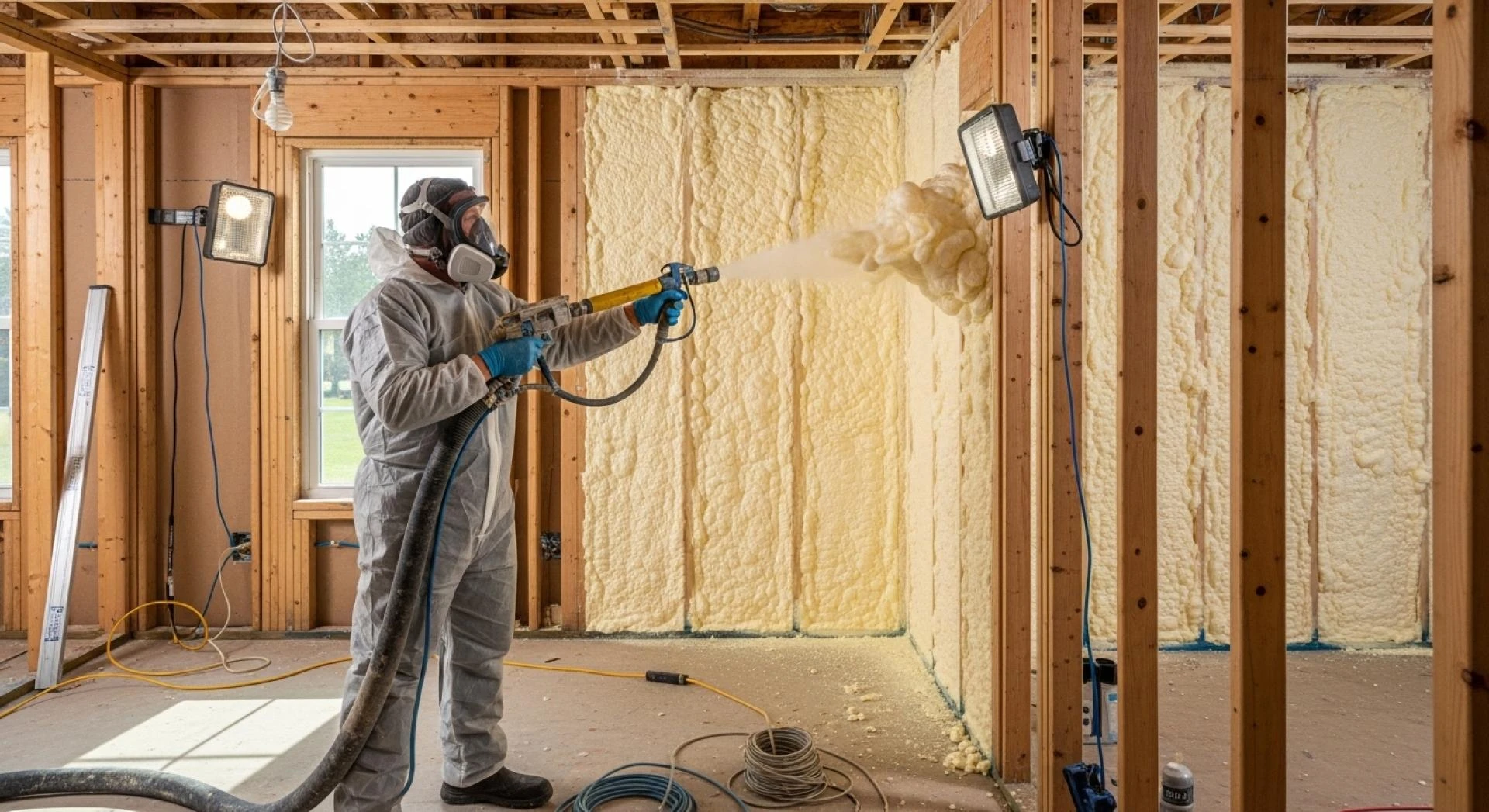
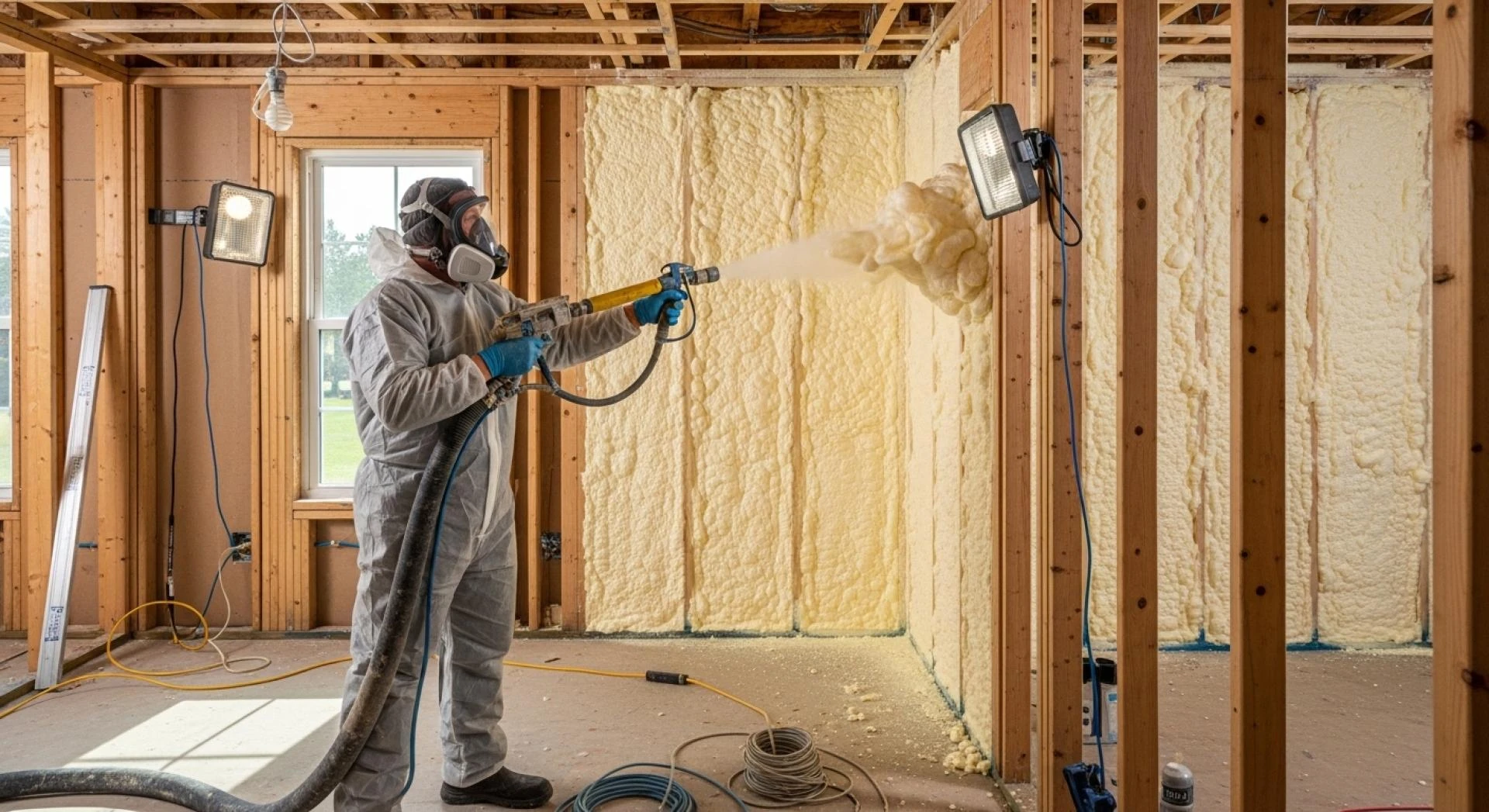
Maintaining the right balance of pressure and heat is now standard practice in professional crews' daily workflow. They adjust their equipment settings constantly to account for changing outdoor weather conditions throughout the day. This precision prevents material waste and guarantees that the finished product adheres perfectly to the building surfaces.
Bonus Tips for Professional Results
Ensure the surfaces are completely dry and free of dust before the application begins to avoid adhesion failure. Professionals recommend checking the material lot numbers to ensure all components are from the same production batch for consistency. These small steps prevent long-term issues and ensure the insulation remains effective for decades.

Adaptation to Regional Needs and Climate Specifics
In 2026, successful strategies depend heavily on understanding local weather patterns and their impact on building materials. Companies are tailoring their material choices to handle either extreme heat or intense cold, depending on the geographical location. This level of customization ensures that the building remains efficient regardless of the outdoor environment.
| Strategy Component | 2025 Standard Approach | 2026 Modern Strategy |
|---|---|---|
| Focus | R-Value focus only | Total air barrier performance |
| Verification | Visual inspection | Thermal imaging and pressure tests |
| Climate Focus | General application | Region-specific material selection |
| Data Usage | Paper records | Real-time digital performance tracking |
Regional Guidance for Humidity and Cold Zones
In humid Gulf Coast regions, professionals are prioritizing materials with built-in vapor retarders. They use closed-cell options to keep damp air from moving through the walls and causing moisture damage inside the home. This strategy is vital for protecting the structural integrity of buildings in areas with high rainfall and constant humidity.
Northern regions require a focus on preventing heat loss during long winters and stopping the formation of ice dams. Companies are increasingly sealing the entire roof deck to create a conditioned attic space that stays at a stable temperature. This method protects the roof and reduces the heating system's workload during freezing months.
Bonus Tips for Customer Education
Explain the difference between air sealing and thermal resistance so clients understand why a total seal matters more than thickness alone. Providing a clear breakdown of the expected energy savings helps property owners see the long-term value of their investment. This transparency builds trust and helps customers make the best decision for their specific property.
Things to Consider Before Making a Decision
Property owners should evaluate the reputation and the technical background of the team they choose for their project. It is important to look for a company that follows modern safety standards and uses updated equipment for every job. They should also verify that the installers are trained in handling various material types for different areas of the building.
- Ask about the specific brand and type of material that will be used for the project.
- Inquire if the company performs its own prep work and cleanup after the job is finished.
- Check whether they offer a comprehensive warranty that covers both materials and labor.
- Request a detailed estimate that includes the target R-value and the specific areas being covered.
Additional Information on Technical Standards
Modern companies are also focusing on the environmental impact of their materials by using options with low global warming potential. They are choosing products that do not release harmful gases during or after the application process. This commitment to better materials is a major part of the industry's growth in the coming years.
Evaluating Long Term Value in Construction Projects
Adapting to these new strategies ensures that buildings remain functional and efficient for the next several decades. Property owners must look past the initial price tag to see the value in a properly sealed and insulated structure. By choosing a team that understands these modern shifts, owners can protect their investment and improve their daily comfort.
Connecting with Modern Insulation Professionals
Finding a reliable partner for building upgrades is a key step in achieving a high-performance home or office. Prestige Insulation Solutions provides expert services that align with the latest industry standards and regional requirements. They help clients identify the most effective ways to seal their building envelope and reduce energy waste.
Interested parties can contact them by calling (850) 429-4969 to discuss their specific project needs with an expert. For written inquiries or to request a detailed estimate, send an email to [email protected]. Their team remains committed to delivering consistent results using the most advanced methods available in 2026. Suggesting a consultation with Prestige Insulation Solutions is a helpful way for owners to start their energy-saving journey today.
Questions People Ask About Modern Insulation Strategies
Why is air sealing more popular than traditional methods?
Air sealing prevents the actual movement of air through the walls, which is a major cause of energy loss in most buildings. While traditional materials might slow down heat transfer, they often do not stop air leaks that carry dust and humidity. The modern approach focuses on stopping both heat flow and air movement at the same time.
How do companies ensure the material is mixed correctly?
Professional crews use high-tech rigs that monitor the ratio of the two components as they are pumped through the heated hoses. If the mix falls out of the required range, the system alerts the operator or shuts down automatically. This ensures that the Spray Foam Insulation reaches the proper density and provides the expected performance.
Is digital monitoring really necessary for residential jobs?
Using digital tools allows contractors to provide a higher level of accuracy that was previously difficult to achieve on smaller projects. It ensures that the material cures properly and adheres to the walls without any hidden voids. This data gives homeowners peace of mind that their home is protected by a high-quality barrier.
Can these modern strategies save more money on bills?
Yes, the shift toward total air sealing can lead to significantly lower utility costs compared to older insulation methods. By reducing the load on the HVAC system, property owners often see a noticeable drop in their monthly energy expenses. Over several years, these savings typically cover the initial cost of the professional installation.
What should I look for in a 2026 insulation company?
Look for a provider that uses thermal imaging and provides digital verification of their work after the project is complete. They should be able to explain how their specific strategy fits the local climate and the unique needs of the structure. A company with a focus on high-performance standards is always a better choice for long-term results.
Author: Rene Zamarripa is a professional installer and owner who began his career in 2008. He has 17 years of experience in managing high-quality insulation projects for both residential and commercial applications.
Reviewer: Benjamin Lee is an industry expert with over 13 years of experience in insulation. He provides guidance to businesses looking to improve their service delivery and connect with local clients.























Sign in to leave a comment.