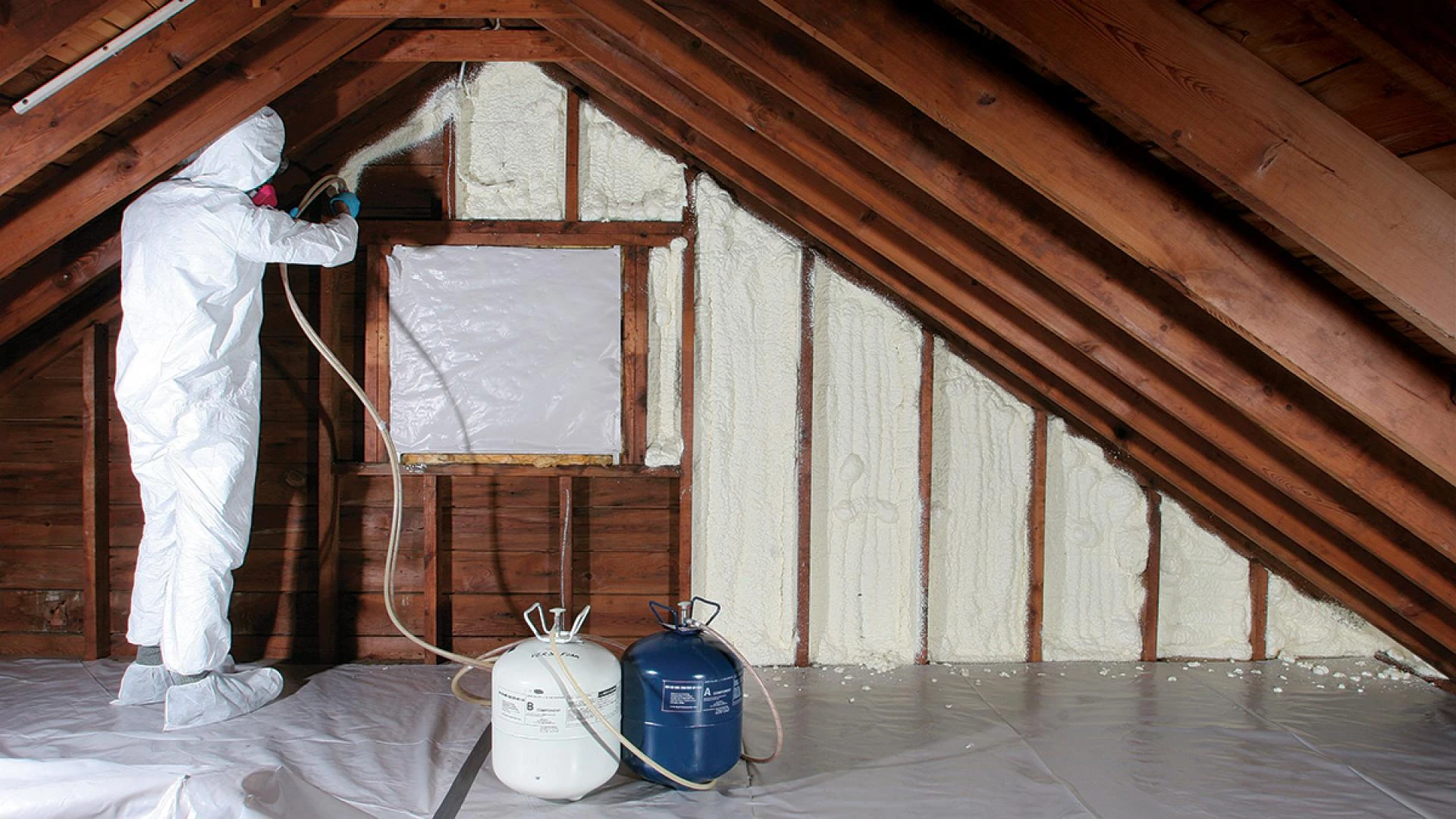

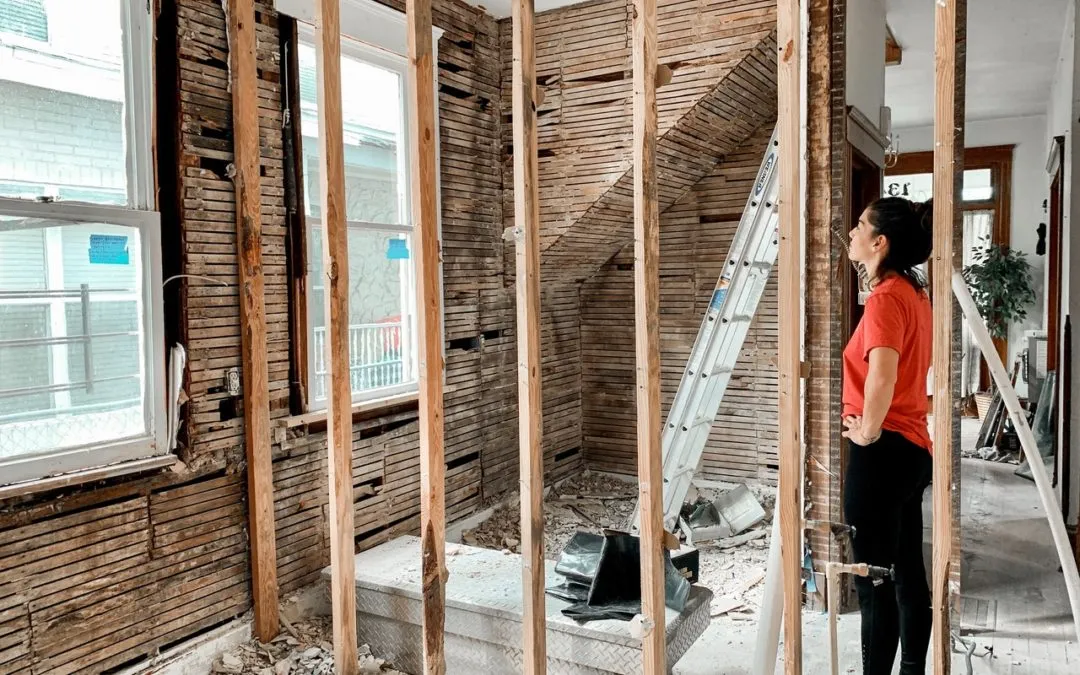
Property owners of older residences should expect a process that prioritizes structural safety and deep cleaning before any material is applied. Professionals begin by identifying hidden hazards like outdated electrical systems or wood rot that are common in houses built decades ago. The goal is to create a modern thermal barrier while preserving the integrity of the original building materials.
Expert installers spend significant time preparing the site to ensure the new seal does not trap moisture against aged timber. They focus on identifying air bypasses where heat escapes through bypasses in the attic or crawlspace. This careful approach ensures the home becomes energy efficient without causing long term damage to the historical frame.
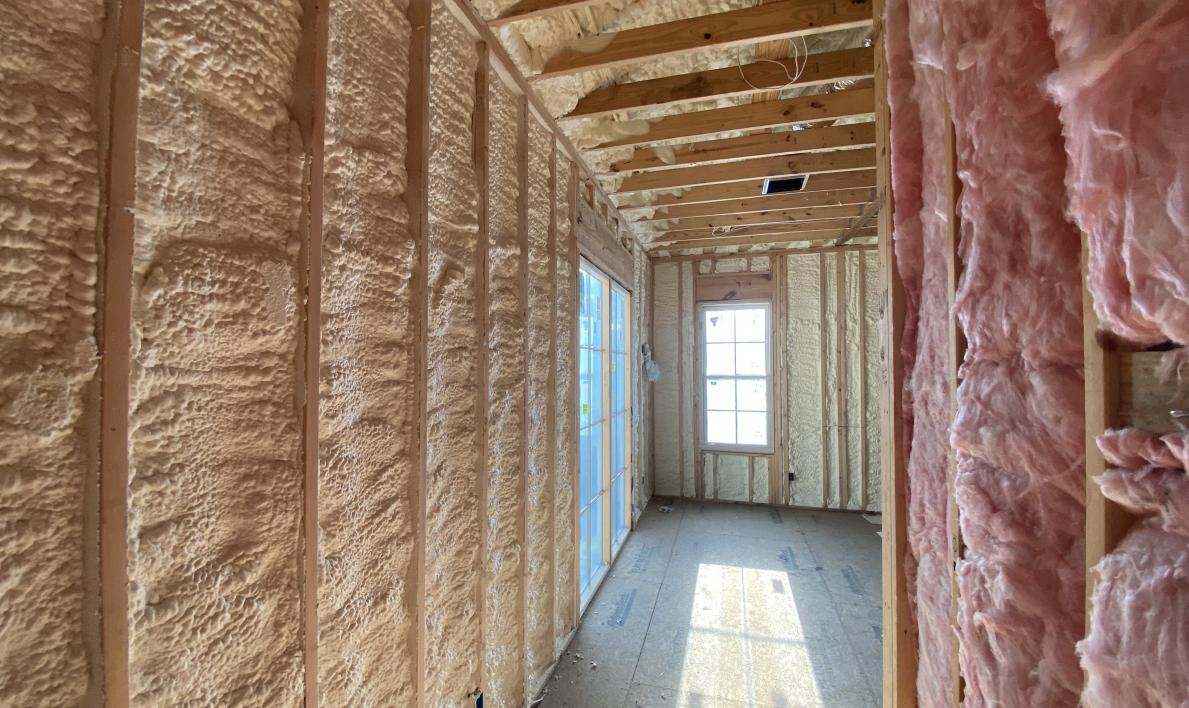
Many owners of historic properties find that using Spray Foam Insulation addresses drafts that traditional fiberglass simply cannot reach in irregular wall cavities. This material expands to fill every crack and void found in older construction methods. It provides a level of airtightness that helps maintain a steady indoor temperature throughout the changing seasons.
Initial Inspection and Safety Assessment
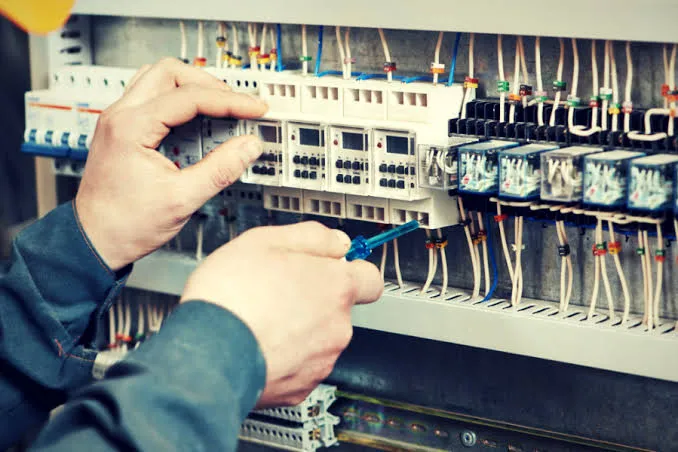
The first step involves a detailed walkthrough to find knob and tube wiring which can be a fire hazard if covered. Installers must ensure all electrical components are safe and modern before they proceed with the sealing process. They also look for signs of past water leaks that might have weakened the roof deck or floor joists.
Professional teams evaluate the existing ventilation to make sure the house can still breathe after becoming airtight. Older homes often rely on natural drafts to move air, so experts might suggest adding mechanical vents. This step prevents stale air or moisture from building up inside the living areas after the job is done.
- Technicians look for brittle wood or structural sagging that needs repair first.
- They identify any asbestos or lead paint that requires special handling by experts.
- The team checks the attic floor for large gaps around old chimney flues and pipes.
- Installers measure the depth of the wall studs to determine the best material thickness.
Material Removal and Surface Preparation
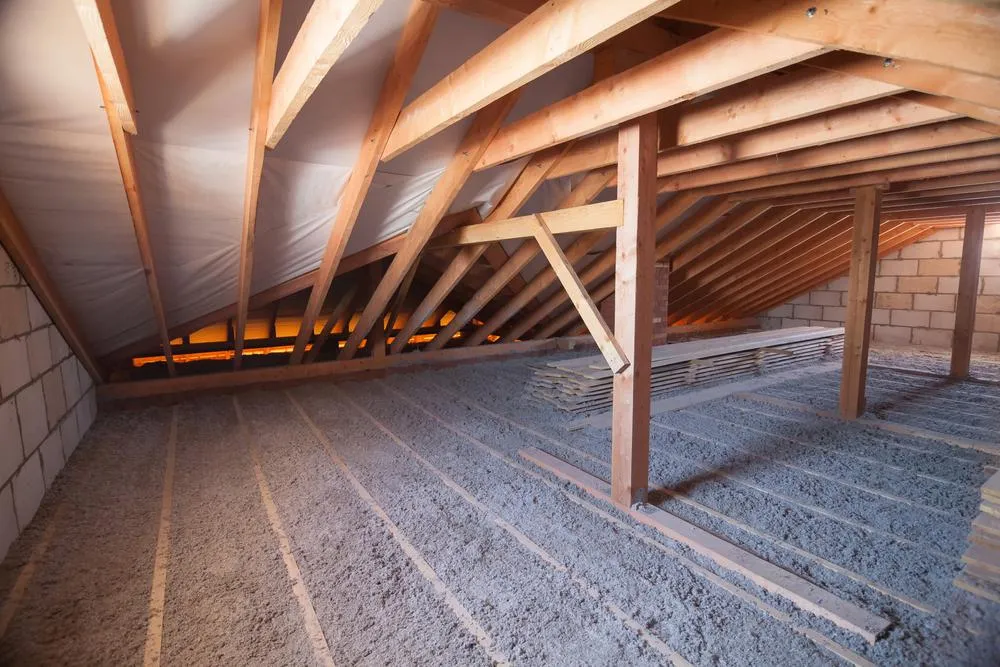
Older homes often have layers of failing insulation like dusty cellulose or matted fiberglass that must be removed. Professionals use high powered vacuums to clear out these old materials and any debris left by pests. This creates a clean surface for the new product to bond with the wood or masonry.
Cleaning the area also allows the team to see the exact condition of the building envelope. They can then seal small holes with specialized caulk or tape before the main application begins. This preparation is what makes the final result effective for the long term.
Managing Attic and Crawlspace Access
Getting equipment into the tight corners of an old house requires skill and patience. Installers often work in cramped attics with low roof lines or narrow crawlspaces with dirt floors. They use protective cloths and plastic sheeting to keep the rest of the home clean during the work.
Bonus Tips for Older Properties
Always ask the installer to leave a small gap around any remaining old style light fixtures to prevent heat buildup. This simple step keeps the lighting safe while still providing excellent thermal protection for the rest of the ceiling.
Consider treating the rim joists in the basement as a priority. These areas are major sources of cold air entry in aged houses and sealing them provides immediate comfort improvements on the first floor.
Application Process for Historic Structures
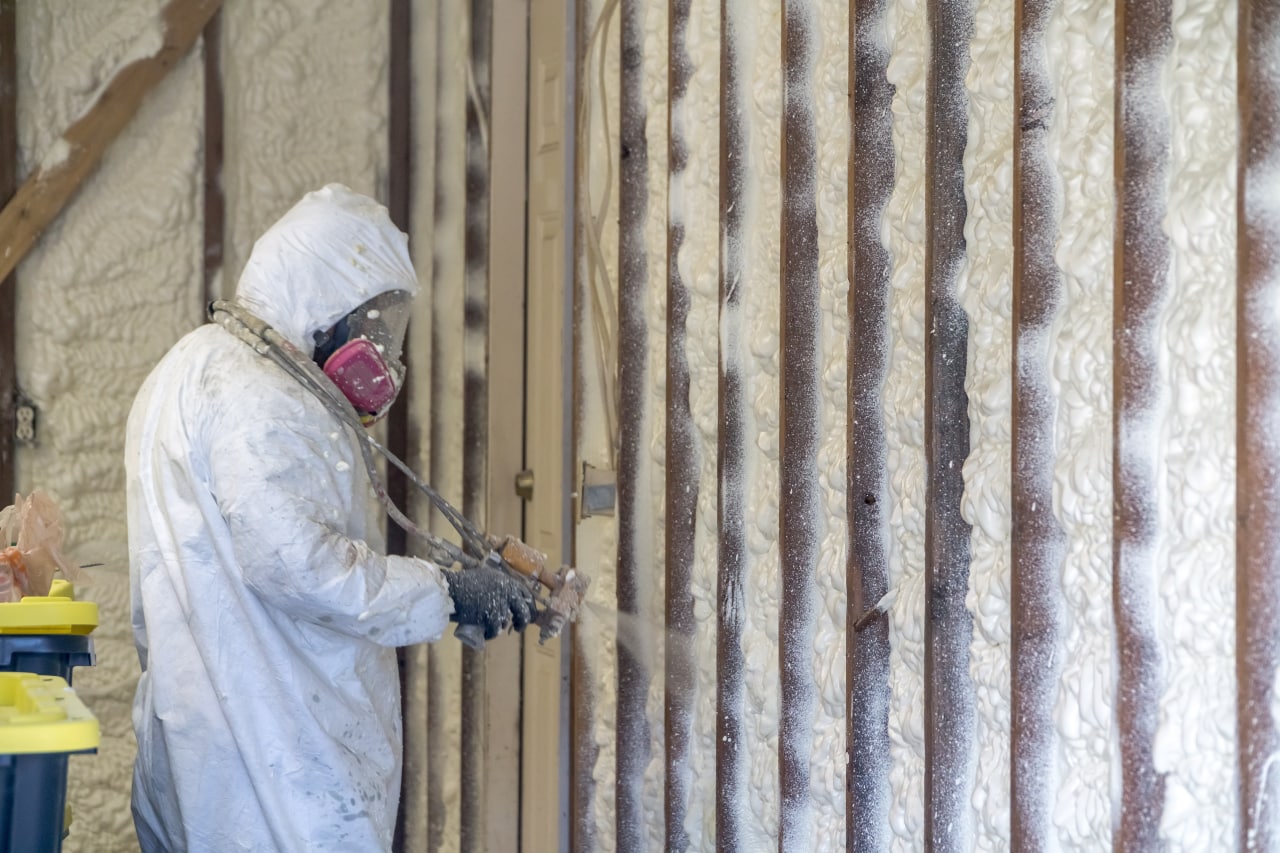
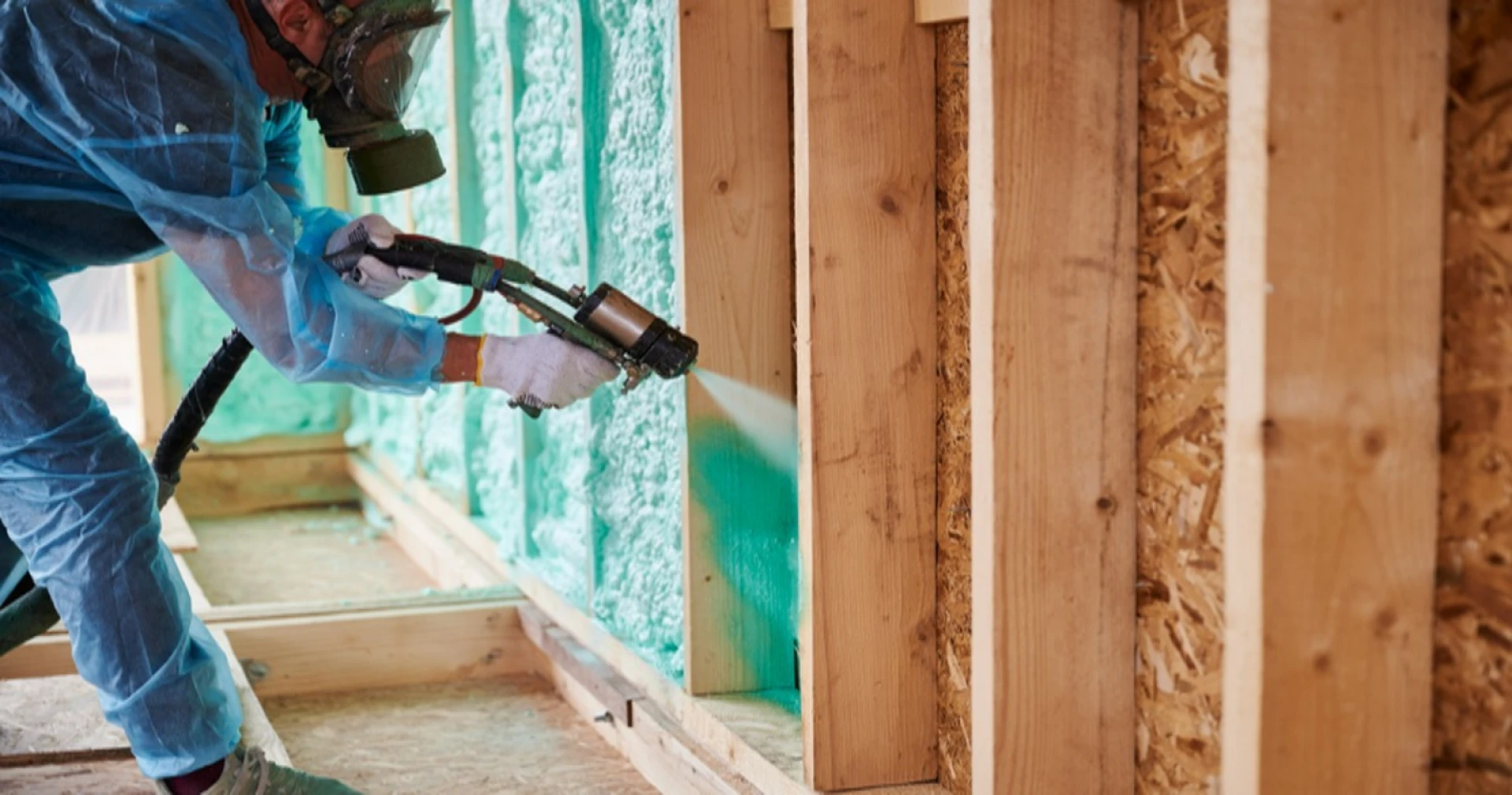
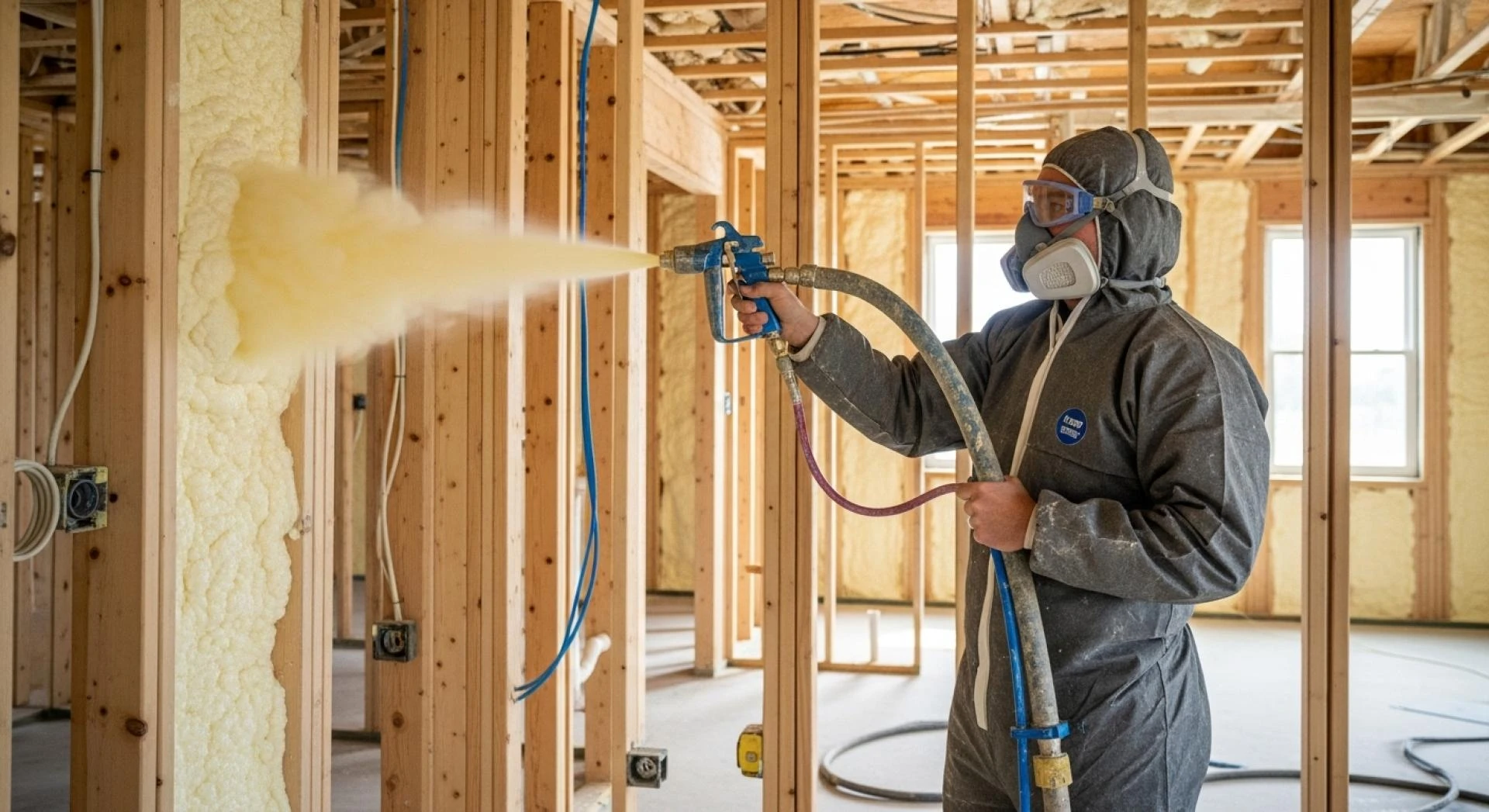
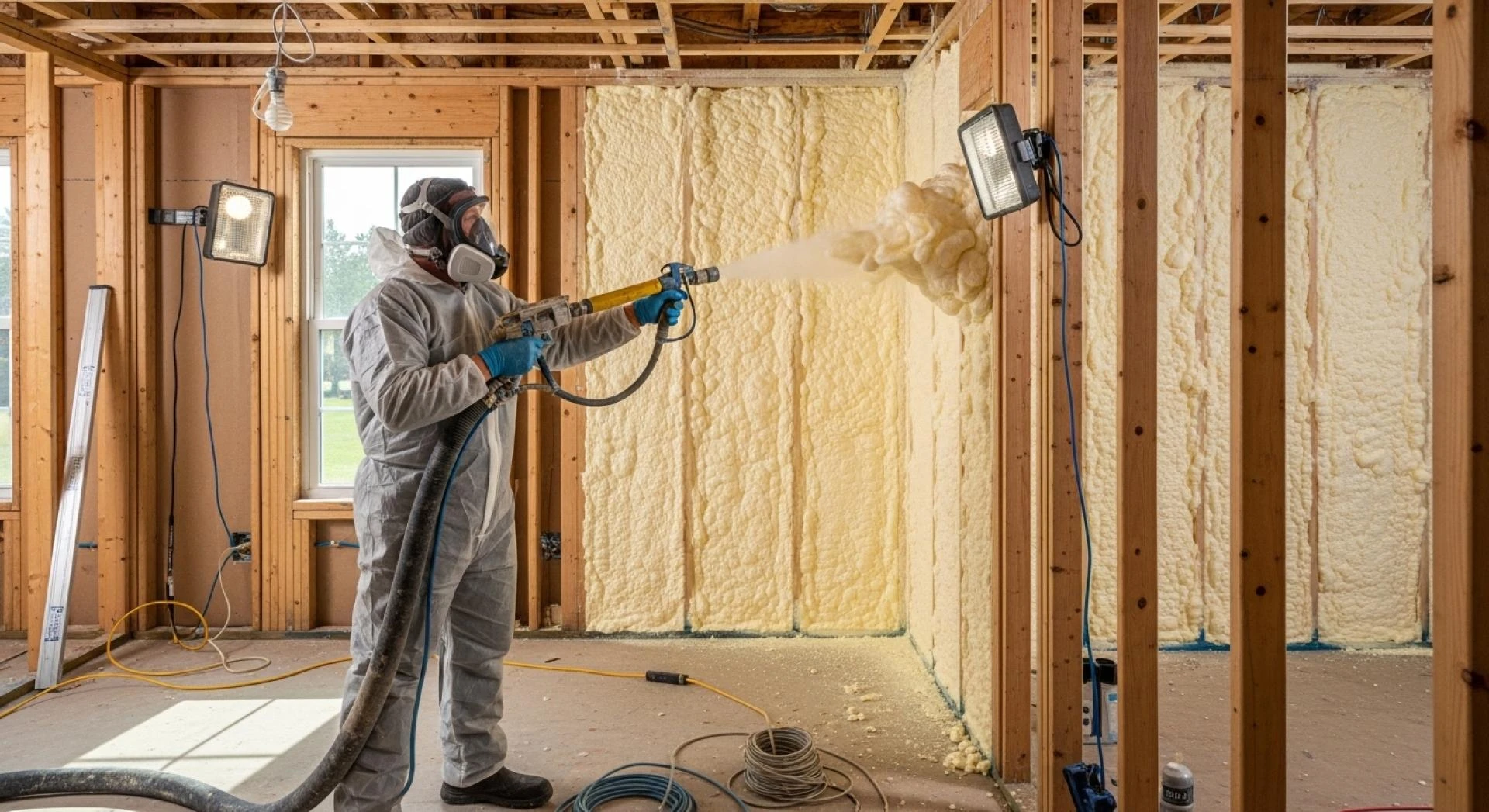
Once the prep work is finished, the team uses specialized rigs to apply the material. They monitor the temperature and pressure constantly to ensure the mixture expands correctly within the walls. This process is faster than traditional methods but requires much more technical skill to master.
Choosing Between Open and Closed Cell
The choice of material depends on the specific needs of the old structure and the local weather. Open cell is often used in attics for its flexibility and sound dampening qualities. Closed cell is better for damp basements because it acts as a barrier against water and adds strength to the frame.
| Factor | Open Cell Option | Closed Cell Option |
|---|---|---|
| Best Use Case | Attics and interior walls | Basements and crawlspaces |
| Expansion Rate | High expansion for big gaps | Low expansion for high density |
| Moisture Guard | Allows wood to dry out | Blocks water completely |
| Structural Value | Provides minimal support | Adds significant rigidity |
Climate Considerations for Older Houses
In regions with high humidity, older homes without modern vapor barriers are at risk for mold. Professionals in these areas often recommend specific application depths to manage how moisture moves through the walls. This regional knowledge prevents the common mistakes made by less experienced contractors.
Things to Consider Before Making a Decision
Property owners should think about their long term goals for the building before starting. If the home has original architectural details, the installation plan must protect those features. It is also important to consider if future electrical or plumbing work will be needed soon.
- Verify that the company has experience working on homes from your specific era.
- Check if the local building department requires a special permit for retrofitting.
- Ask how the team handles cleanup and if there is a waiting period before moving back in.
- Compare the cost of the project against the expected savings on monthly utility bills.
Additional Information on Building Codes
Local codes for older homes can be different than those for new construction projects. Always ensure the team follows the latest safety standards for fire barriers to keep the property compliant with insurance requirements.
Guidance for Evaluating Your Specific Needs
Improving an old home requires a balance of modern technology and respect for the past. Owners should look for a plan that addresses their specific drafts and cold spots. Every aged house has its own personality and requires a custom approach to reach peak performance.
The best results come from a partnership between the owner and a knowledgeable service provider. Taking the time to prep the structure correctly ensures the comfort lasts for decades. Evaluate the current state of the building and set clear goals for energy use and comfort before beginning.
Expert Insulation Services
Property owners can find reliable support for their projects by contacting Prestige Insulation Solutions. Their team understands the unique needs of older structures and provides tailored plans for every client. For a detailed assessment or to discuss your specific needs, call (850) 429-4969 or send an email to [email protected]. They focus on providing high quality service that makes homes more comfortable and energy efficient through professional application and careful planning.
Questions People Ask About Older Home Insulation
Will the insulation damage the original wood siding?
Properly applied material should not damage the siding if the installers manage moisture correctly. They leave paths for liquid to escape or use breathable products where necessary. This protects the exterior look of the house while improving the interior feel.
How do they get the material into closed walls?
For finished walls, technicians drill small holes into the stud cavities and inject the product slowly. They use sensors to track the fill level and prevent over expansion that could crack the plaster. After the work, the holes are patched and ready for paint.
Does the material smell after it is installed?
There is a brief period during the curing process where a scent may be present. Professional teams use high volume fans to clear the air quickly. Usually, residents can return to the home within twenty four hours without noticing any lingering odor.
Can this help with pest problems in old basements?
Yes, by sealing the gaps where mice and insects enter, the home becomes much less attractive to pests. The dense material is not a food source and it blocks the heat signals that draw animals inside. This leads to a cleaner and more sanitary living environment.
Is the investment worth it for a house I might sell?
Energy efficient upgrades are very attractive to modern buyers who worry about high utility costs in old homes. A well insulated property often sees a higher resale value and spends less time on the market. It shows that the owner has taken care of the building.
Author: Rene Zamarripa is a spray foam installer and owner with 17 years of experience in the insulation industry, specializing in technical solutions for residential and commercial structures.
Reviewer: Benjamin Lee has over 13 years of experience in the insulation trade and provides guidance to help businesses and homeowners connect through effective service.





















Sign in to leave a comment.