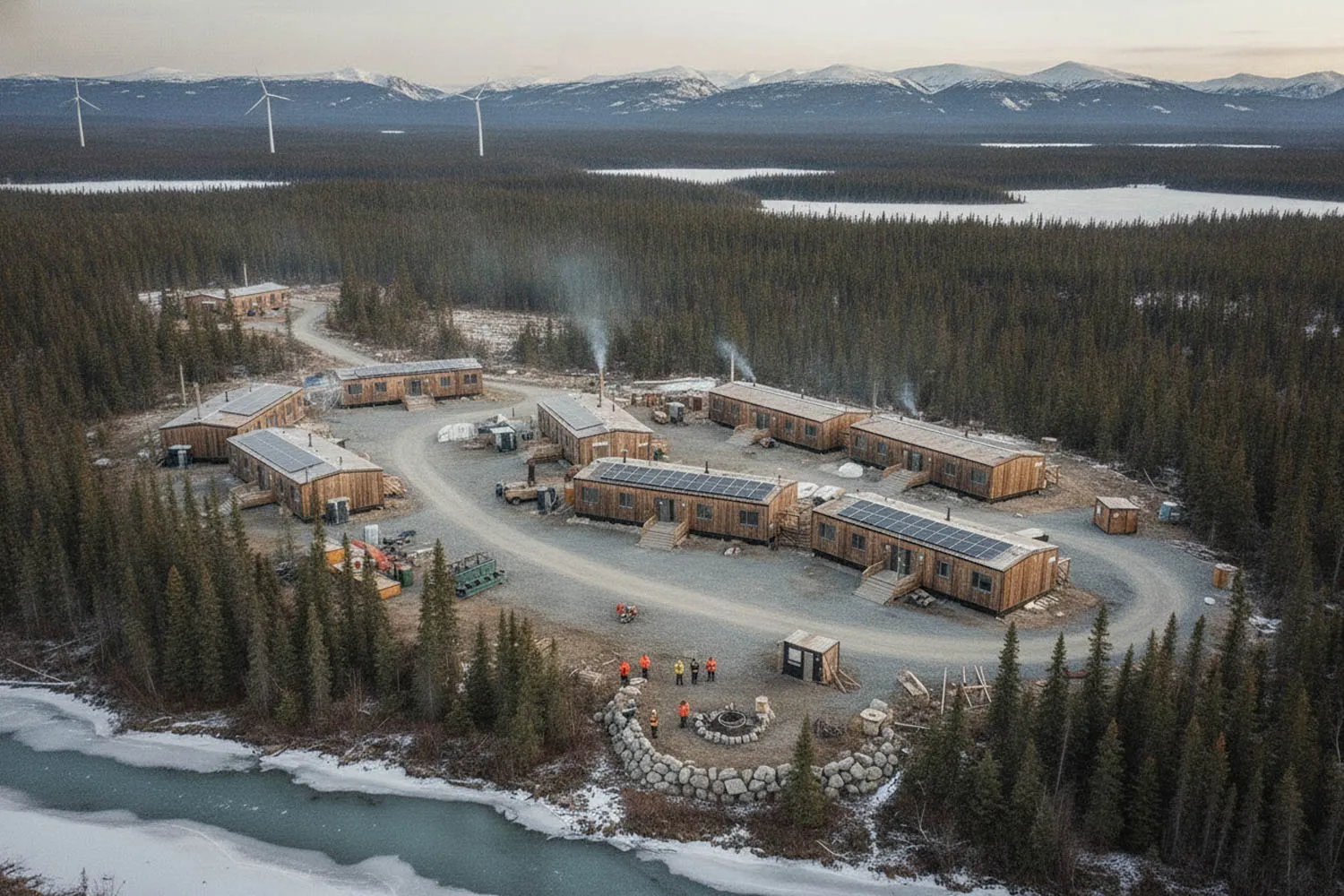

Remote camp services have changed a lot over the past decade, and the shift is being driven by two forces working side by side: smarter technology and a stronger commitment to sustainability. Companies operating in mining, forestry, energy, and construction depend on these services to keep workers fed, housed, and safe in places that are often hundreds of kilometers from the nearest town. As those operations grow more complex, the tools and practices behind camp management have had to grow with them.

This article looks at how technology and environmental responsibility are reshaping the way isolated worksites are run, and why both matter more than ever for companies planning long-term projects in remote parts of Canada.
Why Remote Camp Services Need a Different Approach
Running a camp in a remote location is not the same as running a facility in a city. There is no easy access to backup suppliers, no quick call to a local repair technician, and often no cell coverage without dedicated infrastructure. Every system, from food supply to waste disposal, has to be planned with self-sufficiency in mind.
This is exactly why operators lean so heavily on experienced providers. A well-run camp needs coordinated logistics, reliable housekeeping, consistent food service, and facility upkeep that can withstand harsh weather and heavy use. When any one of these pieces falls short, it affects morale, productivity, and safety for everyone on site.
Technology Is Making Operations More Efficient

Automation and connectivity have quietly transformed how isolated sites are managed. Instead of relying on paper logs and manual checks, many operations now use digital systems to track inventory, schedule maintenance, and monitor equipment in real time. This reduces waste, catches small problems before they become expensive ones, and frees up staff to focus on the people living and working on site rather than paperwork.
Satellite communication and improved wireless networks have also closed a long-standing gap. Camps that once had limited contact with head office can now share data instantly, coordinate deliveries more accurately, and respond to issues as they happen instead of days later. For a closer look at how these advancements are playing out in practice, this breakdown of technology advancements for efficient remote site services management walks through the specific tools making the biggest difference.
Sustainability Has Become Part of the Standard
Alongside better technology, sustainable practices have moved from a nice-to-have to an expectation. Remote camps often sit in ecologically sensitive areas, and the way they handle energy, water, and waste has a direct impact on the surrounding land and nearby communities.
Renewable energy sources, such as solar panels paired with battery storage, are increasingly used to cut down on diesel consumption. Waste management programs that emphasize recycling, composting, and responsible disposal are also becoming standard practice rather than an afterthought. These changes lower operating costs over time and help preserve the environments that host these projects for decades to come. A more detailed discussion of these ideas can be found in this overview of sustainable solutions for remote sites, which explains how greener systems benefit both operations and local ecosystems.
It is worth noting that this shift is not limited to private industry. Government-backed initiatives, including funding programs run through Natural Resources Canada's Clean Energy for Rural and Remote Communities program, are actively supporting the transition away from diesel-dependent power in isolated parts of the country. That kind of public investment reflects just how important this shift has become for communities and industries alike.
How Technology and Sustainability Work Together
These two trends are not separate stories. In practice, they reinforce each other. Smart monitoring systems make it possible to track energy use in real time, which in turn makes renewable energy investments easier to justify and manage. Automated inventory tracking cuts down on overordering and spoilage, which reduces waste before it is even created.
Camps that combine both approaches tend to run more predictably. Fewer surprises with equipment, more accurate forecasting of supplies, and lower environmental impact all add up to a site that is easier to manage and less costly to operate over the life of a project. This is really what modern remote camp services are meant to deliver: fewer disruptions and a lighter footprint, without sacrificing comfort or reliability for the people on site.
What This Means for Companies Choosing a Provider
For companies evaluating options, the takeaway is fairly simple: not every provider has kept pace with these changes. Some still rely on outdated systems and older energy practices that cost more in the long run, both financially and environmentally. Choosing a provider that has invested in modern tools and greener operations can make a measurable difference in how smoothly a project runs.
Domco Group of Canada Ltd. is one example of a Canadian company that has built its services around this kind of integrated approach, combining logistics, facility management, and food service under one roof for remote industrial sites across the country.
Looking Ahead
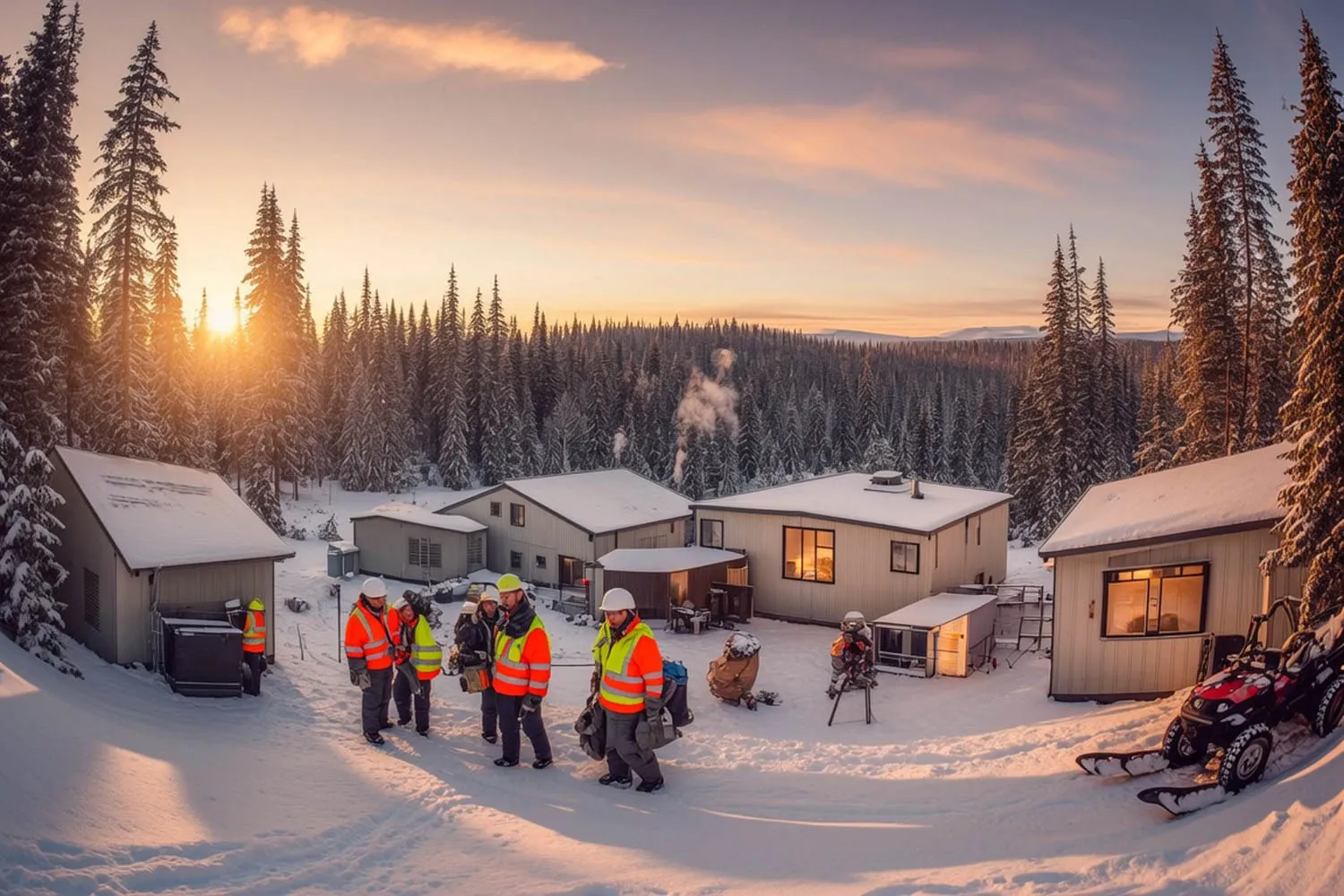
The demands placed on isolated worksites are not going away. If anything, projects are moving into more remote and more environmentally sensitive areas as accessible resources become harder to find. That means the pressure to operate efficiently and responsibly will only increase.
Companies that treat technology and sustainability as connected priorities, rather than separate checkboxes, are better positioned to handle whatever comes next. As more projects move into harder-to-reach locations, the operators who invest early in smart systems and cleaner energy will be the ones best equipped to deliver dependable remote camp services for years to come.
























Sign in to leave a comment.