

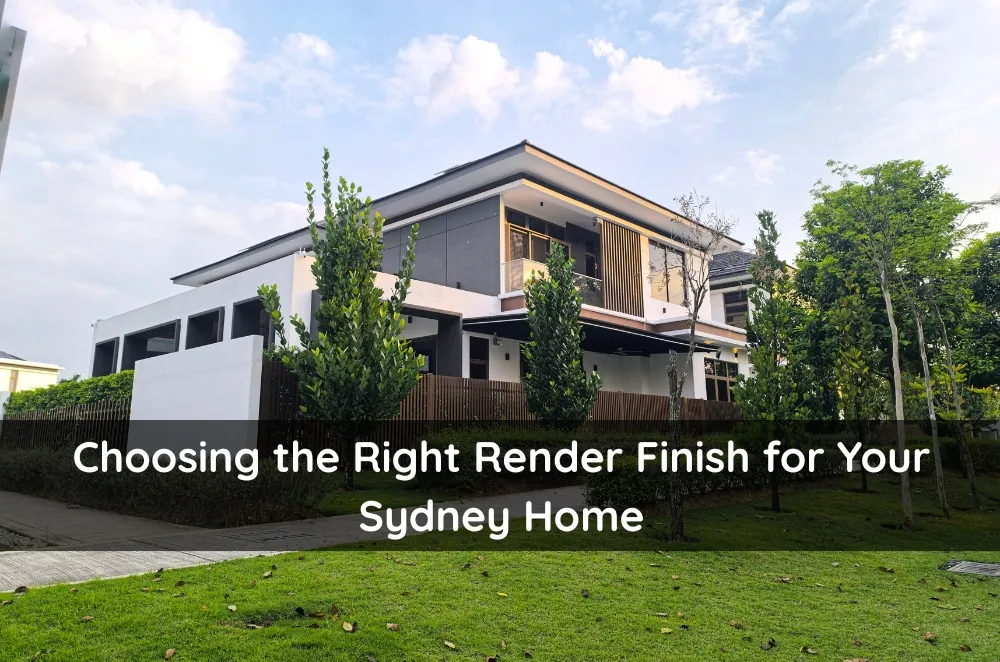
Rendering can freshen up an older home, tidy mismatched brickwork, and give a building a cleaner, more modern look.
It can also fail early if the wall underneath isn’t ready.
In Sydney, the difference between a render that lasts and a render that cracks or bubbles is usually decided before the first coat goes on.
This article breaks down what to check, how to choose a system, and what to plan for so the finish looks good and stays that way.
What “rendering” means in plain English
Rendering is applying a coating over a wall to create a smoother, more uniform surface.
It’s not paint.
Paint is a thin top layer. Render is a build-up layer that becomes part of the wall system.
Once it’s on, changing it later is messy and expensive, so it pays to get the basics right.
Why Sydney homes get rendered so often
Sydney has plenty of older brick houses, renovated facades, and mixed-material builds (brick plus fibre cement, or old plus new extensions).
Rendering is often used to:
- Modernise tired brick
- Blend renovations into the original home
- Cover the repaired areas where the materials don’t match
- Add a tougher outer layer when paired with the right setup
Looks matter, sure.
But the practical side matters more.
Cement render vs acrylic render (simple comparison)
There’s no one “best” render. There’s a best match for the wall you’ve got.
Cement rendering
Cement render is the traditional sand-and-cement mix, usually applied in coats.
It can suit stable masonry walls, and it can last well when the surface prep is spot on.
The downside is that cement render can be less forgiving if the wall moves. Small movement can show up as cracking if the system and detailing don’t allow for it.
Acrylic rendering
Acrylic render systems include polymers that can improve flexibility and adhesion.
They’re often used where minor movement is expected, or where a specific texture and finish is wanted.
Acrylic doesn’t mean no maintenance, though.
It still needs correct prep, correct thickness, and sensible weather protection during curing.
Practical opinion: Choose the system that suits your wall, not the one that looks best on a brochure.
Practical opinion: Fix moisture issues first, even if it delays the “pretty” part.
Practical opinion: If the scope is vague, the outcome usually is too.
What to check before you render external walls
Most rendering problems come from what’s underneath or around the render, not the render itself.
Here are the key checks.
Wall condition and stability
Render needs a stable base.
If bricks are crumbling, mortar is soft, or the wall shows signs of ongoing movement, address that first.
A crack that is still moving will usually come back through the finish.
Moisture paths
Moisture is a common reason for bubbling, staining, and delamination (where the render separates from the wall).
In Sydney, watch out for:
- leaking gutters and downpipes
- poor drainage where the soil sits too high against the wall
- blocked weep holes
- old paint layers that trap moisture
If you trap moisture behind a sealed finish, it tends to find an exit later.
And it won’t be subtle.
Existing coatings
Rendering over painted brick or old render can be fine, but only with the right prep.
That might mean cleaning, mechanical keying, removal of failing layers, priming, or a specific bonding system.
A quick skim coat over a shiny surface is asking for trouble.
Details around openings and corners
Corners, window reveals, control joints, and transitions between materials are where issues often start.
Neat edging looks great.
Good detailing is what makes it last.
Finishes: Colour, texture, and the “easy to live with” factor
When people pick a finish, they usually start with colour and texture.
That’s normal.
But it also helps to think about how it will behave day to day:
- Will road dust show quickly?
- Will the surface be easy to wash down?
- Will small repairs blend in later?
- Will sun exposure fade the colour faster?
Super-smooth finishes can show imperfections more clearly.
Heavier textures can hide minor flaws but may catch dirt in high-traffic areas.
An operator moment: What you notice after seeing a few repairs
After you’ve seen enough rendering repairs and patching jobs, you start to notice the same causes popping up.
I’ve seen walls where the render looked fine at handover, but a small gutter overflow kept wetting one section. Months later, you’d see bubbling and stains, and the owner was stuck paying twice.
A good finish can still hide rushed prep.
That’s why the boring checks are the smart ones.
A Sydney mini-walkthrough (residential or commercial)
Imagine you’ve bought a brick home in Western Sydney, or you manage a small shopfront in the Inner West, and the front wall looks dated.
- Watch what happens in heavy rain: where does water run and where does it pool?
- Fix guttering, downpipes, and drainage before you touch the wall finish.
- Check for salts, loose mortar, and old paint layers that might stop adhesion.
- Decide on a finish that suits the location (busy road, coastal air, full sun).
- Confirm how corners, windows, and joins will be reinforced and sealed.
- Plan access and timing so curing isn’t rushed or exposed to bad weather.
That order saves headaches.
Most people do it backwards.
Planning for weather and curing in Sydney
Rendering is affected by heat, wind, humidity, and rain.
Sydney can swing from hot, dry days to sudden rain, and coastal humidity can slow curing.
Good planning usually includes:
- Avoiding the application right before heavy rain
- Protecting fresh render from fast drying in hot wind
- Allowing realistic time between coats
- Safe access (scaffolding, clear paths, protected gardens)
Rushing curing is one of the fastest ways to end up with a finish that looks “tired” early.
Repairs and patching: Why “just fix that bit” isn’t always simple
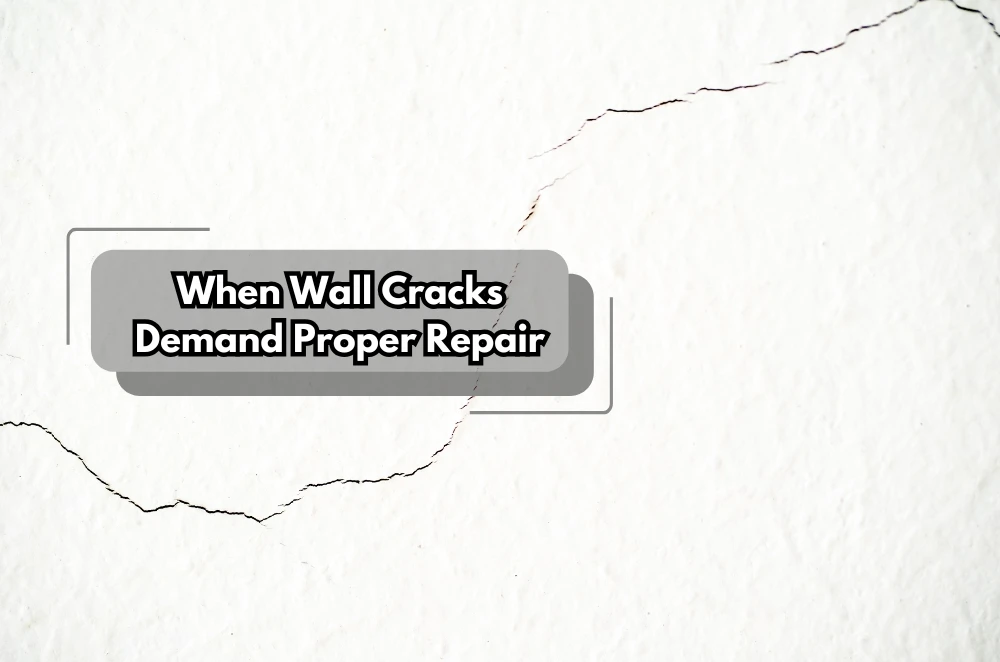
Small cracks and damaged sections are common, especially on older homes.
But a patch needs to match the system and texture, not just fill the hole.
If you patch acrylic with basic cement (or vice versa), the area can age differently and stand out.
A proper repair usually involves:
- Finding the cause (movement, moisture, impact)
- Cutting back to a sound edge
- Rebuilding with compatible layers
- Blending texture and finish so it doesn’t look like a band-aid
If you’re weighing repairs versus a full refresh, it can help to review the process and options with the Jim’s Rendering Sydney team.
How to think about cost without getting stung
Rendering costs vary because the wall and access vary.
Two houses can look similar from the street and price up very differently once you consider prep and detailing.
Cost drivers often include:
- Prep work (cleaning, keying, removal of failing coatings)
- Wall repairs before rendering starts
- Scaffolding and site access
- Reinforcement needs (mesh, corners, joins)
- Number of coats and finish type
If you want quotes you can compare, ask for the system and prep steps in writing.
Not just the total.
Key Takeaways
- Rendering success is mostly decided by wall condition, moisture control, and prep.
- Cement and acrylic systems suit different substrates and movement levels.
- Corners, joins, and openings need good detailing to reduce cracking risk.
- Get a clear scope in writing so the finish and the prep match the price.
Common questions we hear from Australian businesses
How long should we allow for a render job on a typical Sydney property?
Usually, you should allow for prep plus curing time, not just the days someone is on site. A practical next step is to ask for a simple schedule that includes drying windows between coats and weather allowances. In Sydney, sudden rain or humid spells can slow curing more than people expect.
Can you render over painted brick, or does the paint have to come off?
It depends on the paint type and how well it’s bonded. In most cases, you can render over it, but it may need mechanical keying, removal of failing layers, and the right primer or bonding method. The next step is to test a small area so you don’t commit to a system that won’t grip. Older Sydney paint jobs can hide surprises.
What’s the most effective way to reduce cracking without overcomplicating the job?
In most cases, start with stability and moisture: fix leaks, check drainage, and make sure the wall is sound. Then use reinforcement where it matters most (corners, joins, window reveals, mixed-material transitions). A good next step is a walkthrough where those “stress points” are marked before work begins. Many Sydney homes have extensions and joins that need extra thought.
If we’re near the coast or a busy road, how do we keep render looking clean?
It depends on the texture and colour. Usually, mid-tone colours and finishes that aren’t overly rough are easier to live with, and a gentle wash-down beats waiting until grime builds up. The next step is choosing a finish with maintenance in mind, not just the look on day one. Coastal salt air and Sydney traffic dust are normal realities, so plan around them.



Sign in to leave a comment.