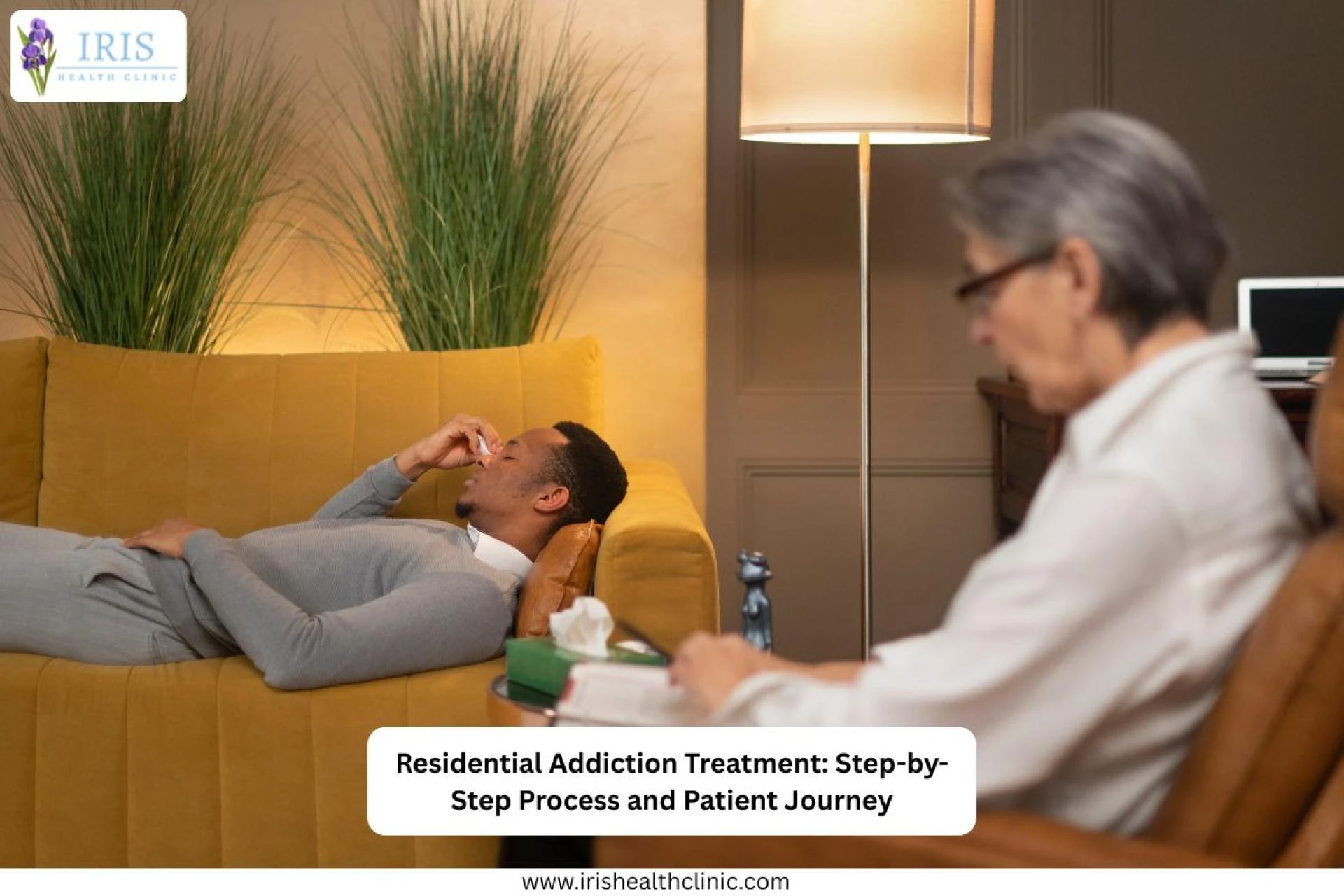
People with substance abuse issues and related mental health problems will find the residential treatment at Iris Health Clinic, located in Wisconsin, to be a complete and kind way to get to recovery that lasts. The following is a closer look at every stage, in addition to the most common questions families and patients ask—thereby enabling you to take an informed decision for yourself or a close one.
Step 1: Comprehensive Intake and Holistic Assessment
During the first stage of recovery, Iris conducts a complete medical, psychiatric, and social review to assess the overall health condition. The objective of each assessment at Iris is to discover not only drug usage but also the possible presence of medical or psychological problems such as anxiety, depression, PTSD, or chronic pain that could be contributory factors. The result of this step is a customized whole-person residential addiction treatment plan.
Step 2: Medically Supervised Detoxification (If Necessary)
The option of detoxification under medical supervision, which also ensures safety and comfort, is chosen by few. The combination of medication and 24/7 clinical monitoring assists considerably in withdrawing addiction and stabilizing the detox process, especially in the case of heavy dependence or if the person has health-related issues that are complicating the situation.
Step 3: Daily Therapeutic Programming and Skill-Building
The daily schedule of a residential treatment program consists of the dual therapies like individual and group therapies that are scientifically supported, family counseling, education workshops, and different activities like art, mindfulness, or fitness. Group therapy often deals with the following issues:
Step 4: Addressing Co-Occurring Disorders
Iris treatment integrates mental health and substance use. The clients get simultaneously mind and body healing by having co-occurring disorders' psychiatric medication management and therapy.
Step 5: Family Involvement and Support
Addiction is a disease that affects the whole family; thus, the loved ones are welcomed into the recovery process. Family therapy, information dissemination, and peer support activities make communication among family members more effective and turn them into guides on their own healing journey—thus enhancing the recovery process and reducing stigma.
Step 6: Developing Coping Strategies and Relapse Prevention
Patients in recovery on residential care have time to work together with their care team to come up with the best plans for helping them to avoid returning to their drug of choice. Some of the areas being discussed are:
- Identifying the individual’s personal triggers and developing steps for action
- Conflict resolution, stress management, and self-care routines
- Healthy support systems and accountability partners are being built
Step 7: Aftercare and Ongoing Recovery Support
The discharge does not mark the end of the recovery process. Iris offers aftercare planning, which can involve outpatient psychotherapy, support groups, sober living, or continued psychiatric treatment. Long-term growth is fostered by continuous contact and community-based supports that prevent relapse.
Special Considerations and Benefits
- Diverse Programming: Iris' programs cater to the requirements of young adults, working professionals, parents, older adults, and those with complex trauma or issues relating to their identity.
- Peer Community: Living and healing with others on similar journeys reduce isolation, provide help against shame, and promote connection—this is addiction recovery's vital source of strength.
- Whole-Person Wellness: Iris's multidisciplinary approach covers all aspects of health ranging from nutrition and physical fitness to mindfulness and medication support.
Ready to Begin?
If yourself, your family, or your institution are searching for residential addiction and mental health treatment in Wisconsin that is compassionate, affordable, and effective, Iris Health Clinic is at your service. Allow us to help you take the first step toward recovery—every journey is different, yet no one has to walk it alone.

























Sign in to leave a comment.