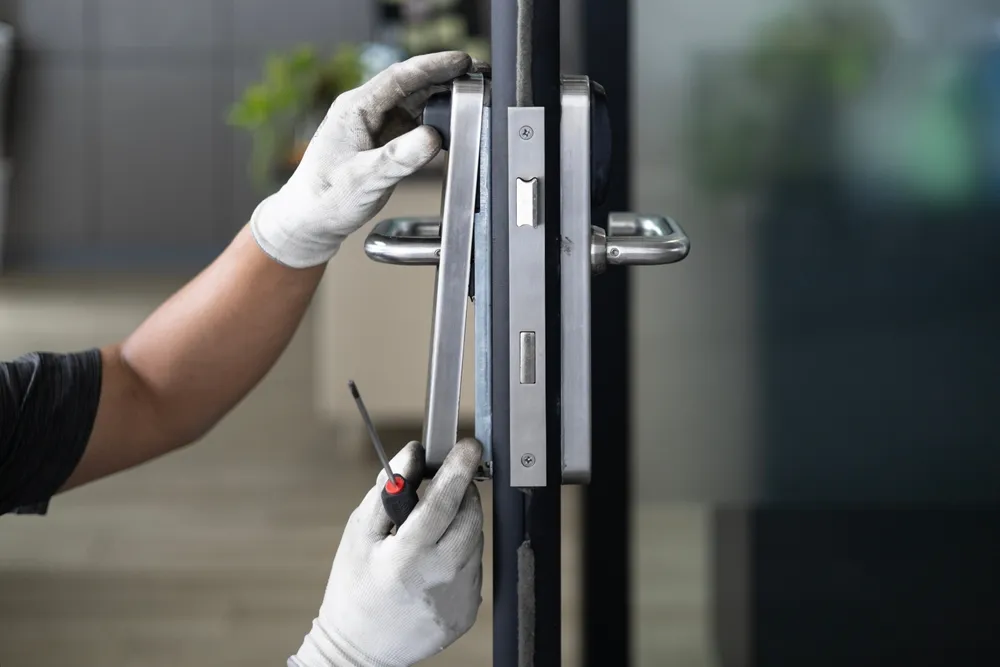

Home security is no longer limited to installing a lock on the front door. Modern homeowners are thinking about access control, smart locks, reinforced entry points, garage security, and emergency preparedness as part of a broader strategy for protecting their property. Small improvements can make everyday access more convenient while also reducing common security risks.
For homeowners searching for a residential locksmith Seattle, choosing the right security solutions starts with understanding the property's specific needs. A locksmith can help assess locks, doors, entry points, and other access systems while recommending solutions suited to the home's layout and the homeowner's priorities. Whether the goal is to upgrade outdated locks or improve security after moving into a new property, professional guidance can make the process more effective.
Why Home Security Needs a Modern Approach
Homes have changed significantly over the years. Many properties now have multiple access points, including front and back doors, garages, side entrances, patios, and smart entry systems.
Each access point can require a different security approach.
A strong home security plan should consider:
- Exterior doors
- Garage entrances
- Sliding doors
- Windows
- Smart locks
- Spare keys
- Access codes
- Outdoor lighting
- Security cameras
The objective is not necessarily to make a home difficult to access for everyone. Instead, homeowners should aim to make authorized access convenient while making unauthorized entry more difficult.
Start with the Main Entry Points
The front door is usually the primary access point, making its lock and hardware particularly important.
Homeowners should check whether the existing deadbolt and door hardware are in good condition. Loose hardware, worn mechanisms, or damaged locks can reduce reliability.
Door frames should also be considered. A strong lock may provide limited benefit if the surrounding frame or strike plate is weak.
Upgrading the lock, reinforcing the strike area, and ensuring the door closes and latches correctly can all contribute to a stronger entry system.
Rekeying vs. Replacing Locks
Homeowners don't always need to replace every lock when they want to improve security.
Rekeying changes the internal configuration of a lock so that an existing key no longer operates it. This can be useful when homeowners move into a previously occupied property or want to prevent old keys from working.
Replacing the lock, on the other hand, involves installing new hardware.
The right option depends on the condition of the existing lock and the homeowner's security requirements.
Moving into a New Home?
Moving into a new property is an ideal time to review access security.
Previous owners, tenants, contractors, property managers, or other individuals may have had access to keys during the property's history. Homeowners may not know exactly how many copies exist.
Rekeying or replacing locks can give the new occupants greater control over who has access.
This is a relatively straightforward security step that can provide peace of mind after moving.
Smart Locks Are Changing Home Access
Smart locks have become increasingly popular as homeowners look for alternatives to traditional keys.
Depending on the model, smart locks can offer features such as:
- Keypad entry
- Smartphone access
- Temporary access codes
- Activity notifications
- Remote locking
- Integration with smart-home systems
However, smart technology doesn't automatically mean better security. Homeowners should consider the device's security features, software updates, battery requirements, and backup access method before installation.
A smart lock should also be compatible with the existing door and hardware.
Smart locks have become increasingly popular as homeowners look for alternatives to traditional keys. However, connected locks should be evaluated not only for convenience but also for their digital security. NIST highlights that smart-home IoT devices can introduce cybersecurity and privacy considerations, making secure configuration and responsible use important parts of a connected-home strategy.
Don't Forget the Garage
Garage doors are sometimes overlooked when homeowners evaluate their security.
An attached garage may provide direct access to the home, making it an important part of the overall security system.
Homeowners should ensure that garage doors close properly and that access controls are kept secure. If a garage connects directly to the living space, the interior door should receive the same attention as the home's exterior entrances.
Remote garage controls should also be protected from unauthorized access.
Sliding Doors Need Extra Attention
Sliding glass doors can present different security considerations from traditional hinged doors.
Some older sliding doors may have outdated or less robust locking mechanisms. Homeowners can consider additional security hardware or upgrades designed specifically for sliding doors.
Visibility is another consideration. Curtains, blinds, and privacy films can help reduce visibility into the home, particularly at night.
What to Do After Losing a House Key
Losing a key can be more than an inconvenience if there is a possibility that someone could identify the property associated with it.
Homeowners should consider the circumstances surrounding the loss.
If a key was lost alongside identification containing the homeowner's address, changing the lock or rekeying it may be a sensible precaution.
The appropriate response depends on the situation, but acting quickly can reduce unnecessary security concerns.
Build an Emergency Access Plan
Emergency preparedness isn't only about natural disasters or power outages. Homeowners should also think about situations involving lost keys, damaged locks, accidental lockouts, or unexpected access problems.
A simple emergency plan can include:
- Keeping contact information for a reliable locksmith.
- Maintaining a properly stored spare key.
- Knowing which household members have authorized access.
- Keeping smart-lock backup methods available.
- Checking locks and door hardware periodically.
Having a plan before an emergency occurs can make an unexpected situation much easier to manage.
Why Spare Keys Still Matter
Despite the popularity of smart locks and keyless entry, traditional spare keys remain useful for many households.
A spare key can provide an alternative when a primary key is lost or damaged. However, it should be stored securely rather than hidden in an obvious outdoor location.
Homeowners can also consider leaving a spare with a trusted family member or another authorized person.
The key is to balance accessibility with security.
Choosing the Right Locksmith
When hiring a locksmith for residential work, homeowners should consider experience, service availability, identification procedures, and the types of security systems the professional handles.
It is also worth asking questions before work begins.
For example:
- What security issue is the recommended solution addressing?
- Can the existing lock be rekeyed?
- Is replacement necessary?
- Is the hardware compatible with the door?
- Are there backup options for electronic locks?
- What maintenance might be required?
A professional explanation can help homeowners understand why a particular solution is being recommended rather than simply choosing the most expensive option.
Technology and Traditional Security Can Work Together
Modern home security doesn't require homeowners to abandon traditional security methods.
A well-designed system can combine strong mechanical locks with smart technology, lighting, cameras, controlled access, and good household practices.
For example, a homeowner might use a smart lock for convenient daily access while keeping a secure backup method available. Motion-activated lighting can complement physical security, while cameras can provide additional visibility around entrances.
The strongest approach is often a layered one.
Preparing for Key-Related Emergencies
Homeowners who want to learn more about the role of spare keys in emergency preparedness for homeowners can use practical guidance on planning for lost keys, lockouts, and unexpected access situations. Having a secure backup option can reduce disruption when something goes wrong and can form part of a broader household preparedness plan.
The important point is that a spare key should be managed responsibly. Leaving one in an obvious hiding place can create a security risk rather than solve one.
A Layered Approach to Home Protection
Effective residential security isn't based on one product or one lock. It comes from combining appropriate hardware, controlled access, good habits, and preparation.
Homeowners in Seattle can start by inspecting their existing locks and identifying vulnerable or frequently used entry points. From there, they can consider rekeying, lock replacement, smart access systems, garage security, and emergency planning.
Regularly reviewing home security is especially useful after moving, losing a key, completing renovations, or changing household members.
A proactive approach allows homeowners to address potential problems before they become emergencies. With the right combination of professional locksmith services and sensible security practices, protecting a home can become a practical part of everyday household management.
FAQs
1. When should I consider rekeying my home's locks?
Rekeying can be useful after moving into a new home, losing a key, or when you want previously issued keys to stop working. A locksmith can determine whether rekeying is suitable for your existing locks.
2. Are smart locks more secure than traditional locks?
Smart locks offer additional features such as access codes and remote control, but security depends on the specific product and how it is configured. They should be installed correctly and maintained properly.
3. Where should I keep a spare house key?
A spare key should be kept somewhere secure and accessible to an authorized person. Avoid obvious outdoor hiding spots that could be easily discovered.
4. Should I replace my locks after moving into a new house?
It can be a sensible precaution because previous occupants or other individuals may still have copies of existing keys. Rekeying may be an alternative to complete lock replacement.
5. What should I do if I lose my house key?
Consider the circumstances of the loss. If the key could be connected to your home address, contact a professional locksmith to discuss rekeying or replacing the affected lock.

























Sign in to leave a comment.