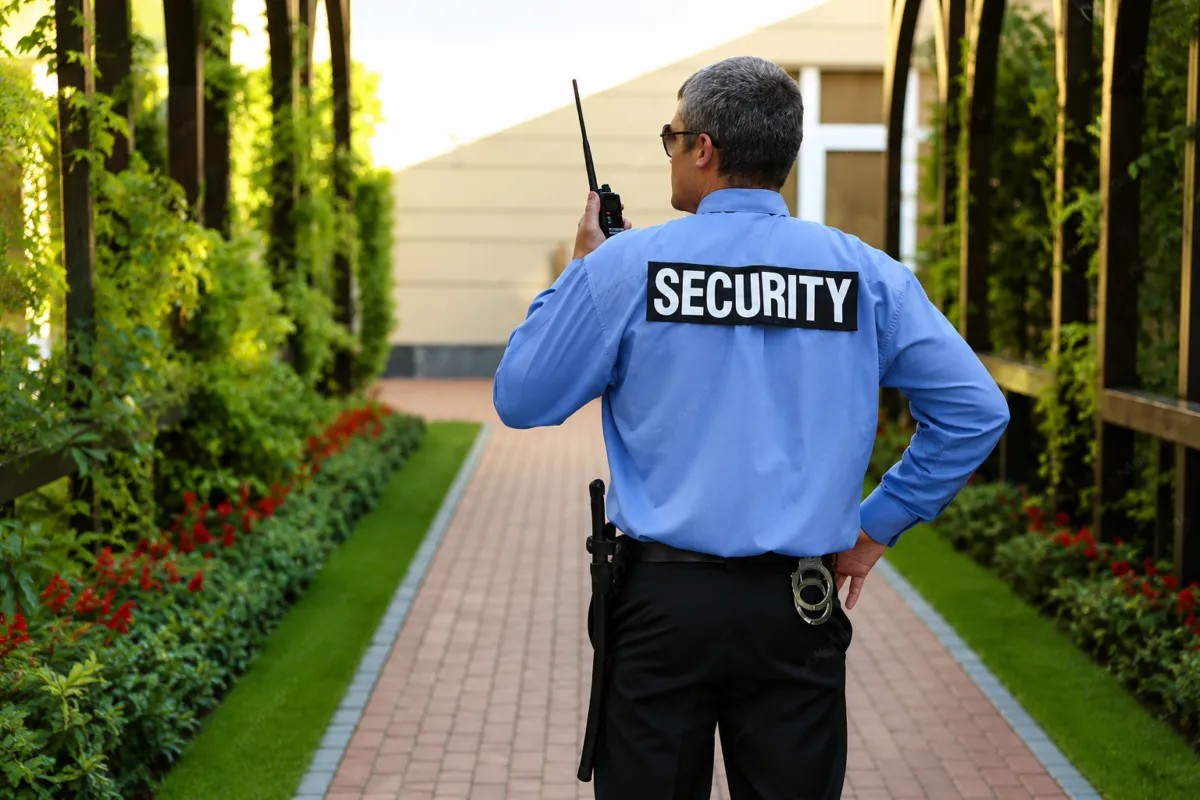

The term ‘residential properties’ can mean a standalone property in a tranquil neighborhood, a block of flats housing hundreds of people, or a secure gated complex. The security concerns that they have, however, are entirely different.
This is why the question to ask is not:
“How much security do I need for my home?”
But:
“What points of entry do I use, what needs protection, and what happens if nobody is around to guard it?”
Security solutions provided by professionals in the field, including residential security services, may come in handy, but only to manage those threats that cannot be managed by locks, lights, CCTV cameras, and access control systems alone.
Why Every Residential Property Has Different Security Needs
The security requirements are not based on the value of the property but rather on its exposure.
Here are three instances to consider.
There are lifts and card readers already, but hundreds of people move through the lobby every day – tenants, guests, deliverymen, and contractors.
A landed property may receive very few visitors, have side entrance access, be unattended for long periods of time, and have numerous windows that can be easily accessed from the outside.
Another challenge for a gated housing complex is managing vehicle and guest access across a large perimeter.
That produces very different priorities:
| Property | Typical Security Focus |
| Landed home | Perimeter, doors, windows, unattended periods |
| Condominium | Visitor access, common areas, parking, deliveries |
| Gated community | Entry points, vehicles, patrols, shared boundaries |
| Luxury residence | Privacy, controlled access, higher-value assets |
Security therefore needs to follow the property rather than a standard package.
What Security Risks Should Homeowners Consider?
Consider how someone might enter the property.
There were 11,334 cases of housebreaking and theft in Malaysia in 2024. The data collected from the Royal Malaysia Police shows that about 77.6% of such cases happened at night.
Not all homes need security guards, but some do. This means homeowners should consider what could happen when everyone in the house is asleep or away.
Consider:
- entrances hidden from neighbours or cameras;
- poorly illuminated side and rear areas;
- vehicles parked outside secure compounds;
- predictable periods when the house is empty;
- contractors or domestic workers requiring access;
- parcel and delivery activity;
- malfunctioning gates or access cards;
- large compounds that cannot easily be observed from the house.
The goal is to identify specific gaps, not to make the property feel like a fortress.
How to Assess the Security Level Your Property Requires
A useful assessment can be built around three layers.
Layer 1: Delay
Are doors, gates, windows and barriers hard to enter unauthorizedly?
Proper physical security can buy valuable time.
Layer 2: Detection
Would it be possible to notice that something out of the ordinary is taking place?
This is where lighting, alarms, sensors, and surveillance cameras work their magic.
Layer 3: Response
What happens when a threat is detected?
This question is often overlooked.
Recording someone entering the property through a fence is not the same as having a response in place.
This has to be considered when discussing additional residential security services.
When Are Residential Security Services Worth Considering?
Professional assistance becomes more valuable when a property faces risks that cannot be managed remotely or consistently.
Examples include:
- large residential compounds;
- gated communities with continuous visitor traffic;
- residences left vacant for extended periods;
- properties requiring 24-hour controlled entry;
- repeated trespassing or access problems;
- homes with a documented elevated security concern;
- developments where parking, common areas and boundaries require patrols.
CCTV, alarms, lights and locks in proper locations may constitute a better, more proportional measure for individual houses.
For a large condominium or gated community, there can be hundreds of daily interactions that cannot be managed through technology alone, making residential security services worth considering where active monitoring and response are required.
What Can Residential Security Guard Services Offer?
Security guard services at residential developments go beyond simply posting a guard next to a gate.
Depending on the development, the duties may include:
- Visitor verification: Verification of visitors and the people they intend to see.
- Vehicle access: Checking and controlling vehicle entry.
- Patrols: Checking parking lot areas, common areas, borders, and other quiet zones within the development.
- Incident documentation: Documenting all incidents as opposed to relying on memory and verbal communications.
- After-hours response: Acknowledging alarms, gate opening, and any other unusual occurrences during off-peak hours.
Consistency is essential.
Just because the property has security guards does not mean it has access control in place where one guard checks visitors while another one opens the gate without checking.
How to Choose the Right Security Service for Your Home
Once the quotations have been compared, identify the problems that the security provider needs to solve.
For a gated community, assess the traffic flow and patrolling requirements. In the case of a condominium, find out the details regarding the lobby, parking, and management of contractors.
Find out whether permanent security guarding is required for an individual property or whether scheduled guarding along with technology can suffice.
There is also an additional minimum compliance check that cannot be overlooked in Malaysia.
eSIMS, provided by the Ministry of Home Affairs, allows citizens of Malaysia to check the licenses of private security agencies under the Private Agencies Act 1971.
The security vetting of Malaysian and Nepalese guards should also be verified.
Before selecting a security service, including residential security services, ask:
- Is the provider currently licensed?
- How are guards vetted and trained?
- Who supervises them?
- How are missed shifts covered?
- Are patrols recorded?
- What requires escalation?
- How are visitor records handled?
- Can the provider explain why the proposed number of guards is necessary?
A proposal should explain the reasoning behind the security plan, not simply quote a number of guards and shifts.
Conclusion
Sometimes more is not always better.
A home should be secure enough to prevent people from entering the property, detect any suspicious activity around it, and have contingency plans in case such activity takes place.
For example, a single home may just need proper lighting, a lock mechanism, CCTV, and a security alarm installed. For high-density areas such as condominiums or gated communities, residential security services may be required because these areas require active monitoring of people and vehicles.
The more appropriate question is not “Do we need guards?” but “Where does our current security plan lack an effective response if nobody notices anything unusual?”
Choose the right level of residential protection with JSC Security, providing reliable residential security services tailored to your property’s specific needs.





















Sign in to leave a comment.