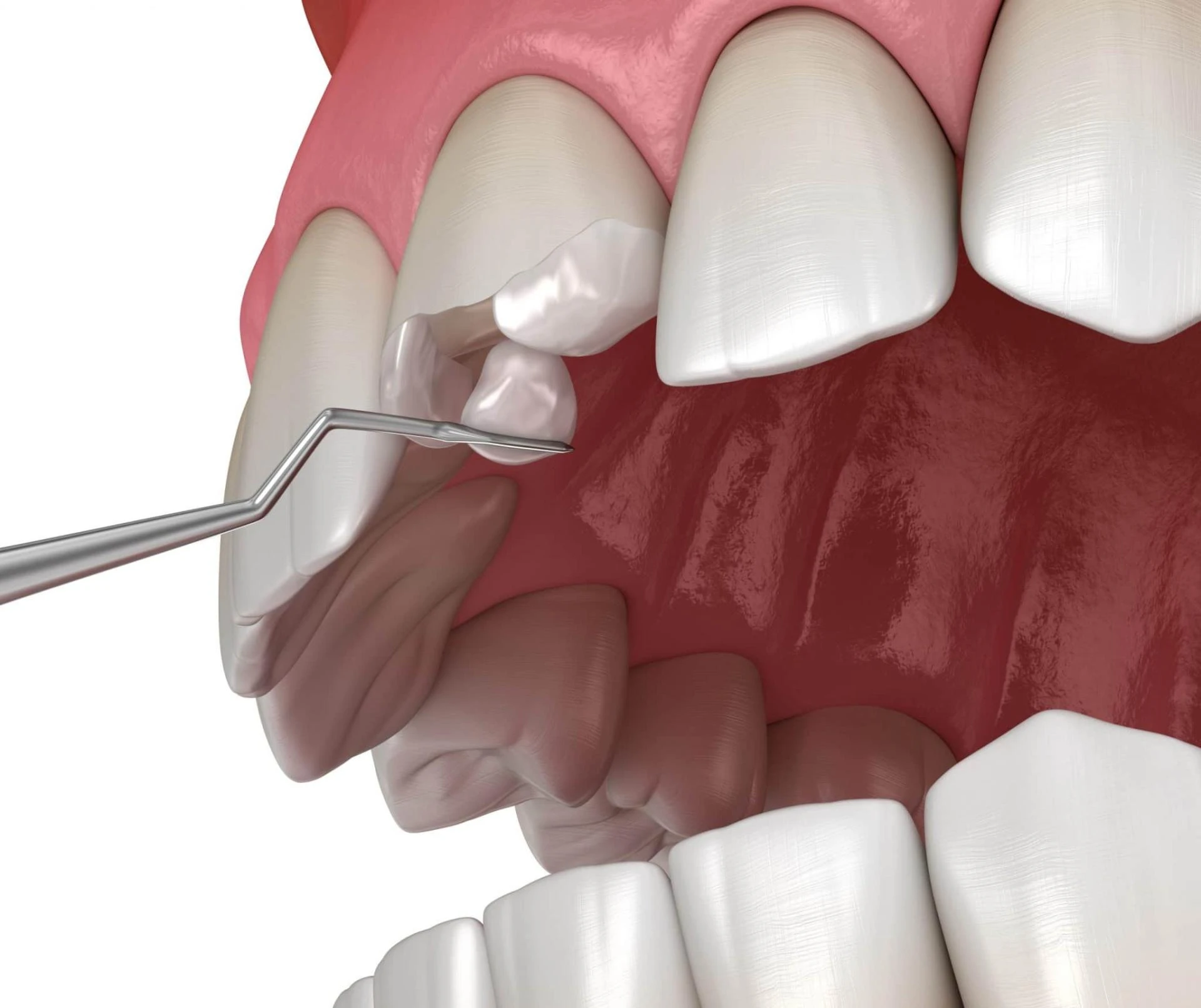

Taking care of your teeth goes beyond regular brushing and flossing. Over time, damage, decay, or injury can affect your oral health. That’s where restorative dentistry steps in. This area of dental care focuses on bringing back the normal function and appearance of your teeth. Whether it's fixing a cavity or replacing a lost tooth, the goal is to help you chew, speak, and smile without discomfort.
This guide covers everything you need to know about how restorative dental care works. We’ll also talk about one of the most common treatments: the root canal and crown. If you've been putting off a visit to the dentist, this information can help you understand why timely care is so important.
What Is Restorative Dentistry?
Restorative dentistry involves procedures that repair or replace teeth. It can include simple fillings or more involved treatments like bridges or implants. The main aim is to preserve your natural teeth whenever possible. Dentists also focus on maintaining the alignment of your bite and preventing further dental issues.
This type of care is different from cosmetic procedures. Cosmetic treatments focus on how your teeth look. Restorative work fixes the health and function of your teeth first, although it often improves their appearance too.
Common Causes of Tooth Damage
Before needing dental restoration, it helps to understand what might lead to it. Here are a few typical reasons people require treatment:
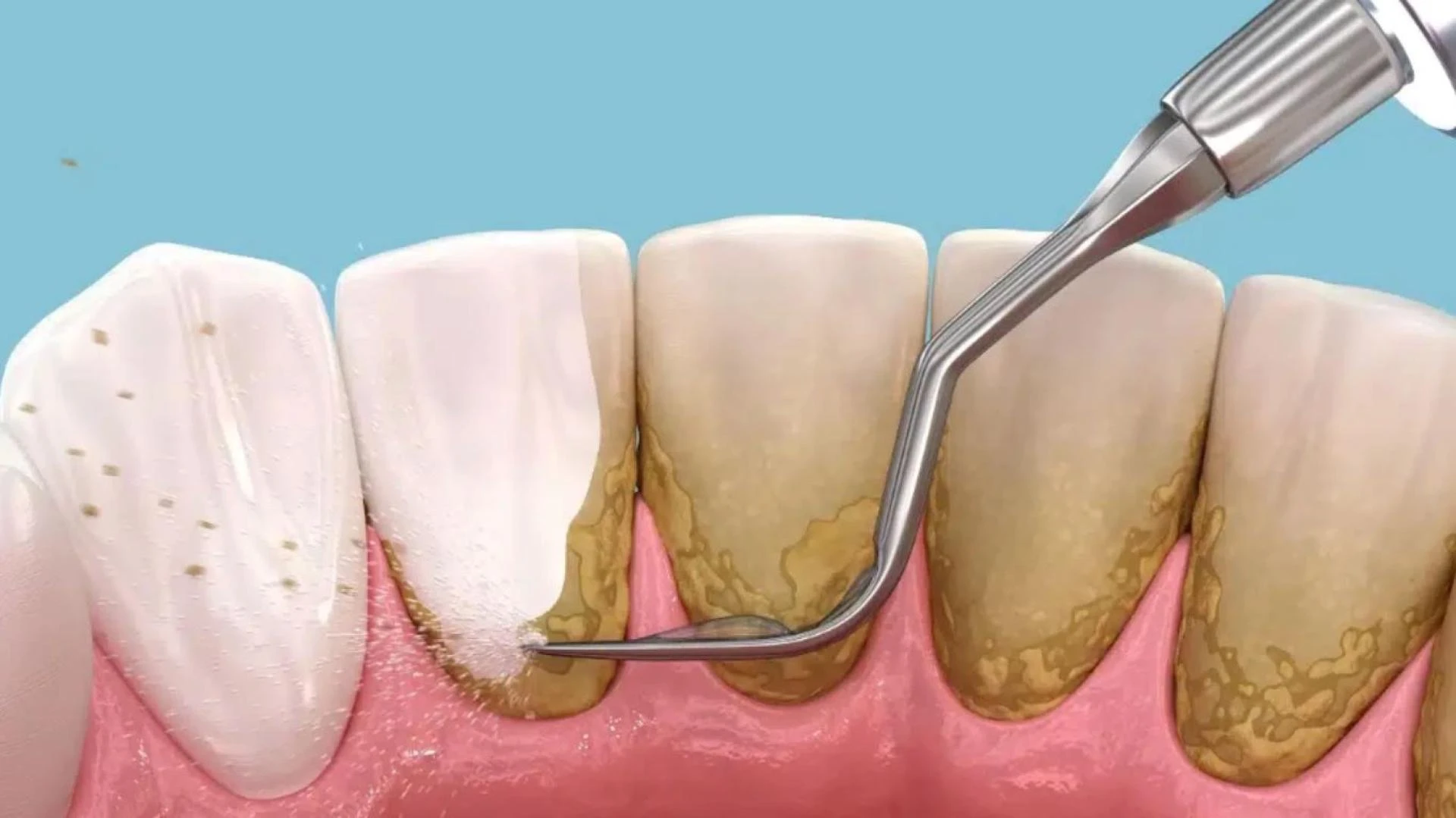
- Tooth decay due to plaque and bacteria buildup
- Chipped or broken teeth from accidents or injuries
- Worn-down teeth from grinding or acidic foods
- Missing teeth due to gum disease or trauma
Ignoring these issues can lead to infection, pain, and even more damage. That’s why getting care early makes a big difference.
Signs You May Need Dental Restoration
Many people delay treatment because they don’t realize something is wrong. Watch for these warning signs:
- Pain while biting or chewing
- Sensitivity to hot or cold foods
- Swelling in the gums or face
- Visible holes or dark spots on your teeth
- A cracked or broken tooth
- Gums pulling away from the tooth surface
If you notice any of these symptoms, contact your dentist. Getting a proper diagnosis is the first step in stopping the problem from getting worse.
How Root Canal and Crown Treatments Work
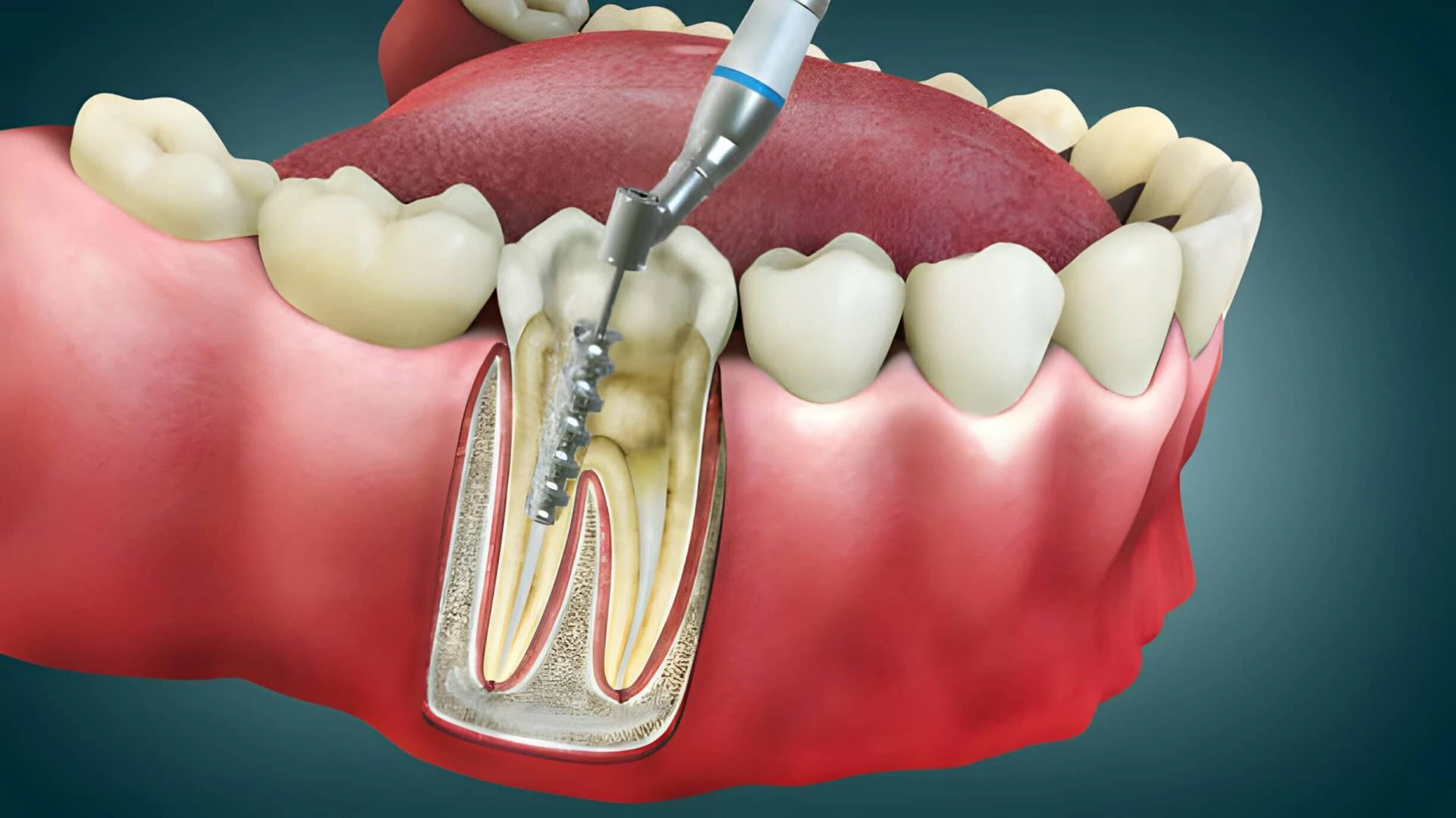
One of the most effective ways to save a badly damaged tooth is through a root canal & crown procedure. While it sounds scary to some, it's a routine treatment that can protect your oral health and avoid tooth removal. A root canal is done when decay or infection reaches the pulp the soft inner part of the tooth. During the procedure, the dentist removes the infected tissue and cleans the canal. After cleaning, the tooth is sealed to keep bacteria out.
To strengthen the tooth after a root canal, a crown is placed over it. The crown covers the tooth like a cap and restores its shape, size, and strength. Together, a root canal and crown can help you keep your natural tooth for years.
Benefits of a Root Canal and Crown
Here are a few reasons this treatment is highly recommended:
- Relieves pain caused by infection
- Stops the spread of infection
- Keeps the natural tooth in place
- Prevents jawbone loss that can happen with missing teeth
- Restores chewing and biting ability
Most people return to normal activities quickly after treatment. The procedure has a high success rate and lasting results when properly cared for.
Other Types of Restorative Dentistry Treatments
Not all damage requires a root canal. Restorative dentistry includes several options based on your condition:
Fillings: Used for small cavities. The dentist removes decay and fills the hole with a durable material.
Crowns (without root canal): When a tooth is weakened but not infected, a crown can protect it from breaking further.
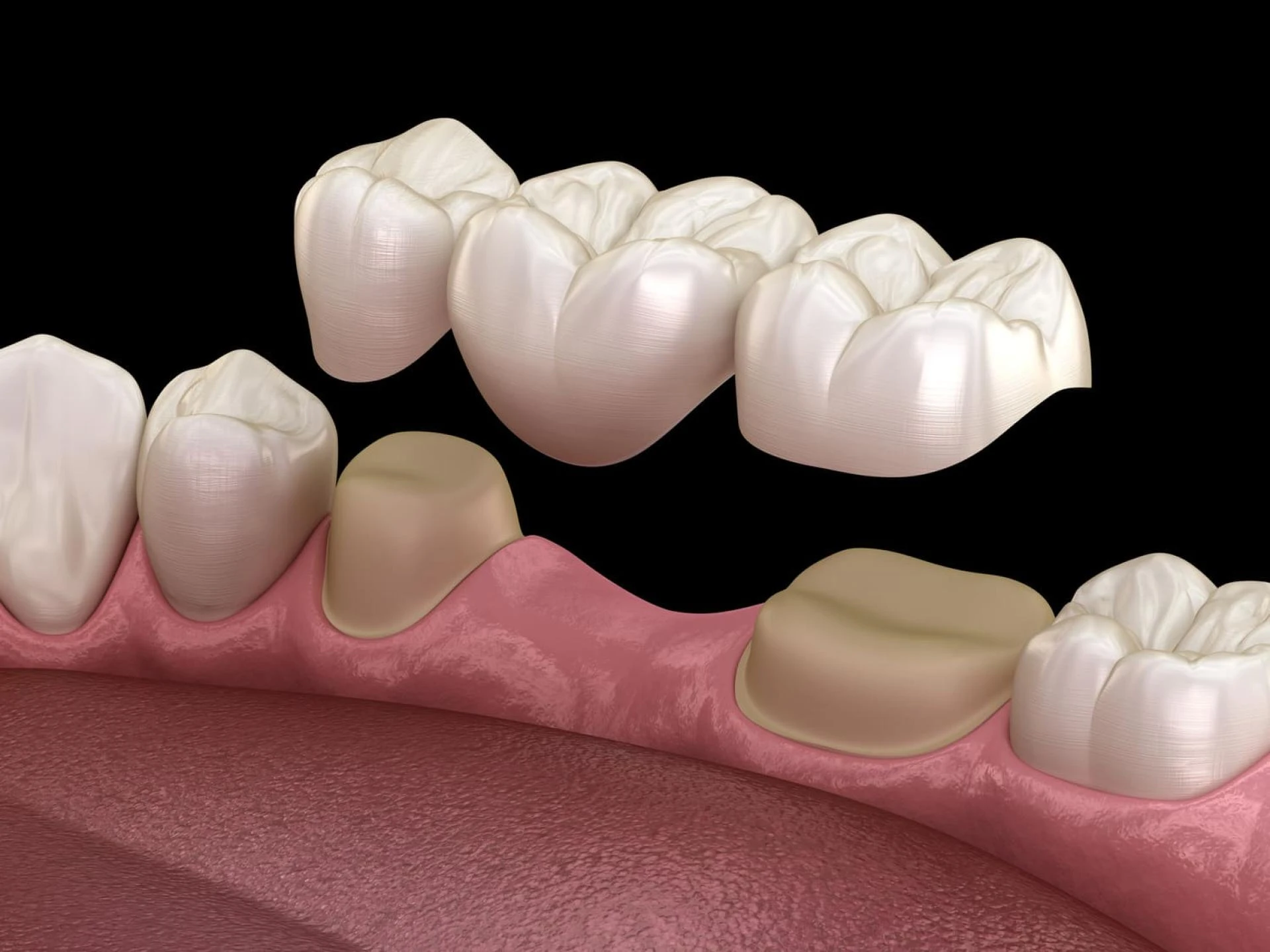
Bridges: Used to fill gaps from one or more missing teeth. A bridge is anchored by nearby healthy teeth or implants.
Dentures: For multiple missing teeth, dentures restore both function and appearance.
Dental Implants: A long-term solution where a metal post replaces the root of a missing tooth, and a crown is added on top.
Each option is chosen based on the health of your mouth, your preferences, and your dentist's advice.
Preventing the Need for Major Treatments
While restorative dentistry is effective, preventing damage is even better. Here are simple steps to protect your teeth:
- Brush twice a day with fluoride toothpaste
- Floss daily to remove food particles and plaque
- Visit your dentist twice a year for exams and cleanings
- Avoid chewing hard items like ice or pens
- Use a mouthguard if you grind your teeth or play sports
- Eat a balanced diet low in sugar
These habits lower your risk of decay, cracks, and gum disease and help you avoid more involved treatments like a root canal and crown.
When to See a Dentist for Restoration
Don’t wait until you’re in pain. The earlier you catch a problem, the easier and less costly it is to fix. Schedule a dental visit if you:
- Feel discomfort or pressure in a specific tooth
- See changes in the color or shape of a tooth
- Have bleeding or swollen gums
- Lost or chipped a filling or crown
Your dentist can guide you through treatment options and explain which form of restorative dentistry is best for you.
Conclusion
Ignoring dental problems often leads to bigger issues. A small cavity today can become a severe infection tomorrow. That’s why early treatment matters. Restorative dental treatments help preserve your teeth, ease discomfort, and maintain your oral health for the long term. Procedures like root canal and crown therapy can make all the difference in saving your natural teeth. The process is more comfortable than many expect, and recovery is often quick. The foundation of this advice is supported by the principles of restorative dentistry.


























Sign in to leave a comment.