
Taking care of your teeth is essential for a healthy smile. When issues arise, it’s important to act quickly. One of the most common dental treatments for damaged teeth is a root canal and crown in Nampa, Idaho. This procedure can help save your natural teeth and restore their functionality. If you’re experiencing pain or discomfort due to a damaged tooth, a root canal combined with a crown can be the perfect solution.
What is a Root Canal?
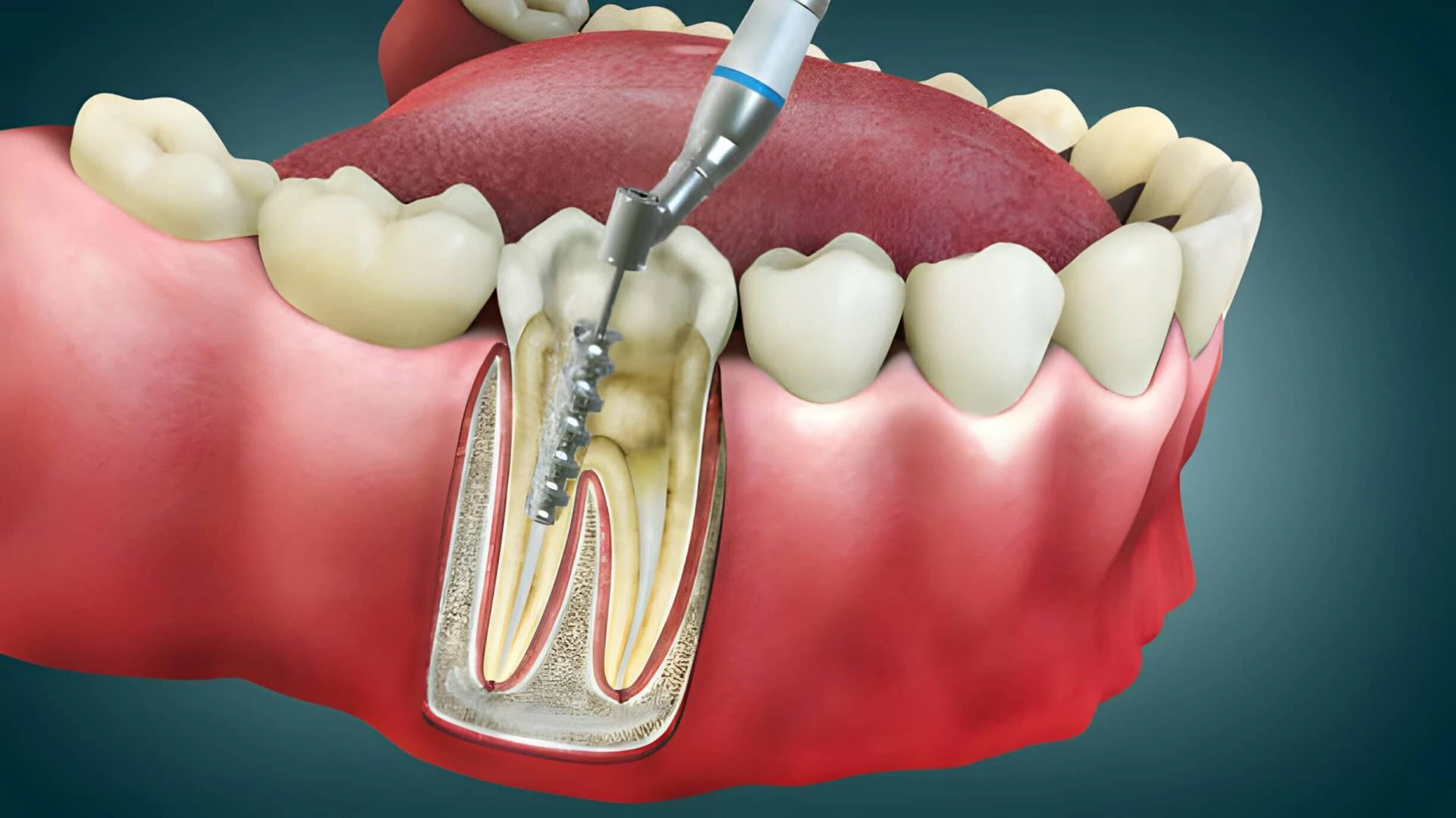
A root canal is a dental procedure used to treat a tooth that is severely damaged or infected. The inner part of your tooth, called the pulp, contains nerves and blood vessels. When the pulp becomes infected, it can cause severe pain and may lead to tooth loss if not treated. A root canal removes the infected pulp, cleans the inside of the tooth, and then seals it to prevent further infection.
Many people associate root canals with pain, but modern dental techniques make the procedure much more comfortable than in the past. A root canal is a safe and effective way to save a tooth that would otherwise need to be extracted.
Why Do You Need a Root Canal?
There are several reasons why a dentist may recommend a root canal. Common signs that you might need one include:
- Severe tooth pain: Especially when chewing or applying pressure.
- Swelling and tenderness: In the gums around the affected tooth.
- Discoloration: The tooth may turn dark due to damage to the pulp.
- Persistent pimple on the gums: This can be an indication of infection.
If you notice any of these symptoms, it’s important to see a dentist as soon as possible to prevent the infection from spreading. By getting a root canal in time, you can save the tooth and avoid more serious dental problems.
The Process of Getting a Root Canal
The root canal procedure typically involves the following steps:
- Examination and X-Rays: Your dentist will examine your tooth and take X-rays to determine the extent of the damage.
- Anesthesia: To ensure you’re comfortable, the dentist will numb the area around the affected tooth with a local anesthetic.
- Removing the Pulp: The dentist will remove the infected pulp from the inside of the tooth.
- Cleaning and Shaping: The inner part of the tooth is cleaned and shaped to prepare for the filling.
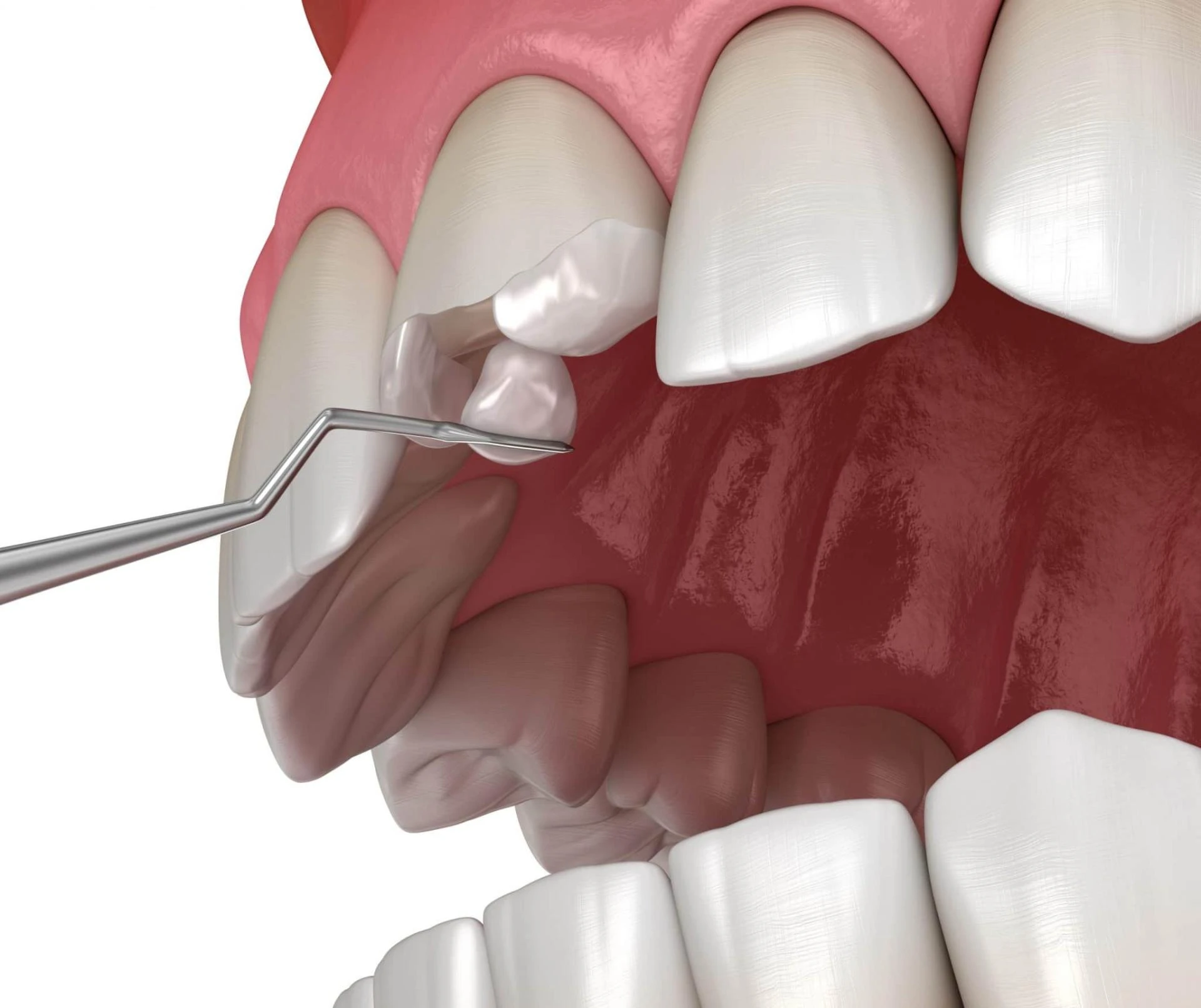
- Filling: Once cleaned, the tooth is filled with a rubber-like material to seal it.
- Sealing: The dentist will place a temporary filling to protect the tooth until the final crown is placed.
After the procedure, you may experience some mild discomfort, but it should subside within a few days. Following your root canal, your dentist will recommend placing a crown to protect and restore the tooth.
What is a Dental Crown?
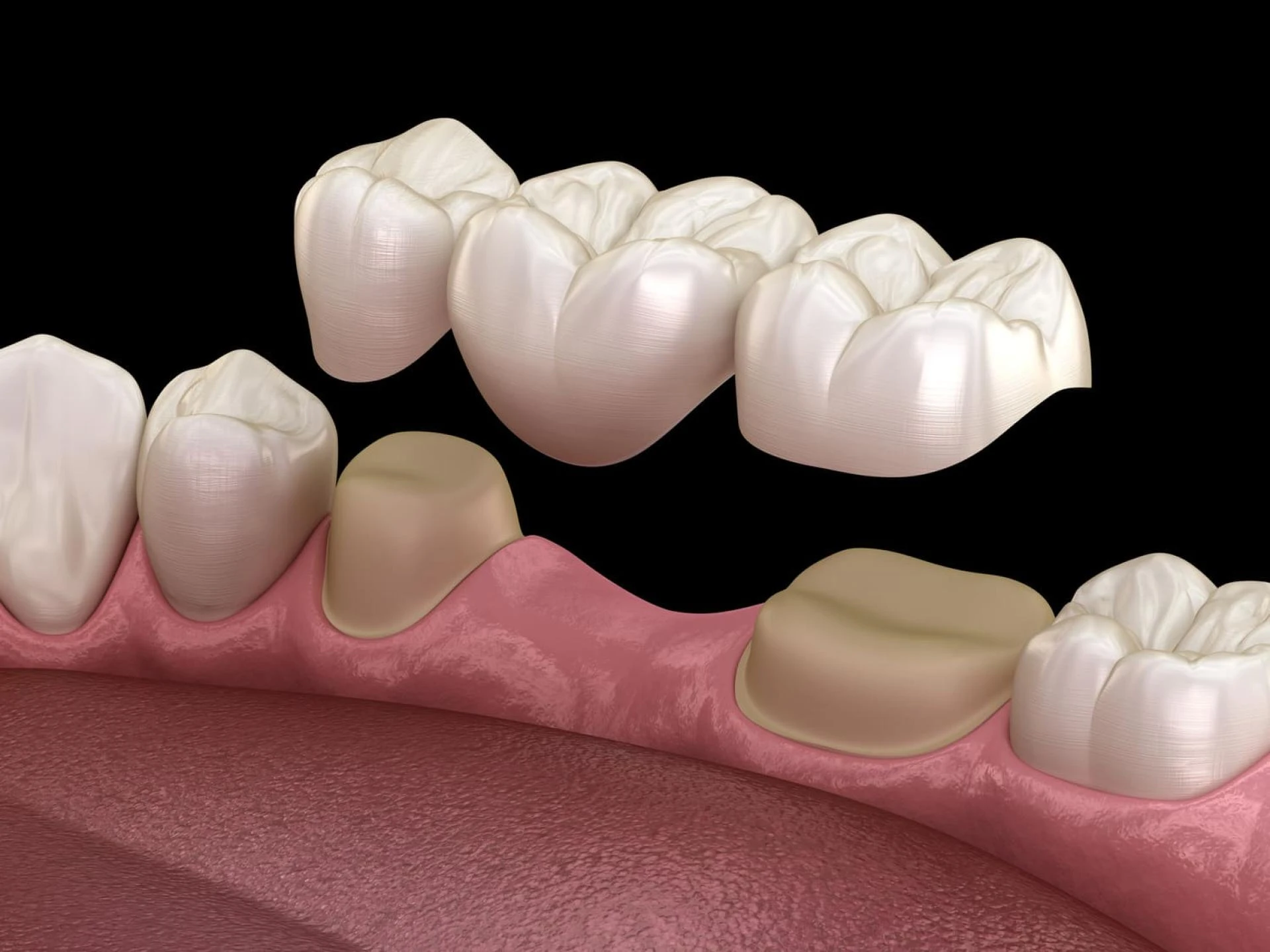
A dental crown is a cap that is placed over a damaged tooth to restore its shape, size, and strength. After a root canal, a crown is necessary to protect the tooth from further damage. A crown helps restore the tooth’s appearance and function, ensuring that it can withstand normal wear and tear.
Crowns are made from various materials, including porcelain, metal, or a combination of both. Your dentist will work with you to determine the best material based on the location of the tooth, your personal preferences, and the level of strength required.
Why You Need a Crown After a Root Canal?
Once a root canal is completed, the tooth may become brittle and weak. This makes it more susceptible to breaking or fracturing. A crown acts as a protective barrier, helping to strengthen the tooth and prevent it from damage. The crown also restores the tooth’s appearance, so you can smile with confidence.
The process of getting a crown typically involves two visits:
- First Visit: The dentist will shape the tooth, take impressions, and place a temporary crown while the permanent crown is being made.
- Second Visit: Once the permanent crown is ready, the dentist will remove the temporary one and bond the permanent crown in place.
A well-fitted crown can last many years with proper care and can restore the tooth’s functionality so that you can chew, speak, and smile without any discomfort.
Restorative Dentistry in Nampa, ID: Your Path to a Healthy Smile
If you’re facing issues with damaged or infected teeth, restorative dentistry can provide a wide range of treatments to restore your oral health. Restorative dentistry focuses on repairing or replacing damaged teeth and improving the overall function and appearance of your smile.
In addition to root canals and crowns, restorative dentistry may include procedures such as fillings, bridges, and dentures. These treatments can help restore teeth that are damaged by decay, trauma, or wear and tear.
One of the most significant advantages of restorative dentistry is that it helps preserve your natural teeth whenever possible. With treatments like root canals and crowns, you can often avoid tooth extraction and keep your smile intact.
Conclusion:
When you experience severe tooth pain or damage, it’s essential to act quickly to prevent further problems. A root canal and crown in Nampa, Idaho, is a great solution for saving a tooth and restoring its function. With the help of restorative dentistry in Nampa, ID, you can restore both the health and appearance of your smile. Don’t wait until the damage worsens. Reach out to your local dentist today to discuss your options for root canals, crowns, and other restorative treatments. Taking care of your dental health now can lead to a lifetime of healthy, strong teeth.




























Sign in to leave a comment.