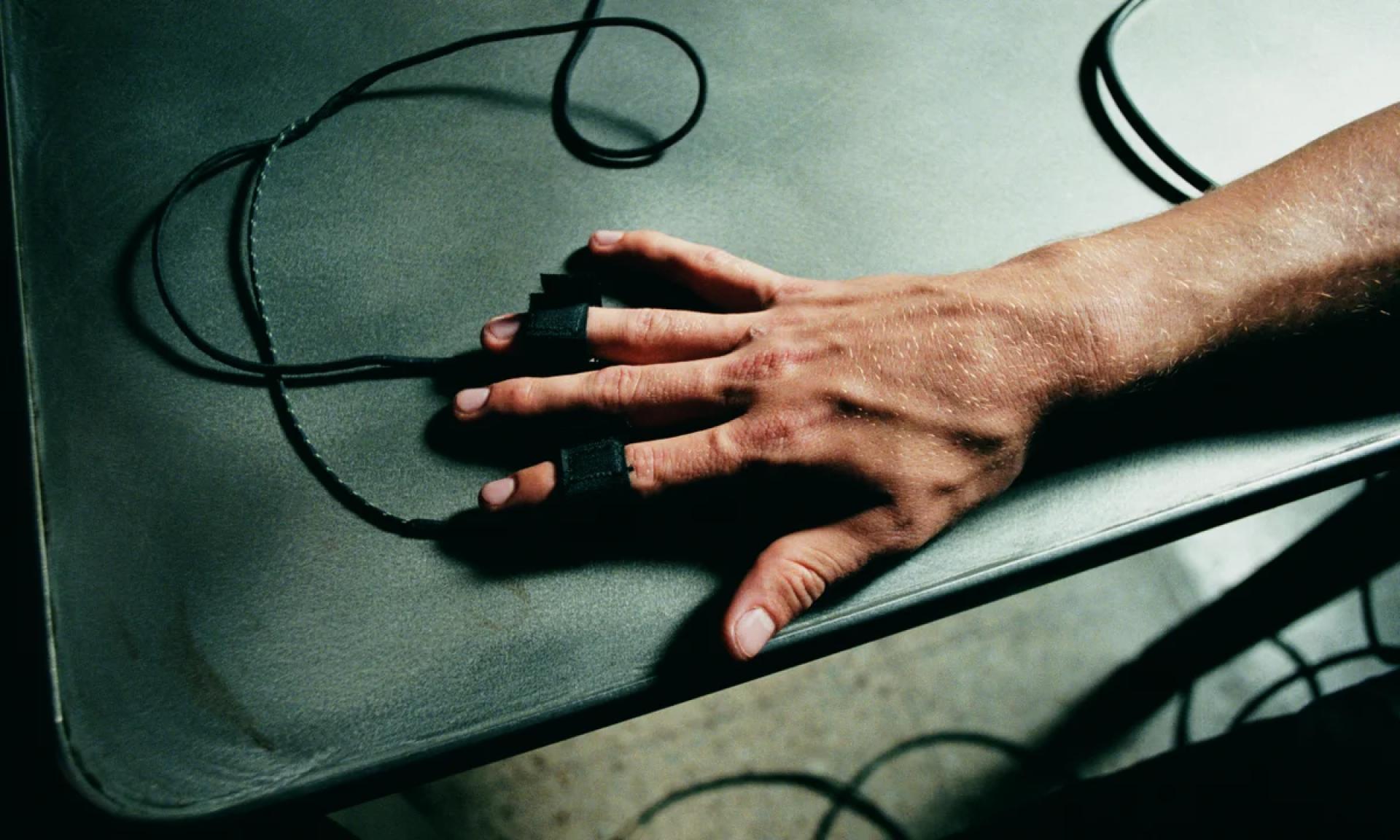

In a world where truth and deception often collide, the latest lie detection technology has emerged as a revolutionary force in uncovering the facts. Modern advancements in this field have surpassed traditional methods, offering higher accuracy, faster analysis, and more reliable results. Whether for legal investigations, corporate screenings, or personal disputes, these technologies empower professionals to identify deception with scientific precision.
The Evolution of Lie Detection
For decades, the polygraph test—which measures physiological responses like heart rate, blood pressure, and respiration—was the standard tool for detecting lies. While effective, polygraphs relied heavily on human interpretation, leaving some room for error.
Today, the latest lie detection technology combines artificial intelligence, voice stress analysis, and advanced biometric sensors to enhance accuracy. These new tools analyze subtle indicators of stress, micro-expressions, and vocal changes that are nearly impossible for humans to detect manually.
This evolution reflects the fusion of neuroscience, psychology, and digital innovation—creating systems that don’t just record responses but interpret emotional and cognitive cues in real time.
Modern Techniques Behind the Latest Lie Detection Technology
- Voice Stress Analysis (VSA):
- VSA detects variations in vocal patterns that occur when a person is under stress or attempting deception. Unlike traditional polygraphs, it doesn’t require physical sensors, making it non-invasive and easy to administer.
- AI-Based Deception Detection:
- Artificial intelligence has transformed lie detection by analyzing data from facial movements, tone fluctuations, and even linguistic patterns. These AI systems learn from thousands of verified cases to improve their accuracy continuously.
- Functional MRI (fMRI):
- fMRI scans measure brain activity in real-time. When individuals lie, specific areas of the brain light up differently than when they tell the truth. Although costly and complex, fMRI is among the most scientifically advanced methods in detecting deception.
- Eye-Tracking Technology:
- Studies show that eye movement patterns and pupil dilation can indicate cognitive stress. Eye-tracking tools measure these micro-responses to assess truthfulness during interviews or interrogations.
- Computerized Polygraph Systems:
- The modern polygraph has gone digital. New software enhances data interpretation, reducing human bias and improving the reliability of test results.
Benefits of the Latest Lie Detection Technology
- Enhanced Accuracy:
- Modern tools integrate multiple physiological and behavioral indicators, reducing false positives.
- Faster Results:
- Digital systems process and analyze data in real time, enabling quicker conclusions.
- Non-Invasive Testing:
- Techniques like VSA and AI analysis require no physical sensors, ensuring comfort and ease for the examinee.
- Wider Applications:
- From pre-employment screening to criminal investigations, these technologies can be applied across diverse sectors.
- Court-Admissible Reports:
- Many advanced systems, when administered by certified examiners, produce results accepted by legal authorities.
Applications Across Different Fields
- Law Enforcement:
- Police agencies use lie detection tools during criminal investigations to verify witness statements and identify suspects.
- Corporate Sector:
- Companies employ these technologies to screen candidates, investigate internal theft, and maintain workplace integrity.
- Legal Cases:
- Attorneys and investigators rely on scientifically validated lie detection tests to support or refute testimonies.
- Personal Disputes:
- Individuals use lie detection for relationship issues, family matters, or to resolve conflicts based on truth and transparency.
Ethical and Legal Considerations
While the latest lie detection technology offers unmatched benefits, ethical use remains essential. Consent, confidentiality, and accuracy are paramount. Reputable professionals ensure that every test is conducted under strict legal and ethical standards to protect individual rights.
Furthermore, only certified and experienced examiners should administer these tests to ensure results are valid and defensible in court or professional settings.
The Future of Lie Detection
The future of lie detection lies in continued integration with artificial intelligence and machine learning. As algorithms become more sophisticated, they’ll be able to detect deception with even greater precision. Mobile and remote testing may soon become standard, allowing real-time truth verification in virtual interviews and digital investigations.
Moreover, as society increasingly values transparency, the demand for advanced and reliable truth-verification methods will continue to grow.
Conclusion
The latest lie detection technology represents a major leap in truth verification. Combining psychology, neuroscience, and cutting-edge technology, these modern systems ensure accuracy, speed, and reliability across every sector. Whether in law enforcement, corporate compliance, or personal truth-seeking, these tools bring clarity where doubt once prevailed.
For those seeking certified, confidential, and court-admissible lie detection services, California Lie Detector stands at the forefront of innovation—helping clients uncover the truth with science-backed precision and integrity.
Frequently Asked Questions (FAQ)
1. What is the most accurate lie detection technology today?
The most accurate systems combine polygraph testing, voice stress analysis, and AI-based interpretation to provide comprehensive and scientifically supported results.
2. How does voice stress analysis work?
Voice stress analysis measures micro-tremors in the voice that occur when a person experiences psychological stress while lying.
3. Are the results from the latest lie detection technology admissible in court?
Yes. When administered by certified professionals, such as those at California Lie Detector, results can be used in legal proceedings.
4. Is modern lie detection non-invasive?
Absolutely. Many of today’s tools, like voice stress and AI-based systems, require no sensors or wires—offering comfort and convenience.
5. How reliable are modern lie detection methods?
With technological advancements and expert administration, modern methods deliver accuracy rates significantly higher than traditional approaches.


























Sign in to leave a comment.