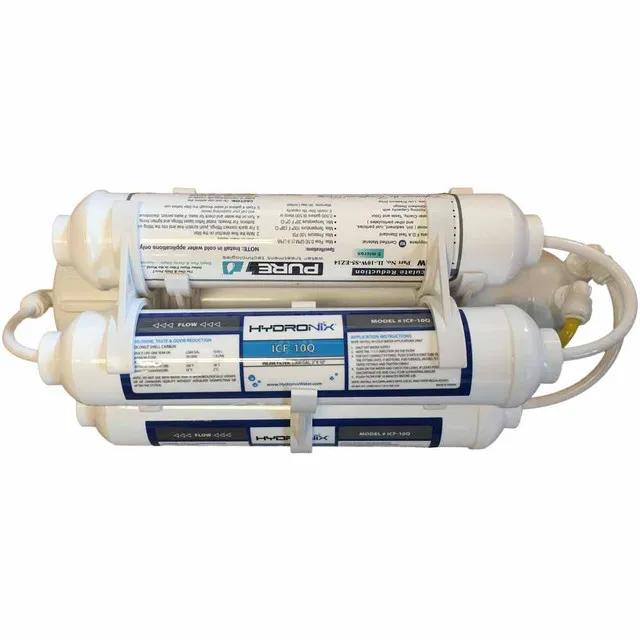
The quality of the water under the control of commercial and industrial activities is a critical factor in their success. Clean and purified water is a crucial need for every restaurant, healthcare institution, manufacturing plant, hotel or food processing factory for product quality, equipment protection, and regulatory compliance. The Reverse Osmosis (RO) Commercial System is one of the most efficient water purification systems on the market, and can remove up to 99% of dissolved contaminants from water.
This guide will explain how commercial reverse osmosis systems work, the benefits, applications, and selecting the right commercial RO system for your business needs.
What Is a Reverse Osmosis Commercial System?
Commercial reverse osmosis system is a water treatment system which is able to treat water with a higher capacity that is used to purify water from dissolved salts and minerals, chemicals, bacteria, heavy metals and other impurities. Commercial water purifiers are designed to generate a significant amount of purified water over a long duration, which makes them suitable for commercial establishments where the water requirement is quite high every day. These systems work under pressure to push the water across a semi-permeable membrane that keeps contaminants out of the clean water. The purified water is gathered for use and the contaminants rejected are flushed out.
How does a commercial RO system operate?
Commercial reverse osmosis systems use a variety of stages of filtration:
1. Pre-Filtration
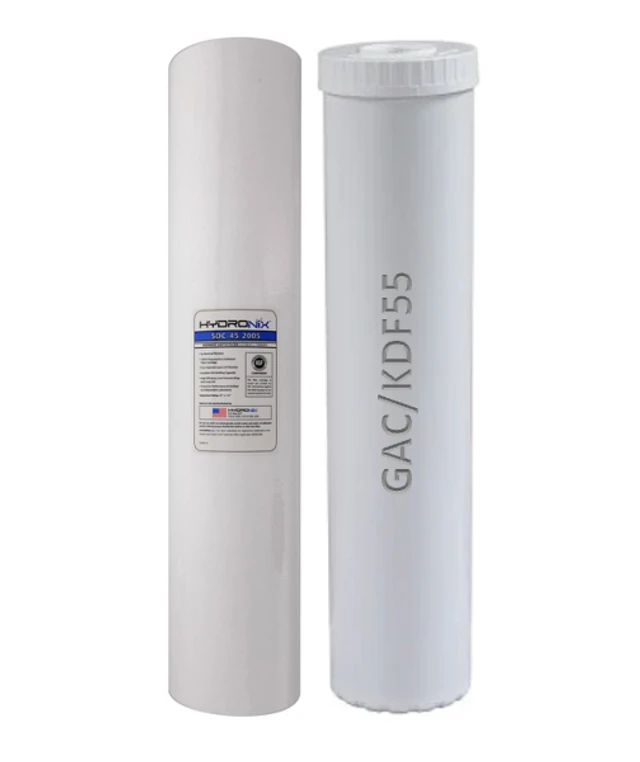
Water flows from the ground through a series of sediment filters which remove dirt, sand, rust and suspended particles.
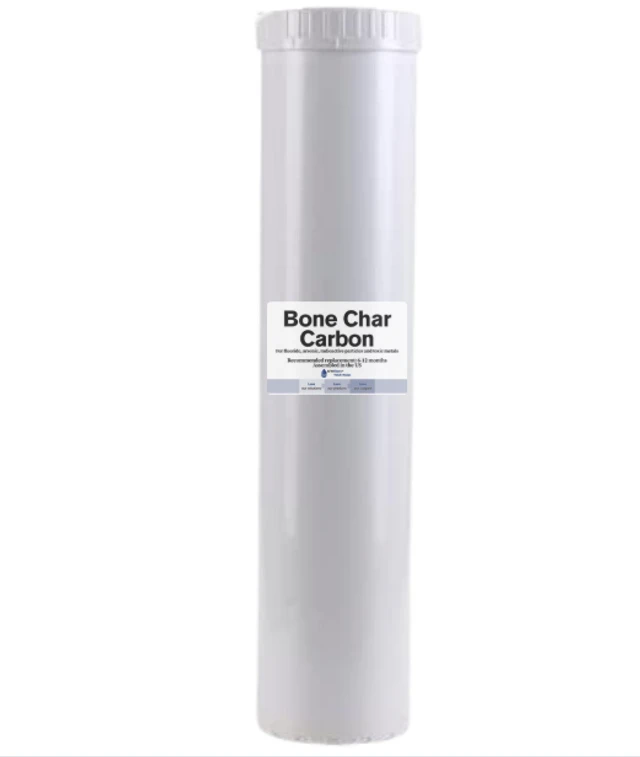
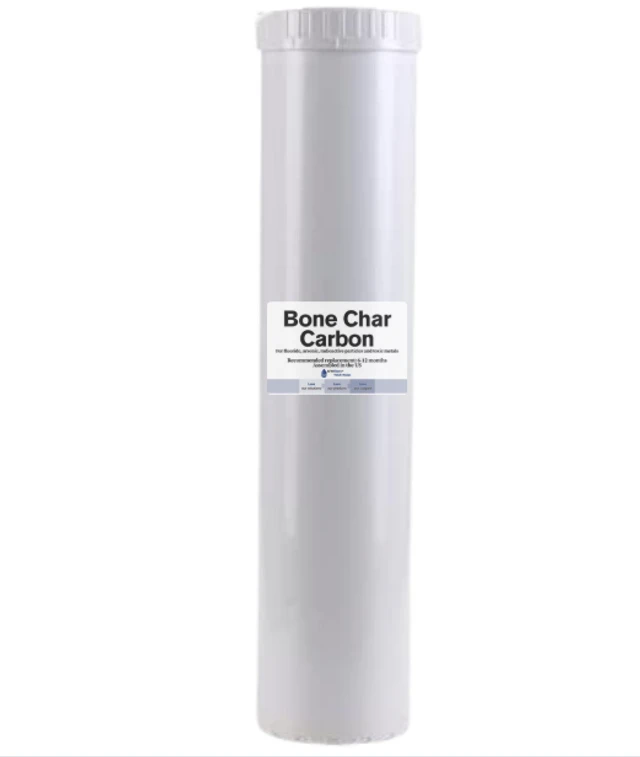
2. Carbon Filtration Activated carbon filters can help to remove chlorine and organic compounds and chemicals that may harm the RO membrane.
3. Reverse Osmosis Membrane
The core of the system is the RO membrane that filters dissolved solids, salts, heavy metals, bacteria, viruses, nitrates and many other contaminants.
4. Post-Treatment
Purified water can be treated with UV treatment, deionized, remineralized or polished filtered before being stored or distributed for use in the application.
Key benefits of commercial RO system.
Exceptional Water Quality
Commercial RO systems provide consistently high purity water, since these systems can remove contaminants that are not removed by normal water filtration systems.
Protects Expensive Equipment
The minerals from hard water form deposits in boilers, steam generators, coffee makers, ice makers, cooling towers and manufacturing machinery. RO systems help lower the scaling and prolong the lifespan of the equipment.
Lower Operating Costs
The improved water quality means lower maintenance costs, fewer equipment downtimes and lower repair costs over time.
Improved Product Quality
Purified water is essential for processes such as food production, beverage manufacturing, pharmaceuticals and laboratories, where it is used for maintaining product consistency and quality.
Regulatory Compliance
There are certain water quality criteria that are mandated for many industries. Businesses that need to meet health, safety and environmental regulations can do so with the help of commercial RO systems.
Environmentally Friendly
It is also better than bottled water because it minimizes plastic waste and it is a sustainable source of clean water.
Commercial reverse osmosis systems can be used in a number of industries.
The commercial RO technology is highly employed on many industries such as:
Business kitchens and restaurants Hospitals and Hotel facilities In hospitals and healthcare centres. In hospitals and healthcare centers. Food and drink production Breweries and distilleries Pharmaceutical production Laboratories and research laboratories Schools and universities Car washes Manufacturing plants Agriculture and hydroponics Bottled water production Common Contaminants Removed
A commercial reverse osmosis system will remove:
The amount of dissolved solids (TDS) Sodium Calcium Magnesium Chlorides Sulfates Lead Arsenic Fluoride Nitrates Heavy metals Pesticides Organic chemicals Microorganisms
There are many bacteria and viruses that cause colds and flu. Water quality, membrane type and system design will influence the actual removal efficiency. Selecting the appropriate commercial RO system is crucial. It is vital to select the right commercial RO system.
When choosing a reverse osmosis commercial system, here are some of the factors to take into account:
Daily Water Demand
Select a system that can provide the necessary amount of gallons or liters per day and still provide enough growth space.
Feed Water Quality
You can perform incoming water testing to identify what you need to do for pre-treatment and the membrane configuration you will need.
Recovery Rate
Increased recovery minimizes wastewater, and increases purified water production.
Storage Capacity
Ensure adequate storage tanks are available to handle peak water demand.
Automation Features
Today's systems are controlled by touch screens, feature self-flushing, remote monitoring capabilities and performance alerts to simplify maintenance.
Maintenance Requirements
Choose a system that has readily available filters and membranes for easy long-term maintenance.
Maintenance Tips
Routine maintenance is provided for the system to ensure optimum performance and system life.
Best practices include:
Change sediment filters regularly. Replace carbon filters as per the manufacturer's suggestions. Monitor membrane performance. Clean the system regularly. Check operating pressure. Examine pumps and valves. Monitor TDS levels. Have annual professional service. Maintenance will help to keep water quality at a desirable level and operating costs down.
The Reasons for Investing in a Commercial Reverse Osmosis System?
But, a commercial reverse osmosis system isn't simply a water filter—it's an investment in efficiency, equipment protection, product quality, and customer satisfaction. Companies that rely on clean water reap the rewards of reduced maintenance costs, lower equipment failures, operational reliability, and uniform water quality each day. From restaurant and manufacturing concerns to healthcare institutions and hospitality businesses, the proper RO system can enhance the general performance and cut down on long-time cost savings.
Conclusion
With commercial water quality standards constantly increasing, many industries have invested in a high capacity RO system. These systems guarantee a reliable purification process, safeguard high-value production equipment, enhance product quality and ensure compliance with regulations. For an effective and reliable purified water supply, a business RO system is an efficient, economical and scalable solution which will keep delivering value year after year.

























Sign in to leave a comment.