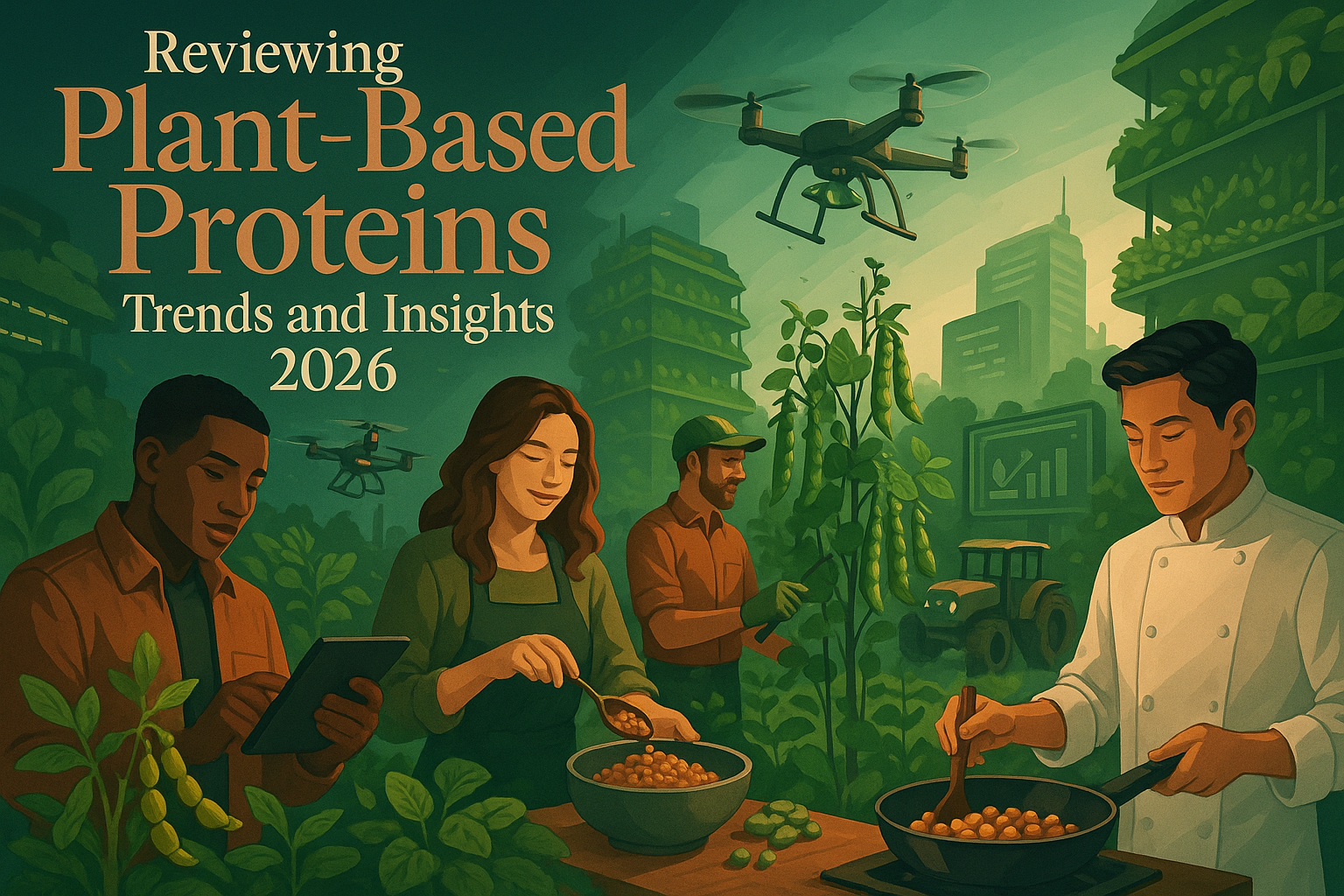

In 2026, the global plant-based protein market has reached a staggering valuation of $15.6 billion, illustrating a remarkable 20% compound annual growth rate over the past five years. This surge is driven by shifting consumer preferences towards sustainable and health-conscious diets, a trend accelerated by recent climate-focused policies and heightened awareness of animal welfare issues. A recent report from Reuters highlighted that more than 60% of consumers globally are now integrating plant-based proteins into their diets, marking a significant cultural shift.
For those delving into the landscape of plant-based proteins, understanding the variety of options available, from soy and pea to emerging innovations like mycoprotein and algae-based proteins, is essential. As we explore the origins and evolution of these alternatives, we'll also dissect market dynamics, highlight recent developments, and offer expert insights into future trends. This comprehensive review not only caters to the curious consumer but also equips industry stakeholders with valuable knowledge.
Deep Background
The journey of plant-based proteins began in the early 20th century with the development of soy-based products. This was further propelled by the founding of the Seventh-day Adventist Church’s health reform movement, which advocated for vegetarianism. Fast forward to the late 20th century, and brands like Tofurky and Boca Burger began to gain traction, offering plant-based alternatives to traditional meat products. The real breakthrough, however, came in 2011 with the founding of Beyond Meat by Ethan Brown, which revolutionized the industry with its mission to create plant-based proteins indistinguishable from animal meat.
"The innovation in plant-based proteins is not just about replicating meat but transforming the way we think about food," said Ethan Brown, CEO of Beyond Meat.
Few may know that the first commercially successful plant-based burger was introduced in Europe in 1985 by Quorn, which utilized mycoprotein. This fungal-based protein set a precedent for the diverse range of sources that can be harnessed for protein production. For those interested in the intersection of food innovation and sustainability, the history of plant-based proteins offers a rich tapestry of cultural and technological advancements.
Explore more on the evolving landscape of sustainable food choices at WriteUpCafe's Food Topic Page.
The Core Analysis
The plant-based protein sector is not only growing in size but also in complexity. As of 2026, it encompasses a range of products beyond traditional soy and wheat. Notable players in the market include Beyond Meat, Impossible Foods, and newcomer Nature's Fynd, which utilizes fungi-based proteins. According to a report by Forbes, the market share held by pea protein alone has increased by 35% since 2020, driven by its versatility and hypoallergenic properties.
Market Dynamics
Several factors contribute to the growth of plant-based proteins:
- Health Consciousness: Consumers are increasingly aware of the health benefits of reducing meat intake, such as lower cholesterol and reduced risk of heart disease.
- Sustainability: Plant-based proteins offer a lower environmental footprint, using up to 87% less water and emitting 90% fewer greenhouse gases than beef production.
- Technological Innovation: Advances in food technology have improved the taste and texture of plant-based products, making them more appealing to a broader audience.
In contrast to the 2010s, when plant-based products were niche, the 2020s have seen mainstream adoption, with even traditional meat companies like Tyson Foods investing in plant-based lines. While soy still dominates as the most widely used plant protein, emerging alternatives like algae and insect-based proteins are gaining attention for their rich nutritional profiles and sustainability.
For a deeper dive into the impact of technological advancements on food trends, visit TechCrunch.
Current Landscape & 2026 Developments
The past six months have seen significant developments in the plant-based protein sector. In a groundbreaking move, Beyond Meat announced a strategic partnership with McDonald's to introduce plant-based options in over 20,000 outlets worldwide. This collaboration marks a pivotal moment in mainstream acceptance, as fast-food giants recognize the demand for sustainable alternatives.
Innovations and Controversies
2026 has also been a year of innovation, with companies like Motif FoodWorks developing precision fermentation technologies to enhance the nutritional content and taste of plant-based proteins. However, controversies have arisen around labeling, with debates over whether these products should be called "meats." According to BBC, regulatory bodies are grappling with guidelines to ensure consumer clarity without stifling innovation.
Furthermore, the introduction of algae-based proteins by companies like Algama offers promising new avenues for nutrient-dense, sustainable food sources. This blue-green revolution could redefine plant-based nutrition, offering higher protein content and omega-3 fatty acids.
Expert Perspectives & Industry Impact
Industry experts are optimistic about the future of plant-based proteins. According to a recent analysis by the Good Food Institute, plant-based proteins could account for 10% of global protein consumption by 2030. This shift is expected to have far-reaching implications, not only for dietary habits but also for agricultural practices and environmental policies.
"The rise of plant-based proteins is not just a trend, it's a fundamental shift in how we approach food production," stated Bruce Friedrich, Executive Director of the Good Food Institute.
Economic impacts are significant, with the plant-based sector creating thousands of jobs in research, development, and production. Socially, the increasing acceptance of plant-based diets is contributing to a cultural shift towards more inclusive and diverse food choices.
For more on the intersection of food and cultural shifts, visit WriteUpCafe's Sustainability Topic Page.
What to Watch
As we look to the future, several key developments are worth monitoring. The ongoing advancements in cellular agriculture, which involve growing meat directly from animal cells, could complement plant-based proteins and further reduce reliance on traditional livestock farming. Regulatory developments will also play a crucial role, as clarity and consumer trust are essential for continued growth.
Opportunities abound for entrepreneurs and investors willing to innovate in this space. As consumer demand for transparency and ethical sourcing grows, companies that can deliver on these promises will likely gain a competitive edge. Risks include potential backlash from traditional meat industries and the challenge of maintaining product quality as production scales.
Ultimately, the plant-based protein sector is poised for continued expansion, driven by technological innovation and changing consumer values. As we navigate this evolving landscape, staying informed and adaptable will be key to harnessing the full potential of plant-based proteins.
For insights into upcoming breakthroughs in food technology, explore Wired.



































Sign in to leave a comment.