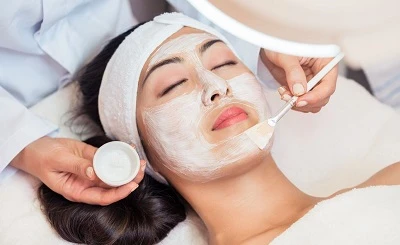

Best chemical peels in Abu Dhabi have become a go-to solution for individuals seeking to revitalize their skin and achieve a youthful glow. These treatments offer a non-invasive way to address various skin concerns, from dullness and uneven tone to fine lines and acne scars. With a plethora of options available, it\'s essential to discover the best chemical peels for your rejuvenation journey.
Understanding Chemical Peels
Chemical peels involve the application of a chemical solution to the skin, which exfoliates the outer layers and stimulates cell turnover. By removing dead skin cells and promoting the growth of new ones, chemical peels can improve skin texture, tone, and overall appearance. They are categorized based on their depth of penetration and the type of acid used, ranging from superficial to deep peels.
Benefits of Chemical Peels
- Exfoliation: Chemical peels effectively remove dead skin cells, revealing fresher, more radiant skin underneath.
- Collagen Stimulation: Certain peels stimulate collagen production, improving skin firmness and elasticity.
- Improvement of Skin Concerns: Chemical peels can address a variety of skin concerns, including acne, hyperpigmentation, fine lines, and wrinkles.
- Enhanced Absorption of Skincare Products: By removing the outer layer of skin, chemical peels can enhance the absorption of skincare products, maximizing their efficacy.
- Boosted Confidence: Achieving smoother, more youthful-looking skin can boost confidence and self-esteem.
The Best Chemical Peels for Rejuvenation
1. Glycolic Acid Peel
Derived from sugarcane, glycolic acid is an alpha hydroxy acid (AHA) known for its exfoliating properties. It penetrates deeply into the skin, removing dead cells and promoting collagen production. Glycolic acid peels are effective for improving skin texture, reducing hyperpigmentation, and diminishing acne scars.
2. Salicylic Acid Peel
Ideal for oily, acne-prone skin, salicylic acid peels penetrate the pores to unclog them and dissolve excess oil and debris. This beta hydroxy acid (BHA) is anti-inflammatory, making it effective in reducing acne breakouts and inflammation. Salicylic acid peels also help improve skin texture and tone.
3. Lactic Acid Peel
Lactic acid, derived from milk, is a gentle yet effective option for sensitive skin types. This AHA exfoliates the skin\'s surface, revealing smoother, brighter skin underneath. Lactic acid peels are suitable for addressing hyperpigmentation, dullness, and mild signs of aging.
4. Mandelic Acid Peel
Mandelic acid, derived from bitter almonds, is another gentle AHA suitable for sensitive skin. It exfoliates the skin and has antibacterial properties, making it effective for acne-prone skin. Mandelic acid peels can also improve skin texture and reduce the appearance of fine lines and wrinkles.
5. TCA Peel
Trichloroacetic acid (TCA) peels are medium to deep peels that penetrate the skin\'s middle layers. They are effective for treating more significant concerns such as sun damage, deep wrinkles, and uneven skin tone. TCA peels require more downtime than superficial peels but deliver dramatic results.
Conclusion
Chemical peels offer a versatile and effective solution for rejuvenating the skin and achieving a radiant complexion. By understanding the different types of peels and their benefits, you can select the best option for your skincare needs. Consult with a skincare professional to determine the most suitable peel for you and embark on your journey to revitalized skin.




























Sign in to leave a comment.