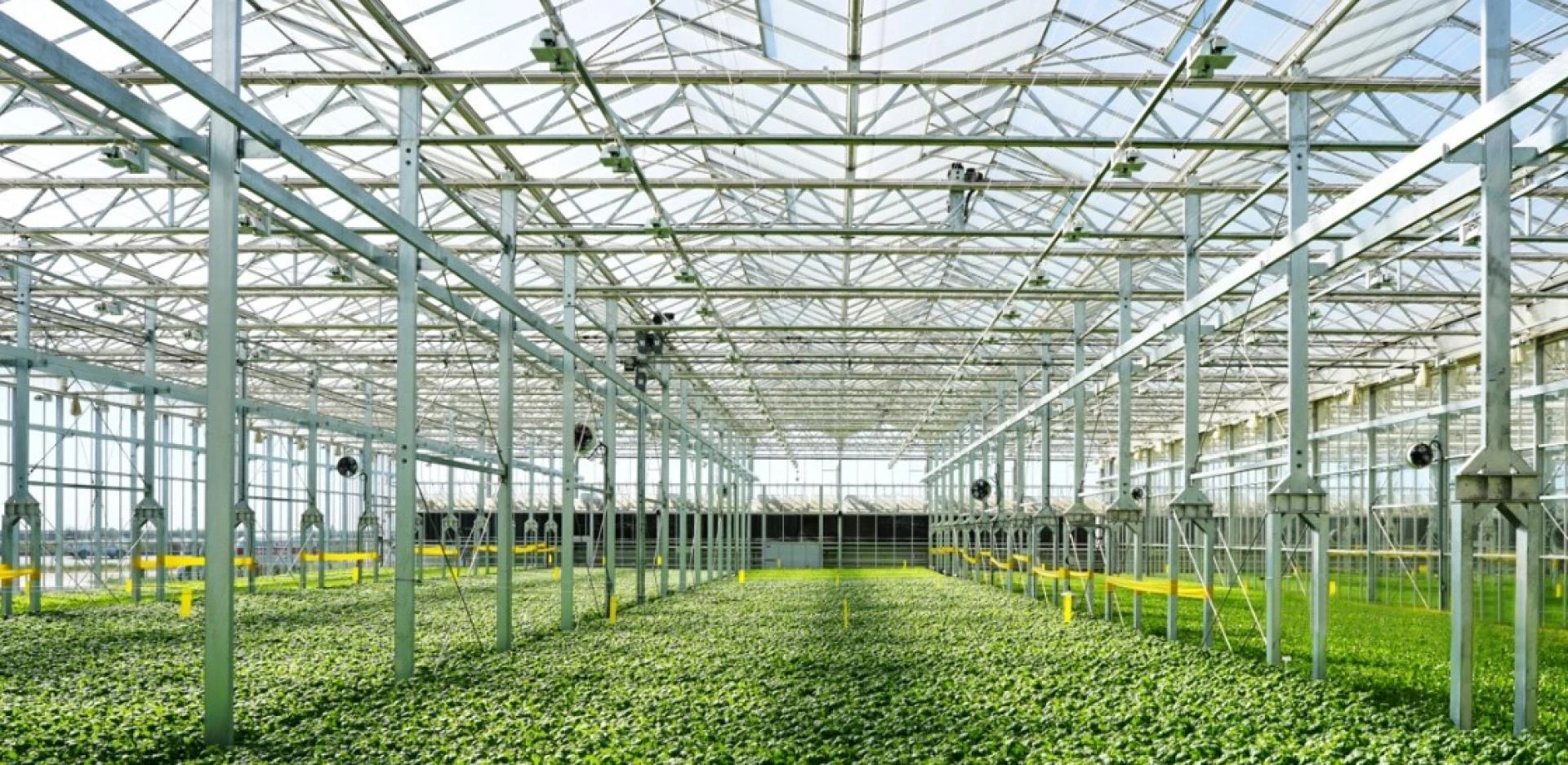

The global landscape of agriculture has undergone a remarkable shift in recent years, and one of the most significant revolutions has been in indoor farming. The indoor farming market has surged ahead as a pivotal solution to address the challenges posed by traditional farming methods. This innovative approach to cultivation is reshaping the way we produce food, offering numerous benefits and promising solutions to some of the most pressing issues facing the agricultural industry today.
Indoor farming involves the cultivation of crops within enclosed structures, using technology to control various environmental factors such as light, temperature, humidity, and nutrients. This method enables crops to be grown year-round, independent of seasonal changes, geographical limitations, or adverse weather conditions.
One of the primary driving factors behind the growth of the indoor farming market is its ability to maximize yield in limited spaces. By utilizing vertical stacking systems and hydroponic or aeroponic techniques, indoor farms can produce significantly higher yields per square foot compared to traditional outdoor farming. This efficiency in land usage is especially crucial as urbanization continues to reduce available farmland.
Moreover, indoor farming offers sustainability advantages. By employing advanced technologies like LED lighting and precise water and nutrient delivery systems, it consumes substantially less water and minimizes the use of pesticides and herbicides, leading to environmentally friendly cultivation practices. The controlled environment also reduces the risk of crop diseases and pests, thereby enhancing food safety.
The market for indoor farming is witnessing exponential growth, fueled by technological advancements and increasing investments in research and development. Technological innovations such as AI-powered monitoring systems, robotics for harvesting, and data-driven crop management are continually enhancing efficiency and productivity in indoor farming operations.
Furthermore, the growing demand for locally sourced, fresh produce is driving the expansion of indoor farming. Consumers are increasingly conscious of the origin and quality of their food, leading to a surge in the popularity of locally grown, pesticide-free vegetables and fruits, which indoor farming can readily provide.
The applications of indoor farming extend beyond vegetables and fruits; it encompasses a diverse range of produce, including herbs, microgreens, and even certain varieties of flowers. The flexibility of this farming method allows for the cultivation of a wide array of crops, catering to diverse market demands.
The adoption of indoor farming is not limited to developed nations; developing countries are also embracing this technology. It presents an opportunity to address food security challenges by enabling local production and reducing dependency on imports. Additionally, it offers employment opportunities and stimulates economic growth within communities.
The indoor farming market is poised for continued expansion and innovation. Its ability to overcome the limitations of traditional agriculture, optimize resources, and produce high-quality, sustainable food makes it a compelling solution for the future of farming. As technology continues to evolve and efficiencies increase, indoor farming is set to play an increasingly significant role in meeting the global demand for safe, nutritious, and locally sourced food.



























Sign in to leave a comment.