
Introduction
Precision and accuracy are critical in the building and architectural industries. Building Information Modeling (BIM) has emerged as a game changer, and 3D laser scanning plays an important part within this innovative technology.
Today, we'll look at how this advanced scanning approach relates to BIM, making building projects smarter, more efficient, and cost-effective.
Understanding BIM
Before we dive into the world of 3D laser scanning, let's grasp the basics of Building Information Modeling. BIM is like a digital twin of a building or infrastructure project. It is a 3D model that stores critical information about a structure, from its design through its operation and preservation.
Consider it a full digital blueprint that architects, engineers, and contractors use to plan, build, and maintain structures.
What is 3D Laser Scanning?
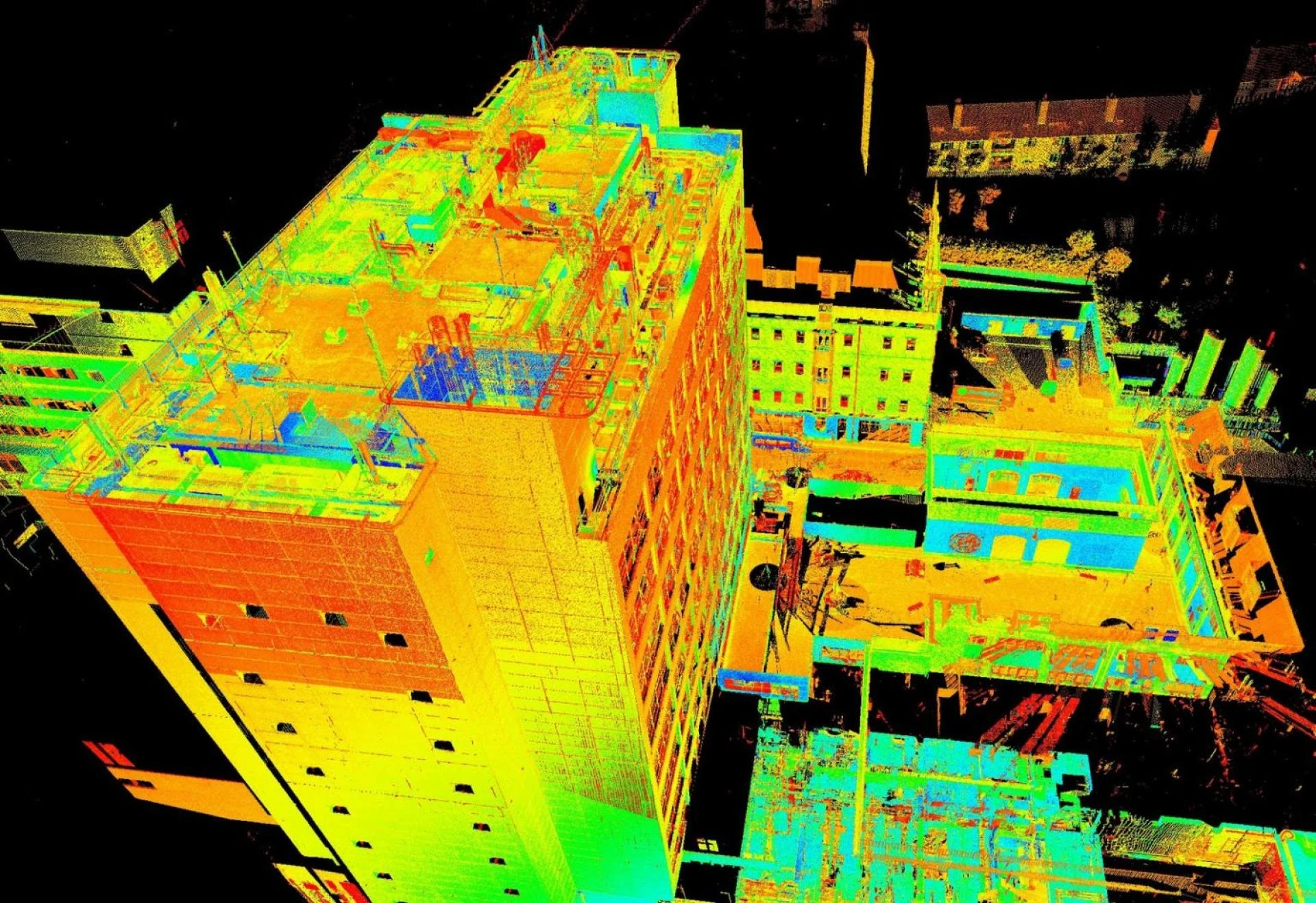
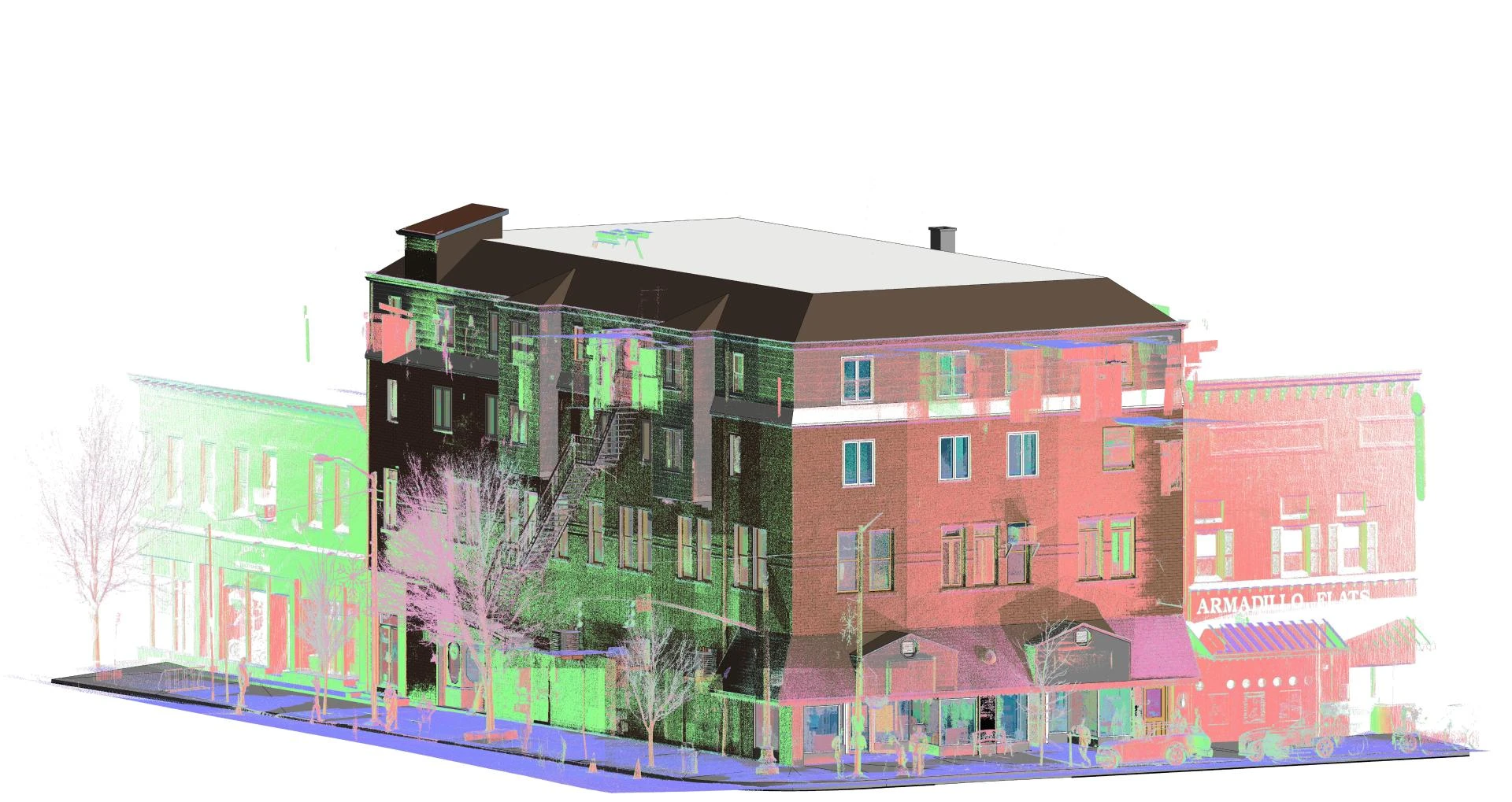
Let us now discuss 3D laser scanning. Consider a high-tech gadget that shoots laser beams in all directions and collects millions of data points every second. This equipment, which is normally installed on a tripod or truck, precisely examines its surroundings.
These data points are then combined to create a very realistic 3D picture of the surroundings.
How 3D laser scanning and BIM Work Together
So, how does 3D laser scanning fit into the world of BIM?
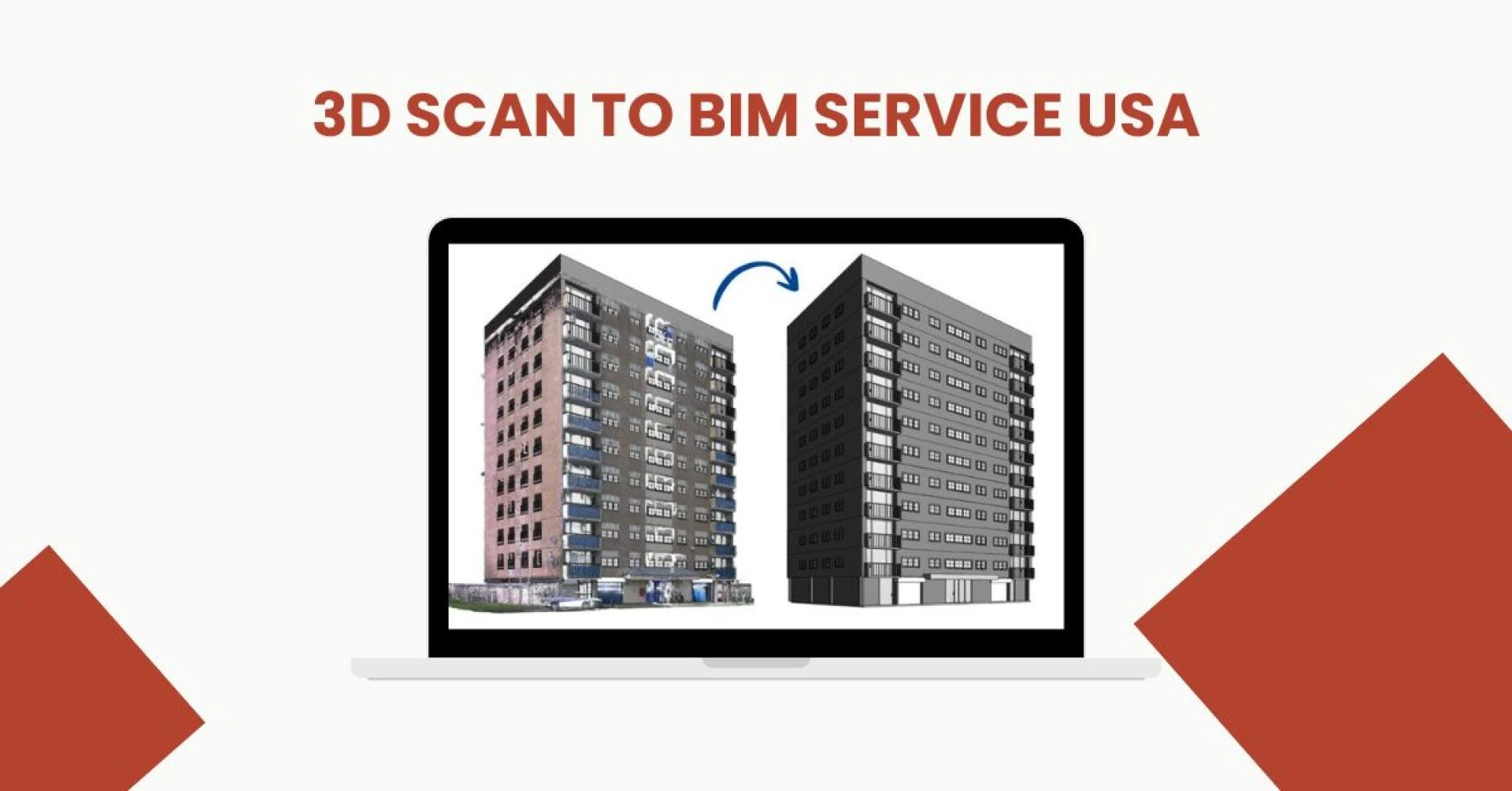
As-Built Models: 3D laser scanning is used to capture the real-world, as-built conditions of a construction site or an existing structure. This data is then integrated into the BIM model, ensuring that the design and the reality match. No more surprises during construction – everything is accounted for.Quality Control: Before any hammer swings, the laser scanner can detect discrepancies between the design and the as-built conditions. This allows for quick adjustments, reducing costly errors and delays.
Asset Management: The data from 3D laser scanning survey doesn't stop at construction. It continues to be valuable throughout the life cycle of a building. BIM, powered by 3D laser scanning, provides a dynamic database of a building's components, making maintenance and renovations much more efficient.
Safety and Planning: 3D laser scanning provides detailed information about the environment, which is crucial for safety and logistics planning. This helps avoid accidents and streamline the construction process.
Cost Savings: By reducing rework, errors, and optimizing maintenance, 3D laser scanning within BIM ultimately saves money and time in the long run.
Real-World Applications
Let's take a moment to appreciate the versatility of this technology:
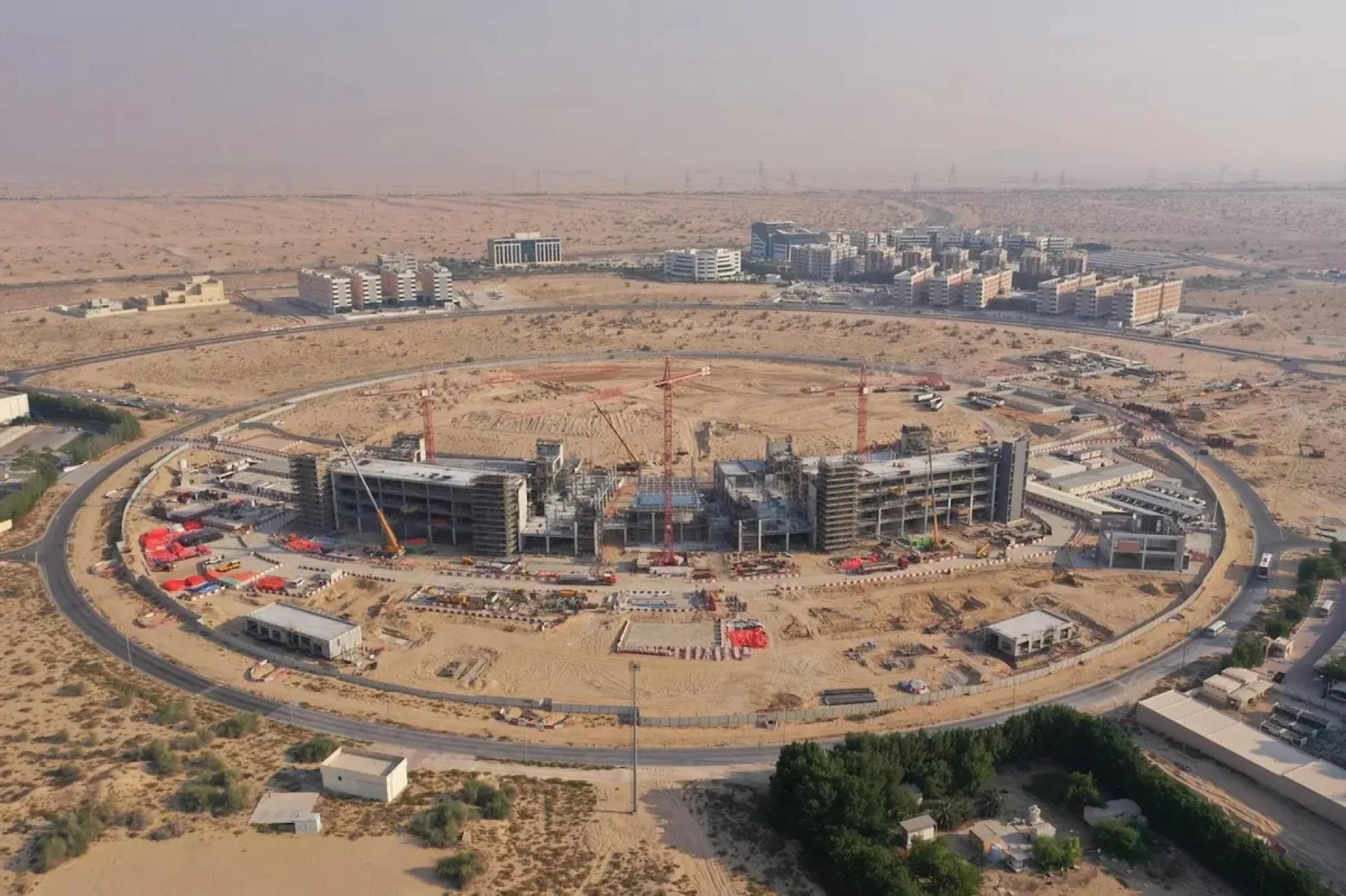
Construction: 3D laser scanning in BIM is used for large and small projects alike, from skyscrapers to historic renovations.Infrastructure: Bridges, roads, and tunnels benefit from 3D laser scanning, improving design accuracy and maintenance planning.
Heritage Preservation: When preserving historical sites or artifacts, 3D laser scanning ensures that every detail is documented, aiding in restoration efforts.
Conclusion
In the world of construction and architecture, precision is essential. 3D laser scanning brings that precision to Building Information Modeling, making construction projects smarter and more efficient. It's a powerful tool that saves time, money, and reduces errors, ultimately leading to better, more sustainable structures.
We should expect to see even more inventive applications that revolutionize the way we plan, construct, and manage the buildings of the future as BIM and 3D laser scanning continue to advance. It's a bright future where technology and skill come together to make construction better, safer, and more efficient.






Sign in to leave a comment.