
In an era where digital innovation transforms industries, the construction sector is experiencing a profound shift with the integration of digital twins. These virtual replicas of physical structures offer unprecedented opportunities to enhance efficiency, collaboration, and decision-making throughout the construction lifecycle. In this comprehensive blog, we will delve deeper into the multifaceted ways digital twins are reshaping the construction industry.
Enhanced Project Visualization:
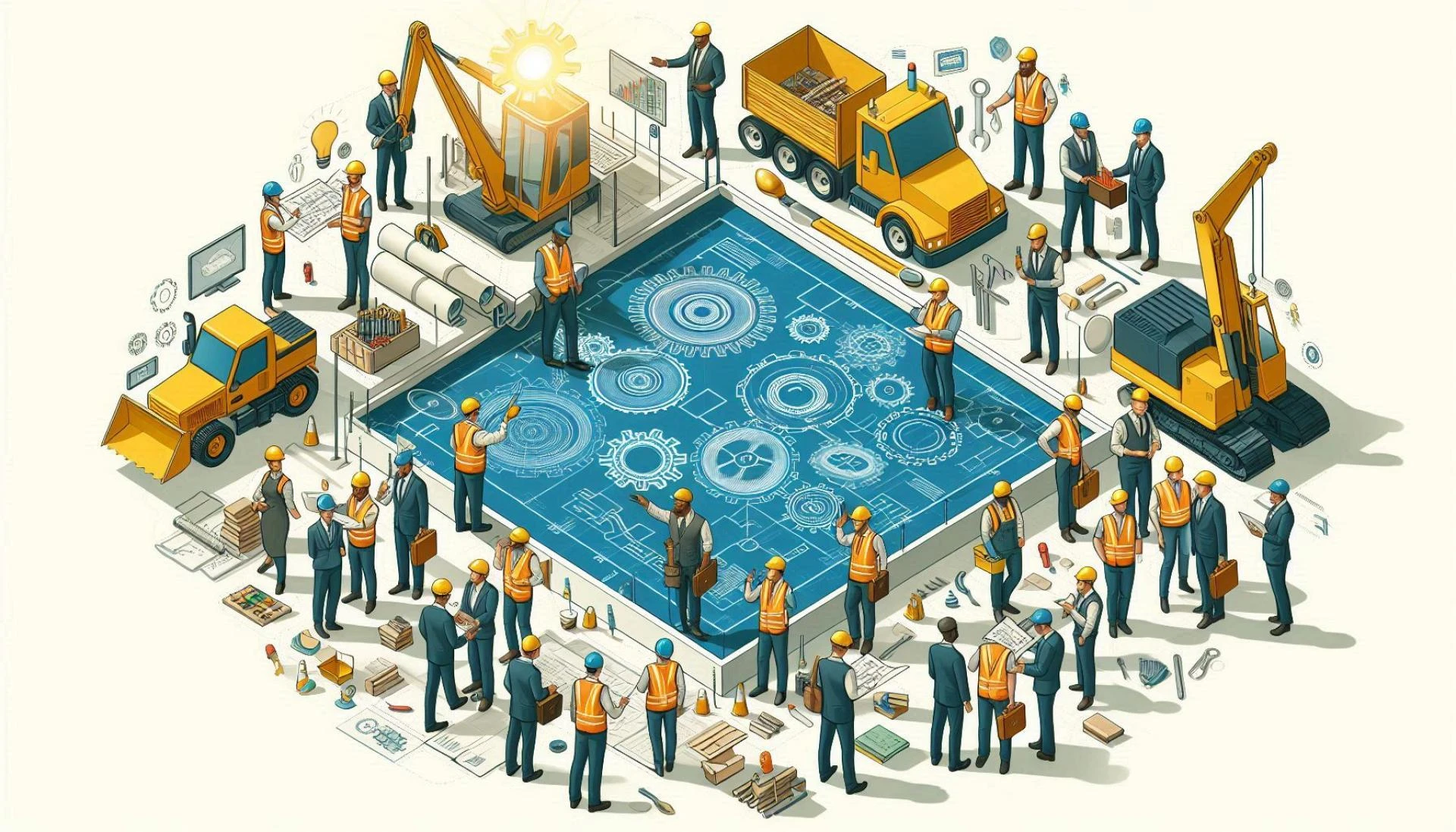
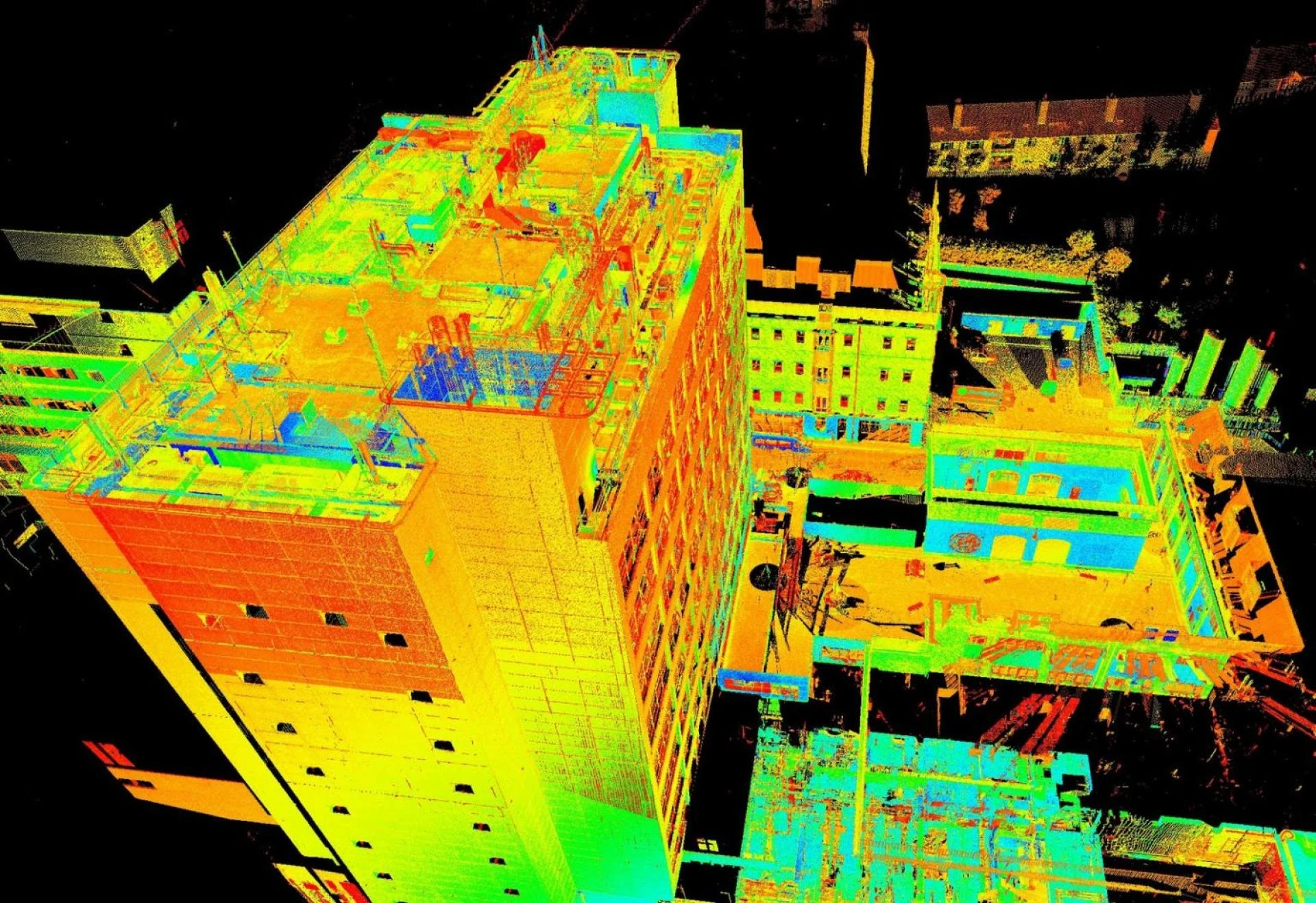
Digital twins empower stakeholders to move beyond traditional blueprints and conceptualize projects in a three-dimensional, virtual space. Advanced visualization tools allow architects and engineers to create highly detailed models, providing an immersive experience of the proposed structure. This not only aids in better understanding but also facilitates early detection of potential design flaws or clashes, minimizing rework during the construction phase.
Streamlined Planning and Design:
The use of digital twins in construction extends beyond visual appeal; it fundamentally transforms planning and design processes. By employing simulation and analysis tools, construction professionals can assess multiple scenarios, optimize construction sequences, and simulate the impact of various design choices. This level of precision ensures that projects are meticulously planned, resulting in streamlined construction processes, reduced delays, and cost-effective outcomes.
Real-time Monitoring and Data Analytics:
Digital twins bring a real-time dimension to construction project management. Through the integration of sensors and Internet of Things (IoT) devices within physical structures, real-time data is continuously fed into the digital twin. Project managers can monitor progress, resource utilization, and even worker safety in real-time. This wealth of data is then processed using analytics tools, providing insights that empower proactive decision-making and the identification of trends that can inform future projects.
Improved Collaboration and Communication:
One of the most significant advantages of digital twins is the enhancement of collaboration and communication among project stakeholders. With a shared digital twin platform, architects, engineers, contractors, and clients can collaborate seamlessly. This not only reduces the risk of miscommunication but also allows for real-time feedback and adjustments. The result is a more integrated and collaborative approach that ensures everyone involved is aligned with the project's goals and objectives.
Efficient Maintenance and Lifecycle Management:
Beyond construction completion, digital twins continue to deliver value during the operational phase. By incorporating maintenance data and IoT sensors into the digital twin, facility managers can monitor the health of the structure in real-time. Predictive maintenance capabilities enable the identification of potential issues before they become critical, ultimately extending the building's lifespan and optimizing ongoing operational costs.
Conclusion:
The integration of digital twins into construction practices signifies a paradigm shift towards a more sophisticated, data-driven, and collaborative industry. As construction professionals increasingly adopt and harness the capabilities of digital twins, we can anticipate a future where projects are not only constructed more efficiently but also operated and maintained with unprecedented precision. The digital twin revolution has begun, and its impact is poised to redefine construction practices, ushering in an era of innovation and sustainability in building the infrastructure of tomorrow.




Sign in to leave a comment.