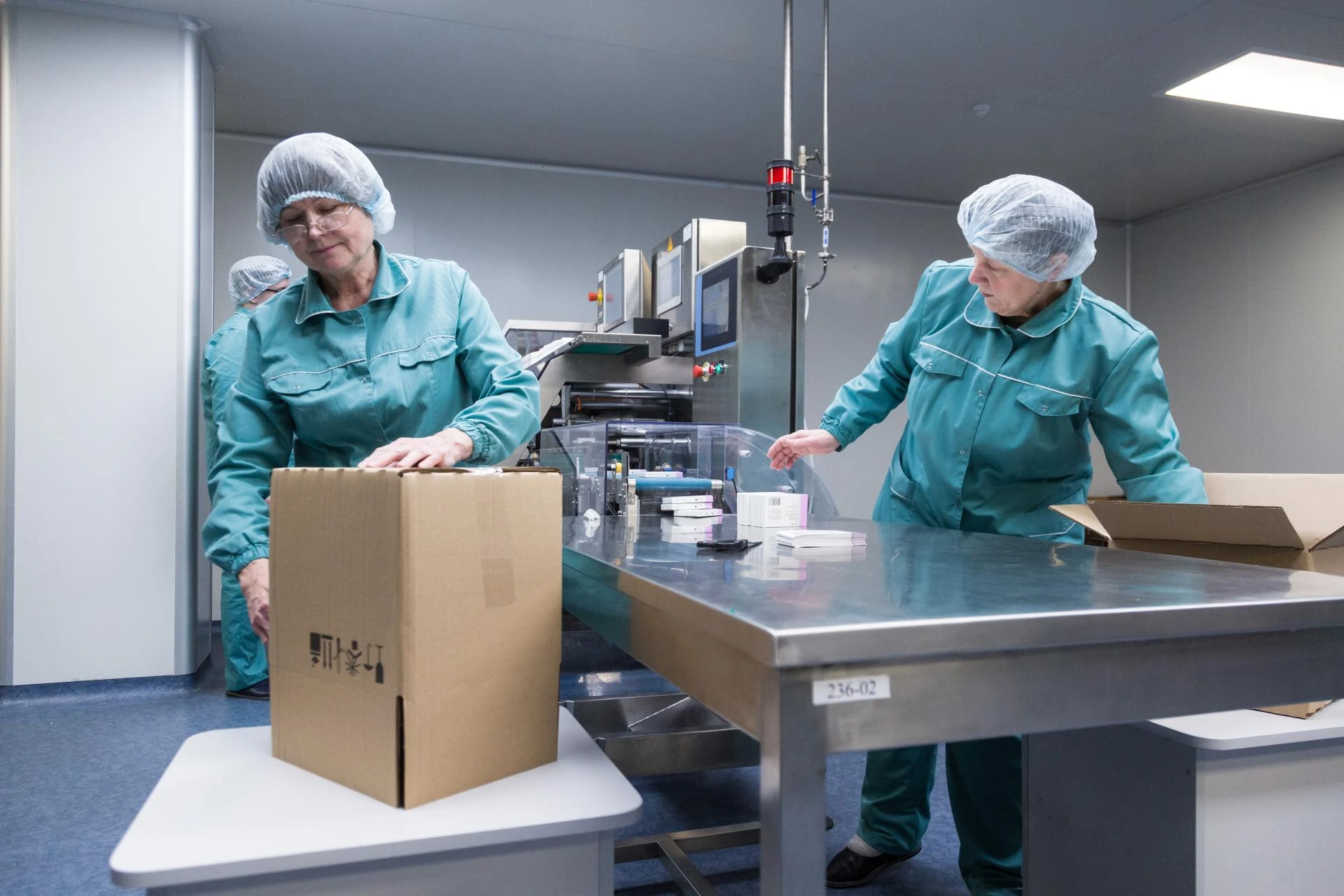

In today's rapidly advancing healthcare landscape, pharmaceutical manufacturing companies serve as crucial pillars in delivering essential medical treatments. These organizations span the spectrum from pioneering breakthrough medications to producing everyday health solutions, acting as a vital link between scientific discovery and patient treatment. What are the intricate details behind creating these essential medications, and how do they shape our well-being? Join us as we explore the compelling realm of pharmaceutical manufacturing and uncover the methodologies, obstacles, and advancements propelling this sector forward.
The Foundation of Contemporary Healthcare
Pharmaceutical manufacturing companies constitute the cornerstone of modern medical systems. Their influence extends across multiple domains, facilitating treatments for long-term conditions, sudden infections, and uncommon disorders. Through partnerships with scientists, medical professionals, and governing authorities, they maintain exceptional standards in product quality and safety.
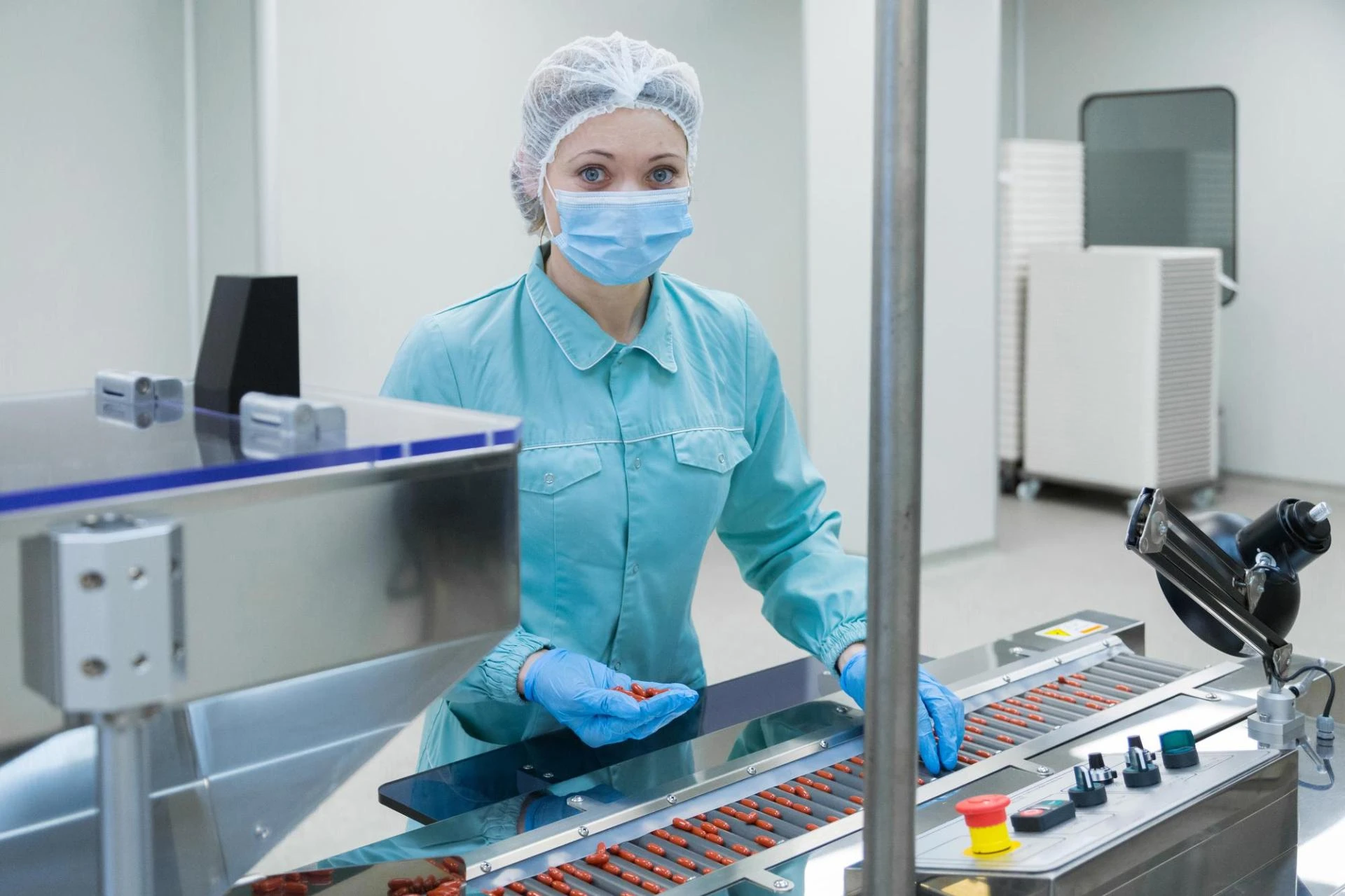
The Manufacturing Process: Where Science Meets Precision
The transformation from a scientific breakthrough to a finished medication in pharmacies involves a complex and controlled journey. Here are the essential stages:
- Research and Development (R&D): The journey initiates in research facilities where scientists discover potential medical compounds. This stage encompasses comprehensive testing to determine compound safety, effectiveness, and appropriate dosing.
- Clinical Trials: Promising candidates progress through multiple phases of clinical testing. These studies verify the medication's safety profile and effectiveness in human subjects.
- Regulatory Approval: Governing bodies, like the FDA or EMA, thoroughly examine trial results before authorizing public distribution.
- Mass Production: Production facilities manufacture medications at industrial scale using advanced technology and rigorous quality protocols to ensure uniformity and purity.
- Packaging and Distribution: The final products are packaged and transported to pharmacies, medical centers, and healthcare facilities globally.
Challenges in Medicine Manufacturing
While essential, the pharmaceutical manufacturing industry encounters various obstacles:
- Cost and Time: New drug development typically spans more than ten years and requires substantial financial investment. This impacts affordability for both manufacturers and consumers.
- Regulatory Compliance: Meeting evolving regulatory requirements demands continuous monitoring and adjustment.
- Supply Chain Management: Maintaining consistent raw material supply and coordinating global product distribution presents significant challenges.
- Counterfeit Medicines: Fighting fake medications remains a persistent challenge, threatening patient safety and company credibility.
Innovations Transforming the Industry
The medicine manufacturing company sector is incorporating advanced technologies to overcome challenges and enhance operational efficiency. Several notable innovations include:
- Artificial Intelligence (AI): AI technology is transforming the pharmaceutical landscape by expediting drug candidate identification and enhancing prediction accuracy compared to conventional approaches.
- Automation and Robotics: Advanced automated systems are revolutionizing production workflows, delivering unmatched precision while minimizing human intervention and associated errors.
- Personalized Medicine: Revolutionary developments in genomic science are paving the way for customized therapeutic solutions based on individual genetic compositions.
- Sustainable Practices: Manufacturing facilities are increasingly implementing environmentally conscious production methods to minimize their ecological impact.
The Future of Medicine Manufacturing
The trajectory of medicine manufacturing appears increasingly promising as technological capabilities expand. Revolutionary developments including pharmaceutical 3D printing, blockchain-enabled supply chain security, and sophisticated nanotechnology-based drug delivery mechanisms are poised to reshape industry standards. These groundbreaking advances promise to enhance healthcare accessibility, cost-effectiveness, and therapeutic outcomes.
Conclusion
pcd pharma franchise stand as pioneers in healthcare innovation, converting scientific discoveries into practical therapeutic solutions for global patient populations. Despite ongoing challenges, the industry's unwavering dedication to excellence, safety protocols, and innovative advancement ensures its position as a fundamental pillar of contemporary medicine. Moving forward, sustained collaboration between manufacturers, scientific researchers, and healthcare professionals will inevitably yield transformative breakthroughs, enhancing patient care and expanding the horizons of medical possibility.




























Sign in to leave a comment.